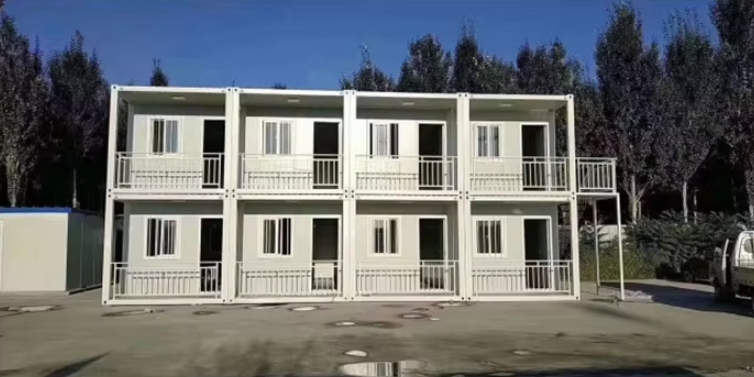
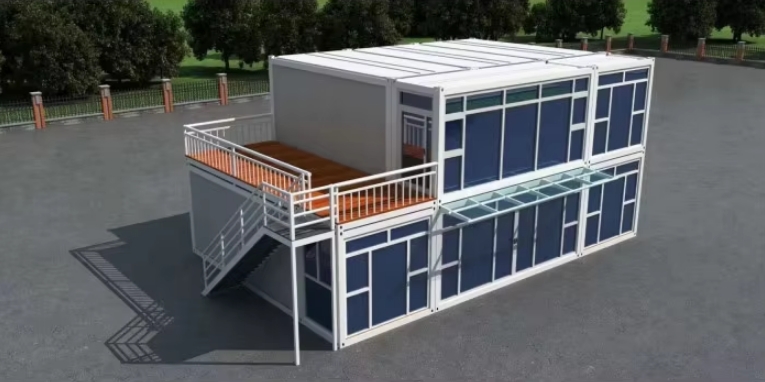
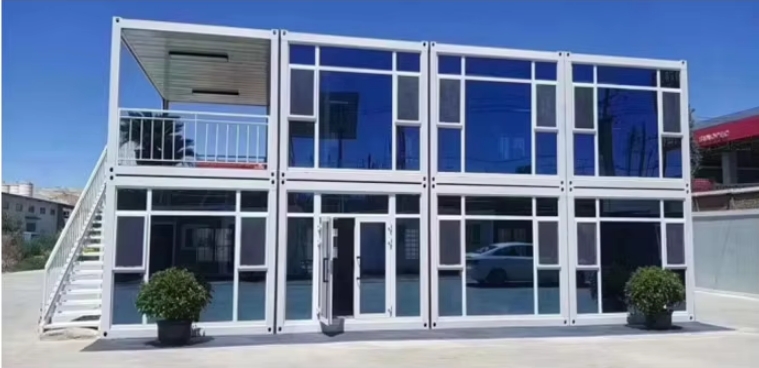
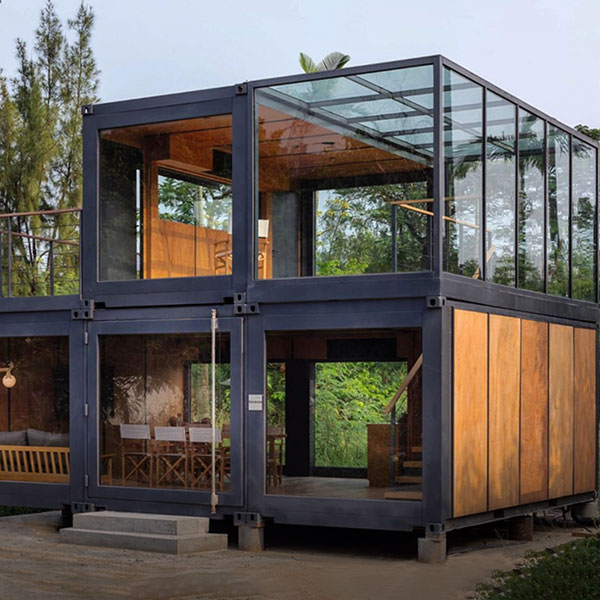
Revolutionizing Remote Living: Container Homes Tackle Site Accommodation Challenges
The dream of establishing operations in remote, untouched locations is often hampered by a significant hurdle: providing adequate, comfortable, and functional accommodation for staff. Traditional construction methods can be prohibitively expensive, time-consuming, and logistically nightmarish when dealing with sites far from established infrastructure. Frankly speaking, the challenges are immense. However, a revolutionary solution has emerged, offering a practical and increasingly popular answer: container homes for remote site accommodation challenges. These modular marvels are reshaping how we approach remote living and working, offering a blend of durability, speed, and adaptability that traditional builds simply can't match.
Understanding the Unique Demands of Remote Site Accommodation
When we talk about remote sites – think mining operations, construction projects in developing regions, research stations in harsh climates, or even eco-tourism lodges far from civilization – the demands placed on accommodation are far from ordinary. It's not just about providing a roof over someone's head. It's about creating a safe, habitable, and productive environment that can withstand extreme weather, endure challenging terrains, and often operate with limited access to utilities.
The Logistical Labyrinth
Transporting materials and labor to a remote site is often the first and most significant hurdle. Imagine trying to ferry concrete, steel beams, bricks, and a full construction crew to a location accessible only by helicopter or a long, arduous overland journey. The costs escalate rapidly, and the environmental impact can be substantial. Furthermore, the lack of local skilled labor can add another layer of complexity and expense. This is where the inherent advantages of modular construction, particularly container homes, begin to shine.
Environmental Extremes and Durability Needs
Remote locations are rarely temperate paradises. They can be windswept plains, scorching deserts, icy tundras, or dense rainforests. Accommodation must be designed to withstand these conditions. This means robust insulation, sturdy structural integrity against high winds, protection from extreme temperatures, and resistance to local pests or environmental degradation. The materials used need to be not only durable but also low-maintenance, as on-site repairs can be difficult and costly.
Utility Scarcity and Self-Sufficiency
Access to reliable electricity, clean water, and sewage systems is often a luxury in remote settings. Accommodation solutions must either be designed for grid-tie connections (if available) or be capable of operating off-grid. This necessitates integrated systems for power generation (solar, wind, generators), water collection and purification, and waste management. The ability to be self-sufficient is paramount.
The Rise of Container Homes as a Viable Solution
Shipping containers, once solely the workhorses of global trade, have found a second life as robust and versatile building blocks. Their inherent strength, standardized dimensions, and widespread availability make them an attractive option for various construction needs, especially when addressing container homes for remote site accommodation challenges.
Speed and Efficiency of Deployment
One of the most compelling advantages of container homes is their speed of deployment. The primary structure – the container itself – is already built. Modifications, such as cutting openings for doors and windows, installing insulation, and adding interior finishes, can often be completed in a controlled factory environment before the unit is even transported to the site. This drastically reduces on-site construction time, a critical factor when project timelines are tight and weather windows are limited.
This modular approach means that once the site is prepared, the container modules can be delivered and assembled relatively quickly. This is a stark contrast to traditional builds, which can take months or even years to complete in challenging remote locations.
Cost-Effectiveness and Predictability
While the initial purchase price of a container might seem low, the true cost-effectiveness emerges when considering the reduced labor, transportation, and construction time. The standardized nature of containers also leads to more predictable costs, minimizing the risk of budget overruns often associated with remote projects. For businesses looking to establish a presence in a new remote area, this financial predictability is invaluable.

Durability and Resilience
Shipping containers are designed to withstand the harsh conditions of sea travel, including extreme weather, salt spray, and heavy stacking. This inherent durability translates directly into robust accommodation. They are resistant to high winds, can be reinforced to handle significant snow loads, and, with proper treatment and modification, can offer excellent protection against moisture and pests. This resilience is a major selling point for container homes for remote site accommodation challenges.
Sustainability and Environmental Considerations
Repurposing shipping containers is an inherently sustainable practice, diverting materials from landfills and reducing the need for virgin construction resources. Furthermore, container homes can be designed with energy efficiency in mind, incorporating advanced insulation, solar panels, and water-saving fixtures, making them an excellent choice for eco-conscious remote developments. Many experts agree that upcycling materials is a key step towards more sustainable construction.
Overcoming the Specific Challenges with Container Home Solutions
While container homes offer a compelling solution, it's crucial to acknowledge and address the specific challenges they present when deployed in remote settings. It's not as simple as just dropping a container on the ground.
Foundation and Site Preparation
Even the most robust container needs a stable foundation. In remote areas, this can be tricky. Options range from simple concrete pads to more complex pier foundations, depending on the terrain and soil conditions. Proper site assessment is critical to ensure the foundation can support the weight of the container and withstand local environmental factors like frost heave or seismic activity.
Have you ever considered the engineering required to stabilize a structure in a remote, uneven landscape? It's a significant undertaking that requires careful planning.
Insulation and Climate Control
Steel containers can be notorious for heat transfer. Effective insulation is non-negotiable for comfort and energy efficiency. This typically involves adding a layer of insulation to the interior or exterior walls, floor, and roof. Spray foam insulation is a popular choice for its excellent thermal performance and ability to seal gaps, creating an airtight envelope. For extreme climates, multiple layers of insulation and high-performance windows and doors are essential.
Utilities and Off-Grid Capabilities
This is where container homes truly prove their worth in remote settings. They can be easily adapted to incorporate off-grid systems. Solar panels can be mounted on the roof, connected to battery storage for electricity. Water tanks can be installed for rainwater harvesting or connection to a well, coupled with filtration systems. Composting toilets or advanced septic systems can handle waste management. The compact nature of container homes can also make it easier to integrate these systems efficiently. This is a key aspect of addressing container homes for remote site accommodation challenges.
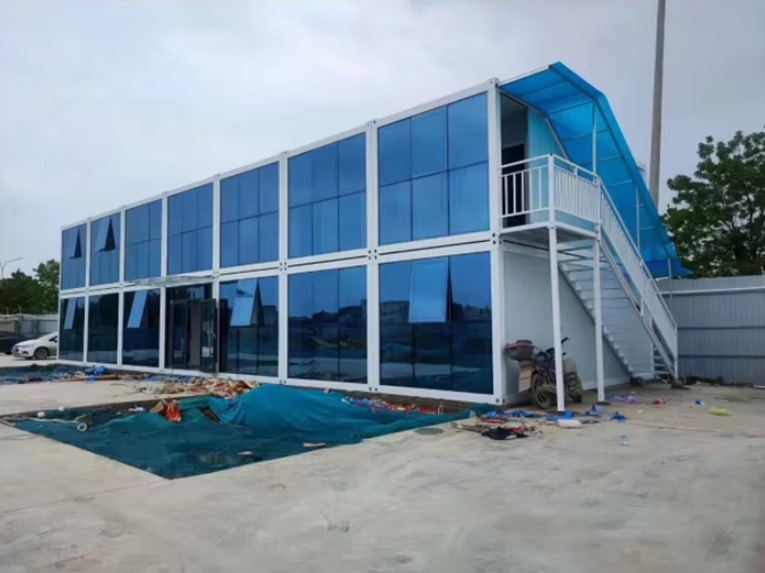
Modifications and Customization
While containers offer a standardized starting point, they are highly customizable. Openings for doors, windows, and ventilation can be cut and reinforced. Interior layouts can be designed to maximize space and functionality, accommodating sleeping quarters, common areas, kitchens, and bathrooms. Multiple containers can be joined together to create larger living or working spaces, offering flexibility for different project needs.
Permitting and Regulatory Hurdles
Depending on the jurisdiction and the nature of the remote site, obtaining permits for container homes can sometimes be a challenge. Building codes may not always be explicitly written to accommodate modular or repurposed structures. However, as the popularity of container homes grows, so does the understanding and acceptance among regulatory bodies. It's worth noting that working with experienced architects and builders familiar with these regulations can smooth the process considerably.
Case Studies and Real-World Applications
The theoretical benefits of container homes are impressive, but their success is best illustrated through real-world applications.
Mining and Resource Extraction Camps
The mining industry, often operating in some of the most remote and challenging environments on Earth, has been an early adopter of containerized accommodation. These camps require durable, easily deployable, and scalable housing solutions for large workforces. Container homes provide a cost-effective and rapid way to establish comfortable living quarters, mess halls, and administrative offices, significantly reducing the time and expense associated with traditional camp construction. Many companies have found that modular housing solutions are key to maintaining operational efficiency in these harsh conditions.
Construction Projects in Developing Regions
For large-scale construction projects in areas with limited infrastructure, container homes offer a practical solution for housing engineers, supervisors, and skilled labor. Their portability means they can be moved as the project progresses, and their robust nature ensures they can withstand local environmental conditions. This is particularly valuable when dealing with the complexities of remote construction, where delays can be incredibly costly.
Research Stations and Scientific Expeditions
From Antarctic research bases to remote ecological study sites, scientists and researchers often require secure and insulated living and working spaces in extreme environments. Container homes, especially when heavily modified for insulation and resilience, provide a viable and often more affordable alternative to purpose-built structures. Their ability to be transported and re-deployed makes them ideal for temporary or long-term research outposts.
Disaster Relief and Emergency Housing
In the aftermath of natural disasters, rapid deployment of temporary housing is critical. Container homes can be quickly transported to affected areas and set up to provide immediate shelter for displaced populations or emergency response teams. Their durability and ability to be made habitable quickly make them a valuable asset in humanitarian efforts.
The Future of Remote Site Accommodation
The evolution of container homes is far from over. Innovations in materials science, modular design, and integration of smart technologies are continuously enhancing their capabilities. We're seeing advancements in prefabricated wall systems, advanced insulation techniques, and integrated renewable energy solutions that make these homes even more self-sufficient and comfortable.
As the world increasingly looks to develop and utilize resources in remote locations, the demand for efficient, sustainable, and cost-effective accommodation will only grow. Container homes are perfectly positioned to meet this demand, offering a flexible and resilient answer to the complex container homes for remote site accommodation challenges. They represent not just a housing solution, but a paradigm shift in how we approach building and living in the world's most challenging environments.
For more detailed information, please visit our official website:container homes remote sites
About the author: Anya Sharma is a seasoned freelance writer specializing in sustainable architecture and innovative housing solutions. With a passion for exploring how design can overcome geographical and environmental barriers, Anya has extensively researched and written about modular construction, off-grid living, and the transformative potential of repurposed materials in creating functional and aesthetically pleasing spaces for challenging locations. Her insights are drawn from years of following industry trends and interviewing experts in the field.