Building a Better Future: The Unmatched Benefits of Modular Construction for Workforce Housing
The demand for affordable and accessible housing for our essential workforce is a growing challenge. From healthcare professionals and educators to service industry employees and tradespeople, ensuring these vital members of our communities have stable, quality housing is paramount. Frankly speaking, traditional construction methods often struggle to keep pace with this demand, leading to delays, cost overruns, and ultimately, a shortfall in available units. This is where modular construction steps in, offering a compelling and increasingly popular solution. The benefits of modular construction for workforce housing are multifaceted, touching upon speed, cost-effectiveness, sustainability, and quality.
What Exactly is Modular Construction?
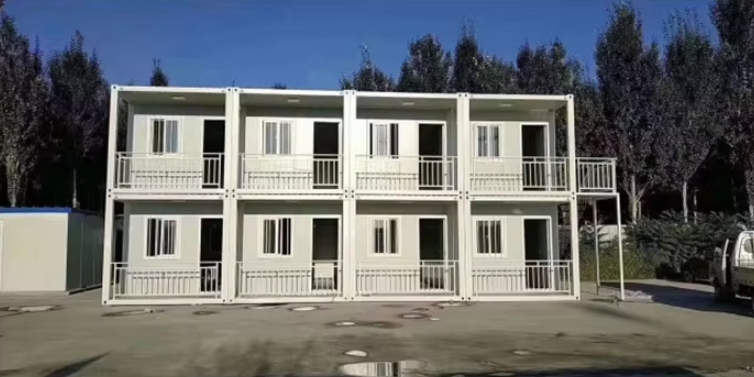
Before diving into the benefits, it's essential to understand what modular construction entails. Unlike site-built homes, modular homes are constructed in climate-controlled factory environments. Think of them as sophisticated, prefabricated modules that are then transported to the building site and assembled. These aren't the flimsy, temporary structures of the past; modern modular buildings are built to the same stringent building codes and standards as traditional homes, often exceeding them in quality and durability. The process involves meticulous planning and precision engineering, allowing for a highly controlled and efficient manufacturing process.
This factory setting is a game-changer. It means that construction can happen simultaneously with site preparation, significantly shortening project timelines. Rain, snow, or extreme temperatures don't halt progress. To be honest, this ability to build in a controlled environment is one of the primary drivers behind the efficiency gains we see.
Accelerated Project Timelines: A Key Advantage
One of the most significant benefits of modular construction for workforce housing is the dramatic reduction in project timelines. Traditional construction can be notoriously slow, subject to weather delays, labor shortages, and material procurement issues. Modular construction, however, allows for parallel processing. While the foundation is being prepared on-site, the modules are being manufactured in the factory. This overlap can cut construction time by 30-50%, a critical factor when addressing urgent housing needs.
Imagine the impact of getting essential workers into their homes months, or even a year, sooner. This speed is not just about convenience; it translates directly into economic benefits for both developers and residents. Faster occupancy means quicker returns on investment for developers and immediate relief for individuals and families struggling to find housing. Many experts agree that this accelerated delivery is a primary reason why modular is becoming the go-to for rapid housing initiatives.
Have you ever wondered why some construction projects seem to take forever? Weather, site access, and coordination challenges are often to blame. Modular construction bypasses many of these hurdles by moving the bulk of the building process indoors.
Cost-Effectiveness and Predictability
Affordability is a cornerstone of any successful workforce housing initiative. Modular construction offers significant cost advantages. The controlled factory environment leads to less material waste, as materials are precisely cut and utilized. Bulk purchasing of materials by modular manufacturers also often results in lower costs. Furthermore, the reduced labor time on-site, coupled with the minimized risk of weather-related delays, contributes to a more predictable and often lower overall project cost.
This predictability is invaluable. In traditional construction, unforeseen issues can lead to budget blowouts. With modular, the majority of the costs are fixed once the factory production begins, allowing for better financial planning and control. This is particularly important for non-profit organizations and government agencies tasked with developing affordable housing solutions. The ability to deliver high-quality housing within a defined budget is a massive win.
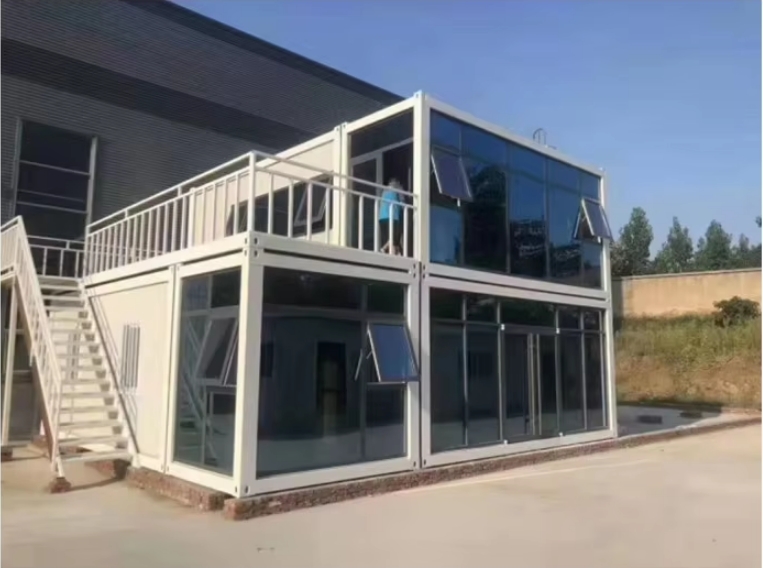
It's worth noting that while the initial perception might be that factory-built means more expensive, the total cost of ownership and the speed of delivery often make modular construction the more economical choice in the long run, especially for large-scale workforce housing projects. The reduced need for on-site labor also helps mitigate the impact of fluctuating labor costs and shortages.
Enhanced Quality and Sustainability
The controlled factory environment is not just about speed and cost; it's also a breeding ground for superior quality. In the factory, modules are built by specialized teams using consistent processes and advanced technology. This precision leads to tighter seals, better insulation, and overall higher structural integrity compared to site-built homes, which can be susceptible to variations in craftsmanship and on-site conditions.
Interestingly enough, this heightened quality often translates into better energy efficiency. Well-sealed modular homes require less energy for heating and cooling, leading to lower utility bills for residents – a significant benefit for workforce housing occupants. Furthermore, the reduced material waste in a factory setting contributes to a more sustainable construction process. Many modular manufacturers also prioritize the use of eco-friendly materials and practices.
The sustainability aspect is becoming increasingly important. As we face climate challenges, building methods that minimize environmental impact are crucial. Modular construction's inherent efficiency in material usage and energy consumption makes it a strong contender for environmentally conscious development.
Addressing Specific Workforce Housing Needs
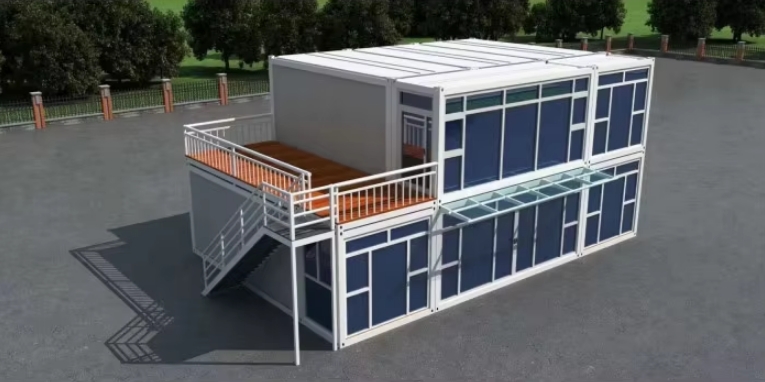
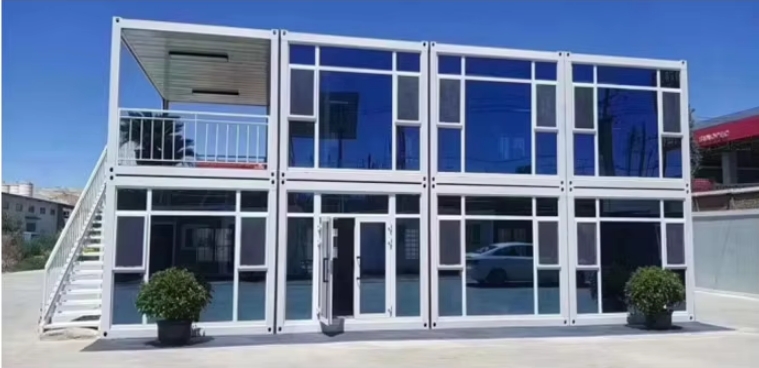
Modular construction is remarkably versatile and can be adapted to meet a wide range of workforce housing needs. Whether it's single-family homes, multi-unit apartment buildings, dormitories for temporary workers, or transitional housing, modular designs can be customized. The ability to create various module types and configurations allows for flexibility in design, catering to different family sizes, site constraints, and aesthetic preferences.
I've found that developers working on projects for remote workforces, such as those in mining or construction camps, particularly benefit from the ease of transportation and rapid assembly of modular units. These solutions can be deployed quickly to areas where traditional construction would be prohibitively difficult and time-consuming. This adaptability is a key reason why modular construction is gaining traction in diverse applications for affordable and workforce housing.
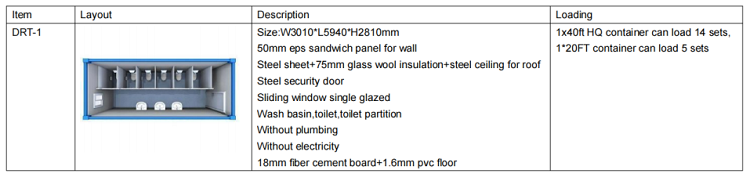
The emphasis on offsite construction for affordable housing solutions is growing, and modular is at the forefront of this movement. It offers a tangible way to increase housing stock quickly and efficiently, making it a vital tool in addressing the housing crisis faced by many essential workers.
Overcoming Perceptions and Embracing the Future
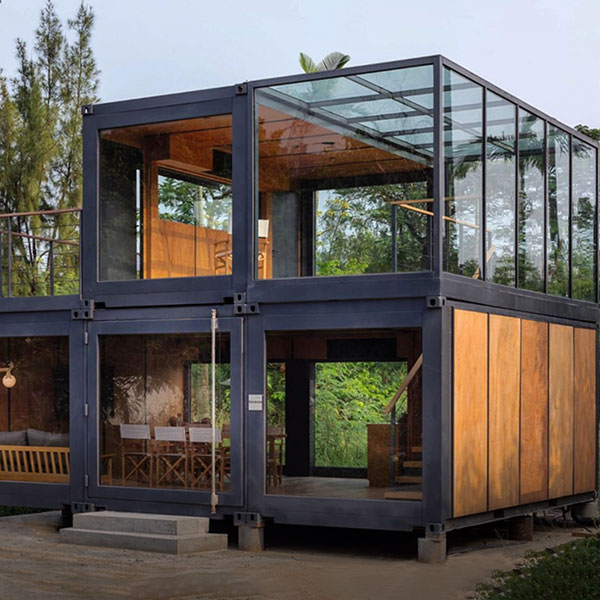
Despite the clear advantages, some lingering perceptions about modular or prefabricated housing still exist. These often stem from outdated notions of what factory-built homes look like or how they perform. However, the reality today is vastly different. Modern modular homes are indistinguishable from their site-built counterparts in terms of aesthetics and quality, and often surpass them in performance.
It's crucial to educate stakeholders – developers, policymakers, and the public – about the advancements and the proven benefits of modular construction for workforce housing. The conversation needs to shift from "can it be done?" to "how quickly can we implement it?" The challenges of housing our workforce are significant, and frankly speaking, we need innovative and efficient solutions.
The benefits of modular construction for workforce housing are undeniable: faster delivery, lower costs, higher quality, and greater sustainability. As the demand for housing continues to grow, modular construction stands out as a powerful and practical solution that can help build stronger, more stable communities for everyone.
For more detailed information, please visit our official website:modular construction workforce housing
About the author: Alex Chen is a seasoned construction industry analyst with over a decade of experience specializing in innovative building technologies. His expertise lies in evaluating the economic and social impacts of offsite construction methods, particularly in the realm of affordable and workforce housing. Alex is passionate about promoting sustainable and efficient building practices that address critical societal needs.