Embrace Freedom: Your Ultimate Guide to Sustainable Off-Grid Living Solutions
The allure of disconnecting from the grid, living more sustainably, and achieving true self-sufficiency is growing. More and more people are exploring sustainable off-grid living solutions, seeking a lifestyle that prioritizes environmental responsibility, financial independence, and a deeper connection with nature. But what does it really take to live off the grid? Frankly speaking, it's a journey that requires careful planning, a willingness to learn, and a commitment to embracing a different way of life. This guide will delve into the core components of successful off-grid living, from generating your own power to managing your water and waste.
Powering Your Independence: Renewable Energy for Off-Grid Homes
At the heart of any off-grid setup is the ability to generate your own electricity. This is where renewable energy sources shine. Solar power is arguably the most popular and accessible option for many. Photovoltaic (PV) panels convert sunlight directly into electricity, which can then be stored in batteries for use when the sun isn't shining. The efficiency of solar panels has improved dramatically over the years, making them a viable primary power source for homes.
When considering solar, it's crucial to assess your energy needs. A thorough energy audit of your current consumption is the first step. This involves tracking how much electricity you use for lighting, appliances, heating, cooling, and electronics. Once you have a clear picture, you can size your solar array and battery bank accordingly. Many experts agree that oversizing slightly is better than undersizing, as it provides a buffer for cloudy days or unexpected increases in demand.
Beyond solar, wind power is another excellent option, especially in areas with consistent wind speeds. Wind turbines, ranging from small residential models to larger ones, can generate significant amounts of electricity. Often, a hybrid system combining solar and wind offers the most reliable power supply, as these sources can complement each other – wind might be stronger when solar is weaker, and vice versa.
Hydroelectric power is also a possibility if you have access to a flowing water source with sufficient drop (head) and flow rate. While it requires more specialized infrastructure, a well-designed micro-hydro system can provide a consistent and abundant power source.
Battery storage is a critical component of any off-grid energy system. Deep-cycle batteries, such as lead-acid or lithium-ion, are designed to be discharged and recharged repeatedly. The capacity of your battery bank determines how long you can power your home without sunlight or wind. Lithium-ion batteries are becoming increasingly popular due to their longer lifespan, higher energy density, and faster charging capabilities, though they come with a higher upfront cost.
It's worth noting that managing your energy consumption is just as important as generating it. Investing in energy-efficient appliances, LED lighting, and smart home technology can significantly reduce your power demands, making your off-grid system more manageable and cost-effective. Have you ever considered how much energy your current appliances consume?
Water Wisdom: Securing Your Off-Grid Water Supply
Access to clean, potable water is non-negotiable for any dwelling, and off-grid living presents unique challenges and opportunities in this regard. One of the most common and reliable methods is through a well. Drilling a well requires careful site selection to ensure access to a sustainable aquifer. The depth and yield of the well will determine the type of pump needed, which itself will need to be powered by your off-grid energy system.
Rainwater harvesting is another fundamental aspect of sustainable off-grid living solutions. Collecting rainwater from your roof and storing it in cisterns or tanks provides a significant water source, especially in regions with ample rainfall. The collected water typically needs to be filtered and purified for potable use, often involving a multi-stage filtration system and UV sterilization.
For those living near natural bodies of water like lakes or rivers, surface water can be an option. However, this water will almost certainly require extensive treatment to remove contaminants and make it safe for consumption. This typically involves sedimentation, filtration, and disinfection processes.
Greywater recycling is an innovative approach that significantly reduces water consumption. Greywater is wastewater from showers, sinks (excluding kitchen sinks), and washing machines. This water, after being filtered, can be reused for irrigation of non-edible plants or for flushing toilets. This not only conserves fresh water but also reduces the amount of wastewater that needs to be treated or disposed of.
Blackwater, which comes from toilets, requires more robust treatment. Composting toilets are a popular and environmentally friendly option for off-grid homes. They break down human waste into a usable compost, eliminating the need for a septic system or sewer connection. Other methods include constructed wetlands or advanced biological treatment systems, but these are often more complex and require more space.
Waste Not, Want Not: Sustainable Waste Management Strategies
Managing waste is a crucial consideration for off-grid living. Without municipal services, you are responsible for all your waste. This encourages a mindful approach to consumption and a focus on reducing, reusing, and recycling.
Composting is a cornerstone of sustainable waste management. Organic waste from the kitchen (food scraps, coffee grounds, eggshells) and garden (leaves, grass clippings) can be transformed into nutrient-rich compost for your garden. This not only diverts waste from landfills but also provides valuable fertilizer for growing your own food, a key aspect of self-sufficiency.
Recycling is also essential. While you might not have curbside pickup, you can still sort and store recyclables (paper, cardboard, glass, metal, certain plastics) to be taken to local recycling centers. For some materials, creative reuse is also an option – old tires can become garden planters, and glass jars can be used for storage.
For non-compostable and non-recyclable waste, responsible disposal is key. This might involve hauling it to a local landfill or transfer station. The goal is to minimize this type of waste through conscious purchasing decisions, opting for products with minimal packaging and choosing durable, repairable items.
Interestingly enough, many off-grid dwellers find that living with less waste becomes second nature. The direct connection to the resources you use and the waste you generate fosters a greater sense of responsibility and appreciation for the environment.
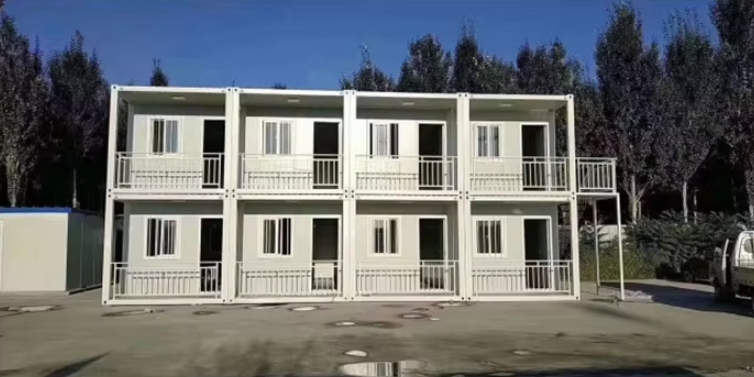
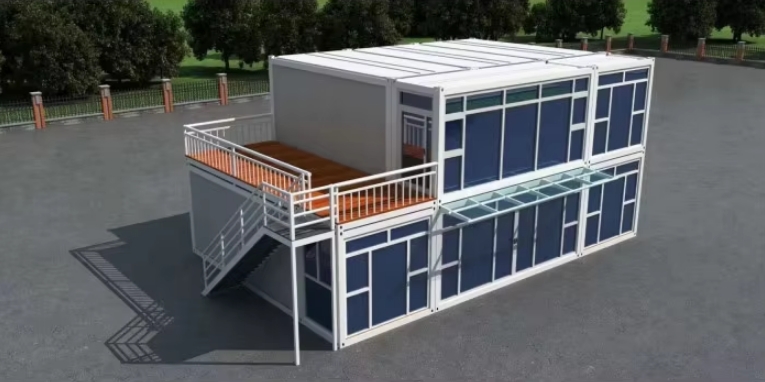
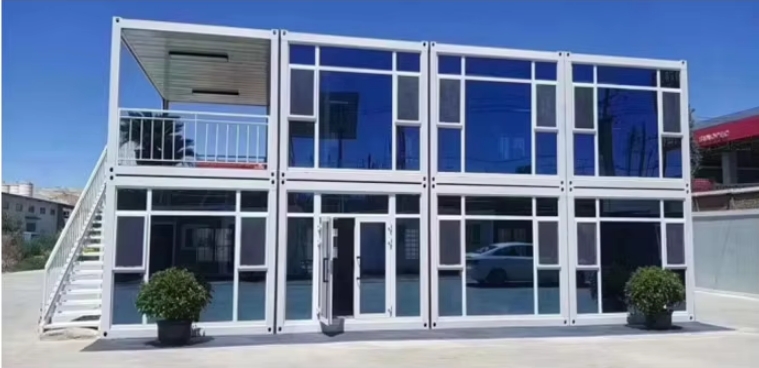
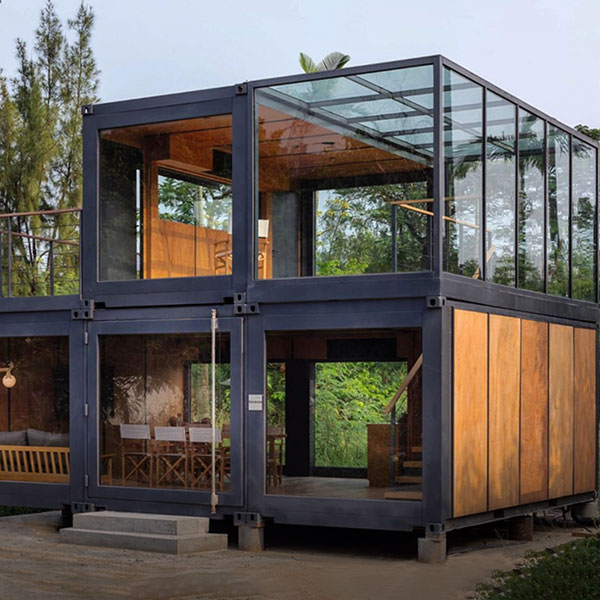
Building for Resilience: Sustainable Home Design and Construction
The structure of your home plays a significant role in its sustainability and your ability to live comfortably off the grid. Passive solar design principles are fundamental. This involves orienting your home to maximize solar gain in winter for heating and minimize it in summer to prevent overheating. Large south-facing windows (in the Northern Hemisphere) with appropriate overhangs are key.
Excellent insulation is paramount. A well-insulated home requires less energy for heating and cooling, reducing the load on your renewable energy system. Materials like straw bales, rammed earth, or recycled insulation can offer excellent thermal performance and are often more environmentally friendly than conventional options.
Ventilation is also critical. Natural ventilation through strategically placed windows and vents can help regulate indoor temperature and improve air quality without relying on energy-intensive HVAC systems. Heat recovery ventilators (HRVs) or energy recovery ventilators (ERVs) can be used to provide fresh air while minimizing heat loss or gain.
Choosing sustainable building materials is another vital aspect. Opting for locally sourced, renewable, or recycled materials reduces the embodied energy of your home and supports local economies. Think reclaimed wood, bamboo, natural plasters, and low-VOC (volatile organic compound) paints and finishes.
The size of your home also matters. Smaller, more efficiently designed homes naturally require less energy to heat, cool, and maintain. Many off-grid dwellers embrace minimalist lifestyles, finding that a smaller footprint leads to a simpler, more fulfilling life.
Embracing the Off-Grid Lifestyle: Challenges and Rewards
Living off the grid is not without its challenges. It requires a significant upfront investment in infrastructure, ongoing maintenance, and a willingness to adapt. You'll need to be comfortable with troubleshooting your systems, from your solar inverter to your water pump. It also demands a shift in mindset – you become more aware of your resource consumption and the impact of your choices.
However, the rewards are immense. The freedom from utility bills is a major draw for many. Beyond the financial savings, there's a profound sense of independence and resilience that comes from knowing you can meet your own needs. The connection to nature is often deepened, as you become more attuned to the rhythms of the environment.
Many experts agree that the journey of sustainable off-grid living solutions is as much about personal growth as it is about technical self-sufficiency. It fosters problem-solving skills, resourcefulness, and a greater appreciation for the simple things in life. It's a path for those who value autonomy, environmental stewardship, and a life lived with intention.
If you're considering this path, start small. Perhaps begin by incorporating some off-grid principles into your current home, like a solar-powered shed or a rainwater harvesting system. Research extensively, connect with others who are living off the grid, and plan meticulously. The dream of a more sustainable, independent life is achievable with the right knowledge and dedication.
For more detailed information, please visit our official website:sustainable off-grid living
About the author: Alex "Eco-Warrior" Thompson is a seasoned advocate for sustainable living and a passionate proponent of off-grid solutions. With over a decade of hands-on experience designing and implementing renewable energy systems and water management strategies for self-sufficient homes, Alex shares practical insights and inspiring stories. His expertise lies in demystifying complex off-grid technologies and empowering individuals to achieve greater autonomy and environmental harmony.