Beyond the Box: 5 Design Hacks to Make a Container Home Look Like a Luxury Villa
The humble shipping container, once a utilitarian workhorse of global trade, has undergone a remarkable transformation in the architectural world. What was once considered a niche, budget-friendly housing solution is now a canvas for sophisticated, modern design. Many people still associate container homes with a stark, industrial aesthetic, but to be honest, that perception is rapidly becoming outdated. With the right approach, a container home can transcend its origins and achieve a level of luxury and style that rivals, and sometimes even surpasses, traditional brick-and-mortar villas. The key lies in understanding how to "think beyond the box" – literally and figuratively.
The challenge, and indeed the exciting part, of designing a container home is to leverage its inherent structural qualities while artfully concealing its utilitarian nature. It’s about creating an illusion of spaciousness, integrating high-end finishes, and paying meticulous attention to details that whisper "luxury." So, how do we achieve this seemingly ambitious feat? It's not about magic, but about strategic design choices. In this article, we will delve into five powerful design hacks that can elevate your container home from a simple dwelling to a bona fide luxury villa.
Hack 1: Master the Art of Exterior Transformation – Beyond the Corrugated Walls
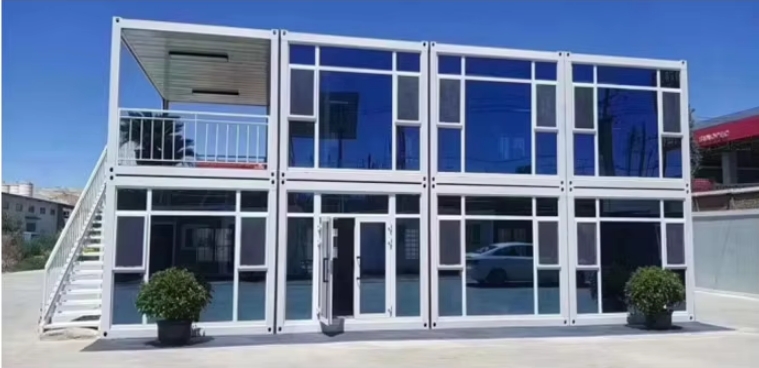
The most immediate visual cue of a container home is its corrugated steel exterior. To move towards a luxury villa aesthetic, this is the first element that needs a sophisticated overhaul. Simply painting the container a chic color isn't enough. We need to think about cladding, strategic additions, and creating a seamless, monolithic appearance.
Embrace High-End Cladding Materials
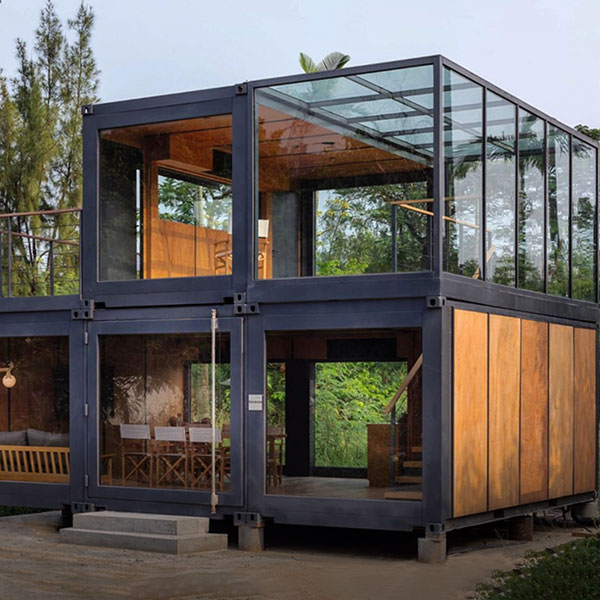
One of the most impactful ways to disguise the container's origin is by applying luxurious exterior cladding. Materials like natural wood (cedar, ipe, or even Shou Sugi Ban treated wood for a dramatic effect), stone veneers, or sleek composite panels can completely transform the visual identity of the structure. These materials not only add a layer of insulation but also imbue the home with a sense of permanence and opulence. Imagine a container home clad in warm, inviting cedar that blends seamlessly with its natural surroundings, or one accented with modern, dark stone that exudes an air of understated elegance.
Strategic Use of Architectural Features
To break up the boxy form and add architectural interest, consider incorporating elements that extend beyond the container's footprint. Overhanging roofs, cantilevered sections, or integrated pergolas can create dynamic lines and provide shade, enhancing both aesthetics and functionality. These additions can also serve to conceal the container's seams and edges, making the structure appear more integrated and less like a stacked arrangement of boxes. Think of how a well-designed awning can add a touch of Mediterranean flair or how a minimalist cantilever can lend a distinctly modern, high-end feel.
Large-Scale Glazing and Seamless Transitions
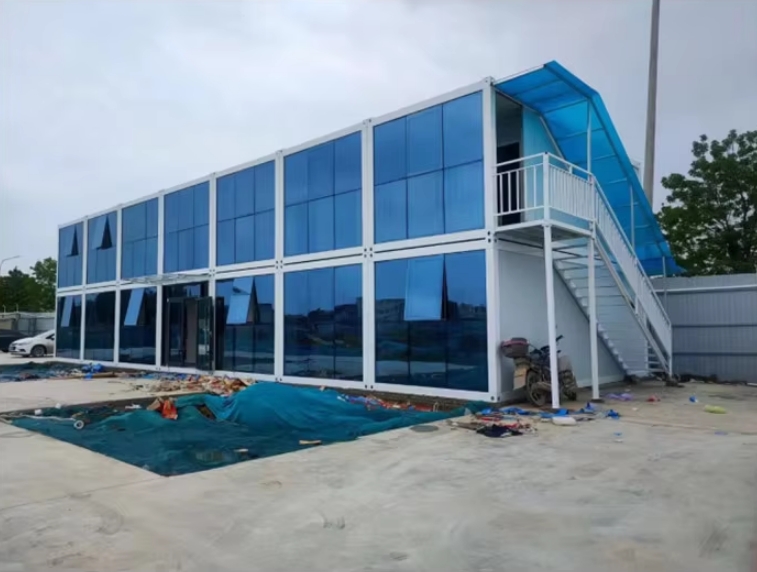
Luxury living often involves an abundance of natural light and a strong connection to the outdoors. Replacing sections of the corrugated walls with expansive, high-performance windows and sliding glass doors is crucial. Floor-to-ceiling glass panels not only flood the interior with light but also visually expand the living space, blurring the lines between inside and out. When these glass elements are integrated with minimal frames and flush with the exterior cladding, they contribute significantly to a sleek, contemporary, and luxurious appearance. The goal is to make the container walls almost disappear, replaced by views and light.
Hack 2: Interior Layout and Flow – Creating Grandeur from Compact Spaces
Container homes, by their nature, are often narrower than traditional houses. The key to achieving a villa-like feel is to maximize the perception of space and create an intuitive, flowing layout. This involves clever spatial planning and a mindful approach to how rooms connect.
Open-Plan Living and Defined Zones
The most effective way to combat the inherent narrowness of a container is to embrace open-plan living. Knocking down internal walls between the kitchen, dining, and living areas creates a sense of spaciousness and allows light to travel freely throughout the home. However, simply having one large room can feel cavernous or undefined. The trick is to subtly define zones within the open space. This can be achieved through the strategic placement of furniture, changes in flooring materials, the use of area rugs, or the installation of partial room dividers like open shelving units or decorative screens. This creates distinct areas for different activities while maintaining the overall sense of openness.
Vertical Space Utilization and High Ceilings
Many container homes have relatively low ceiling heights. To counter this and create a sense of grandeur, consider strategies that draw the eye upwards. This could involve exposing the original container ceiling beams and painting them a light color, or installing a dropped ceiling with integrated, sophisticated lighting that creates a sense of height and drama. In some cases, stacking containers can allow for double-height living spaces, which are inherently more luxurious and villa-like. Even in a single-level container, clever use of tall cabinetry, floor-to-ceiling windows, and vertical artwork can make the space feel much grander.
Smart Storage Solutions to Minimize Clutter
Clutter is the enemy of luxury. In a compact space, effective storage is paramount. Invest in custom-built cabinetry, integrated wardrobes, and hidden storage solutions that seamlessly blend into the walls. Think about built-in benches with storage underneath, floating shelves, and clever solutions for appliances. When everything has its place and is out of sight, the interior appears cleaner, more organized, and significantly more spacious and luxurious. Many experts agree that well-executed built-in storage is a hallmark of high-end design.
Hack 3: Materiality and Finishes – The Touch of Luxury
The choice of materials and finishes plays a pivotal role in elevating any space from ordinary to extraordinary. For a container home aiming for villa status, this means selecting high-quality, tactile, and visually appealing elements.
Premium Flooring Choices
The flooring sets the tone for the entire interior. While concrete floors can be polished to a high sheen, consider more luxurious options. Wide-plank engineered hardwood, natural stone tiles (like marble or travertine), or high-quality porcelain tiles can instantly add a sense of sophistication. For a warmer feel, consider plush, high-pile carpeting in bedrooms or lounge areas. The key is to choose materials that feel good underfoot and look visually rich. Interestly enough, the contrast between a sleek, modern container exterior and a warm, natural material like wood flooring inside can be incredibly effective.
Elegant Wall Treatments
Move beyond standard drywall. Consider textured wallpapers that add depth and character, natural wood paneling for warmth and sophistication, or even exposed brick (if done tastefully and sealed properly) for an industrial-chic vibe that can be surprisingly luxurious. High-quality paint finishes, such as matte or satin, in sophisticated color palettes can also make a significant difference. Think deep blues, rich greys, warm neutrals, or even subtle metallic accents.
High-End Fixtures and Fittings
The details matter immensely. Opt for premium faucets, door handles, lighting fixtures, and hardware. Brushed brass, matte black, or polished chrome finishes can add a touch of elegance. In the kitchen and bathroom, consider stone countertops (quartz, granite, or marble), custom cabinetry with soft-close mechanisms, and high-end appliances. These elements, though small, contribute significantly to the overall perception of quality and luxury.
Hack 4: Lighting Design – Setting the Mood and Enhancing Space
Lighting is often underestimated, but it's one of the most powerful tools in a designer's arsenal, especially when aiming for a luxurious ambiance. A well-designed lighting scheme can transform the perception of space, highlight architectural features, and create a warm, inviting atmosphere.
Layered Lighting Strategies
A single overhead light source is rarely sufficient for a luxury feel. Instead, adopt a layered approach that combines ambient, task, and accent lighting. Ambient lighting provides overall illumination, task lighting is focused on specific activities (like in the kitchen or at a reading nook), and accent lighting is used to highlight artwork, architectural details, or create dramatic focal points.
Strategic Placement of Fixtures
Consider recessed lighting for a clean, minimalist look, pendant lights over kitchen islands or dining tables for a statement piece, and wall sconces to add softer, more diffused light. Dimmers are essential for controlling the mood and intensity of light, allowing you to transition from bright and functional to soft and intimate. In my experience, strategically placed uplighting can make ceilings appear higher and spaces feel more expansive.
Natural Light Maximization
As mentioned earlier, large windows and glass doors are key. However, the way natural light is managed is also important. Consider sheer curtains or blinds that allow light to filter in softly, rather than harsh, opaque coverings. Skylights can also be a fantastic addition, bringing natural light into the core of the home and creating a sense of openness.
Hack 5: Landscaping and Outdoor Integration – Extending the Luxury
A luxury villa isn't just about the interior; it's also about the experience of the entire property. For a container home, integrating the outdoor space seamlessly with the interior is crucial for creating a sense of spaciousness and extending the living area.
Creating Outdoor Living Rooms
Think of your outdoor space as an extension of your indoor living areas. Design patios, decks, or covered verandas that are furnished for comfort and style. This could include outdoor sofas, dining sets, and even an outdoor kitchen or fireplace. These spaces provide opportunities for relaxation, entertaining, and enjoying the surroundings, effectively doubling your usable living area.
Thoughtful Landscaping and Privacy
The surrounding landscape plays a significant role in the overall aesthetic. Invest in thoughtful landscaping that complements the architectural style of your container home. This might involve creating manicured gardens, incorporating water features, or planting mature trees for shade and privacy. A well-designed landscape can soften the industrial edges of a container home and create a serene, private oasis. Privacy is a key component of luxury; ensure your outdoor spaces feel secluded and tranquil.
Seamless Indoor-Outdoor Transitions
The connection between the interior and exterior should be as seamless as possible. Large sliding or bi-fold doors are ideal for this. When opened, they should create a wide, unobstructed opening, allowing for easy movement and a visual flow between spaces. Consider extending interior flooring materials onto covered outdoor areas to further enhance this sense of continuity.
Transforming a container home into a luxury villa is an achievable dream with the right design strategies. By focusing on exterior enhancements, intelligent interior layouts, premium materials, sophisticated lighting, and integrated outdoor spaces, you can move far beyond the box and create a dwelling that is both stylish and exceptionally livable. It's about embracing the potential of modular living and applying the principles of high-end design to achieve remarkable results.
For more detailed information, please visit our official website:Container home design
About the author: Alex Chen is a visionary architect with a passion for innovative and sustainable housing solutions. With over a decade of experience in modular and prefabricated construction, Alex specializes in transforming unconventional structures into luxurious, high-performance homes. Their expertise lies in blending cutting-edge design with practical application, proving that beautiful and comfortable living can be achieved through smart, forward-thinking architecture.