The Real ROI of Prefab: A Cost Breakdown of Modular vs. Stick-Built Homes
When embarking on the journey of building a new home, the financial implications are often at the forefront of a buyer's mind. The decision between a traditional stick-built home and a prefabricated (prefab) or modular home can seem complex, with varying opinions on which offers a better return on investment (ROI). To be honest, the perceived cost differences can be a significant barrier for some considering prefab. However, a closer look at the entire process, from initial design to final completion, reveals a more nuanced picture. This article aims to provide a comprehensive cost breakdown, dissecting the real ROI of prefab by comparing it directly with stick-built construction.
Understanding the Core Differences: Prefab vs. Stick-Built
Before diving into the numbers, it's crucial to understand what sets prefab and stick-built homes apart. Stick-built homes are constructed entirely on-site, piece by piece, by a construction crew. This traditional method offers immense flexibility in design and customization. Modular homes, on the other hand, are built in sections or modules in a controlled factory environment. These modules are then transported to the building site and assembled by a local contractor. This factory setting allows for greater precision, reduced waste, and protection from weather delays.
Interestly enough, the term "prefab" is often used interchangeably with "modular," but it's worth noting that prefab is a broader category that can include panelized or kit homes as well. For the purpose of this cost breakdown, we will focus on modular homes as the primary prefab alternative to stick-built.
The Initial Cost Comparison: What You See vs. What You Get
At first glance, the sticker price of a modular home can sometimes appear higher than that of a comparable stick-built home. This is often due to how costs are presented. A modular home's price typically includes the factory-built modules themselves, which are essentially the "bones" of your house. However, it often excludes site preparation, foundation, utility hookups, and final assembly, costs that are also incurred with stick-built homes.
Site Preparation and Foundation Costs
Both modular and stick-built homes require land preparation, including excavation, grading, and the installation of a foundation. The costs here can vary significantly based on the terrain, soil conditions, and the type of foundation chosen (e.g., basement, crawl space, slab). In many cases, these costs are quite similar for both building methods. However, because modular homes are built to precise specifications in a factory, the foundation work on-site can sometimes be more streamlined, potentially leading to minor savings if planned meticulously.
The Factory Advantage: Material Procurement and Labor Efficiency
This is where prefab truly begins to shine in its ROI. In a factory setting, manufacturers can purchase materials in bulk, often securing better pricing than individual builders on a construction site. This bulk purchasing power translates into lower material costs per square foot. Furthermore, factory labor is typically more efficient. Workers specialize in specific tasks, leading to less rework and fewer errors. The controlled environment also means no weather delays, which are a significant cost driver in traditional construction. A stick-built home can be delayed for weeks or even months due to rain, snow, or extreme temperatures, leading to increased labor costs and potential material damage.
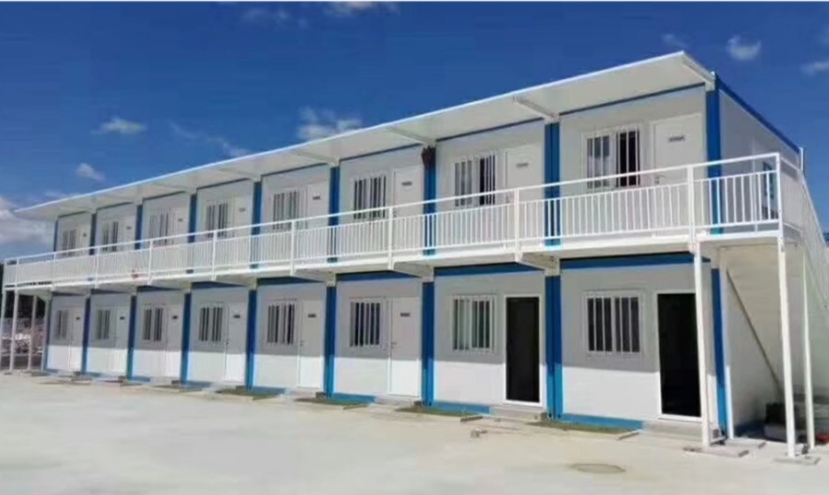
Design and Customization Costs
Historically, stick-built homes were seen as the champions of customization. However, modern modular construction offers a surprising degree of flexibility. While highly complex, bespoke designs might still be more cost-effective as stick-built, many modular manufacturers offer a wide range of floor plans and customization options. The cost of design and engineering for modular homes is often integrated into the overall package, and because the designs are repeatable and optimized for factory production, the per-unit design cost can be lower. Stick-built custom designs, on the other hand, can incur significant architectural fees and may require more on-site revisions, adding to the overall expense.
Hidden Costs and Long-Term Savings: The True ROI Unveiled
The ROI of a home isn't just about the upfront price tag; it's about the total cost of ownership and the long-term value. This is where prefab's advantages become even more apparent.
Reduced Construction Time and Carrying Costs
One of the most significant financial benefits of modular construction is the drastically reduced build time. While a stick-built home can take 6-12 months or even longer to complete, a modular home can be manufactured in the factory in a matter of weeks, with on-site assembly taking only a few days to a few weeks. This accelerated timeline means fewer months of paying mortgage interest during construction (construction loan interest), reduced rent payments if you're currently renting, and faster occupancy. This reduction in carrying costs directly boosts the ROI.
Energy Efficiency and Lower Utility Bills
Factory-built homes are renowned for their superior energy efficiency. The controlled environment allows for tighter seals, better insulation installation, and more precise construction techniques. This results in fewer drafts and better thermal performance. Many modular homes are built to meet or exceed stringent energy codes, often incorporating advanced building materials and systems. Over the lifespan of the home, this translates into significantly lower utility bills for heating and cooling, contributing to a substantial long-term saving and a higher overall ROI. Many experts agree that the energy savings alone can justify the initial investment in a well-built modular home.
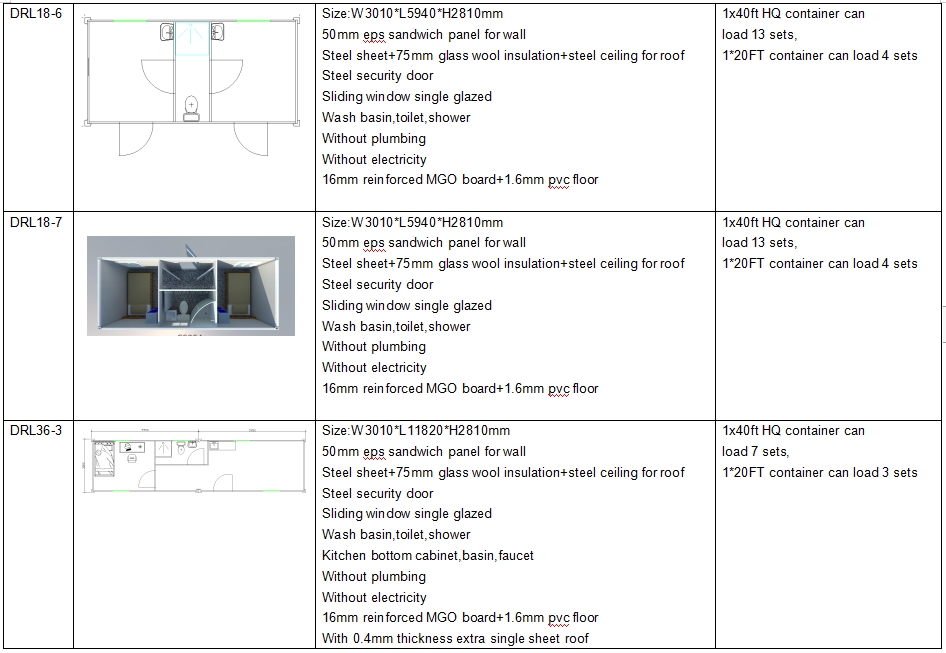
Quality Control and Durability
The factory setting allows for rigorous quality control at every stage of production. Materials are stored properly, and construction is overseen by dedicated quality assurance teams. This meticulous approach minimizes defects and ensures a consistently high-quality product. A well-built modular home is often more durable and resilient than a stick-built home, which can be susceptible to the whims of weather and varying skill levels of on-site labor. Durability translates to lower maintenance costs and a longer lifespan for the home, further enhancing its ROI.
Resale Value
The perception of modular homes has evolved significantly. Once viewed as less desirable than stick-built homes, modern modular homes are now widely accepted and can command comparable resale values, especially in areas where they are common and well-regarded. The superior quality, energy efficiency, and often modern designs of today's modular homes can make them highly attractive to future buyers. While specific market conditions always play a role, a well-maintained and thoughtfully designed modular home can offer an excellent return on investment when it comes time to sell.
The "Hidden" Costs of Stick-Built Homes
While we've focused on the advantages of prefab, it's also important to acknowledge the potential "hidden" costs that can creep into stick-built projects. These include:
- Weather Delays: As mentioned, rain, snow, and extreme temperatures can halt construction, leading to extended timelines and increased labor costs.
- Material Waste: On-site construction often generates more material waste, which can incur disposal fees and represent a loss of investment.
- Labor Inefficiencies: The availability and skill level of local tradespeople can fluctuate, leading to inconsistent quality and potential rework.
- Subcontractor Coordination: Managing multiple subcontractors can be complex and time-consuming, sometimes leading to miscommunication and delays.
- On-site Material Storage and Security: Materials delivered to the site need to be stored securely and protected from the elements, adding logistical challenges and potential losses due to theft or damage.
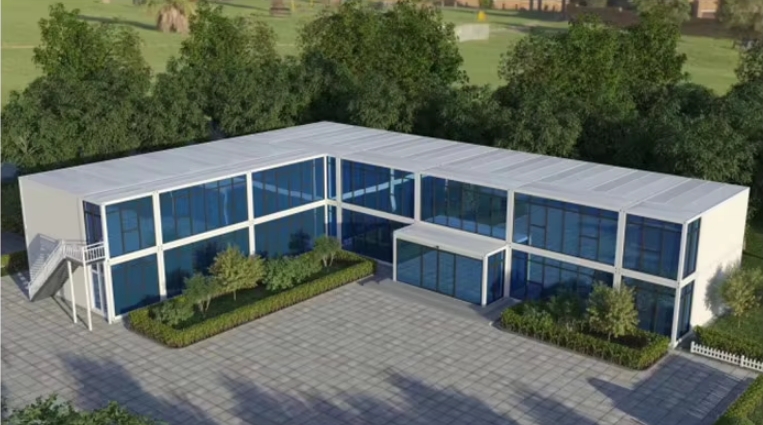
Making the Right Choice for Your ROI
So, what is the real ROI of prefab? In my experience, when you consider the total cost of ownership, including reduced construction time, lower utility bills, superior quality, and potential for comparable resale value, modular homes often present a compelling financial advantage. The initial cost might not always be lower, but the long-term savings and efficiencies contribute significantly to a better return on investment.
Ultimately, the decision hinges on your priorities, budget, and desired level of customization. If speed, energy efficiency, and consistent quality are paramount, and you're willing to work within the design parameters offered by manufacturers, a modular home is likely to provide a superior ROI. If absolute design freedom and a traditional on-site building experience are non-negotiable, then stick-built might be your preference, but be prepared for potentially longer timelines and a different cost structure.
It's worth noting that the modular industry is constantly evolving, with manufacturers offering increasingly sophisticated designs and customization options. As this trend continues, the gap in perceived flexibility and design choice between modular and stick-built homes will likely continue to narrow, further solidifying the strong ROI that prefab offers.
For more detailed information, please visit our official website:Prefab cost
About the author: A seasoned construction analyst with over a decade of experience, Alex Chen specializes in dissecting the financial intricacies of modern building methods. His expertise lies in evaluating the long-term value and return on investment for various housing solutions, particularly in the burgeoning prefab and modular construction sectors. Alex is passionate about demystifying complex building costs for homeowners.