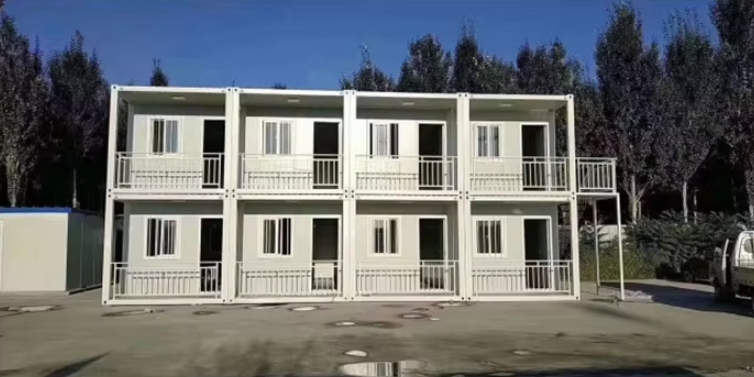
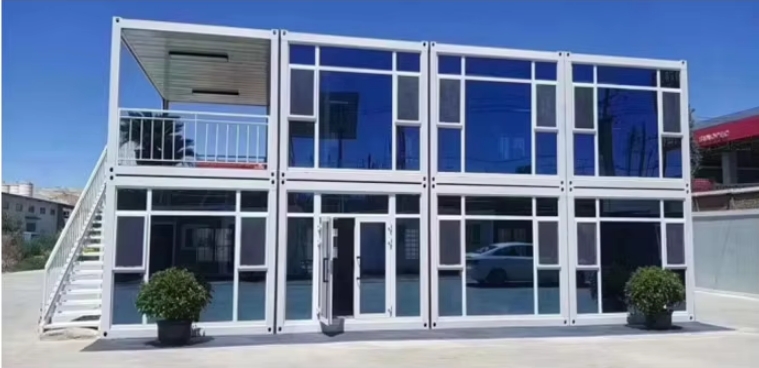
5 Common Mistakes When Preparing the Foundation for a Modular Home
Building a modular home is an exciting prospect, offering efficiency and often cost savings compared to traditional stick-built houses. However, the success of any modular home hinges critically on the preparation of its foundation. This isn't just a base; it's the anchor, the support system, and the first line of defense against environmental factors. To be honest, many homeowners and even some builders overlook the nuances of foundation preparation, leading to issues down the line. In my experience, a solid foundation is non-negotiable, and avoiding common pitfalls can save you significant time, money, and stress. Let's delve into five prevalent mistakes people make when preparing the foundation for a modular home.
1. Underestimating Site Assessment and Soil Conditions
Perhaps the most fundamental mistake is a superficial site assessment. Many believe that since the home is modular, the site preparation is straightforward. This couldn't be further from the truth. A thorough site assessment involves understanding not just the topography but also the underlying soil composition, drainage patterns, and potential for expansion or contraction. Ignoring these factors is a recipe for disaster.
The Importance of Soil Testing
Different soil types behave differently. Clay soils, for instance, can expand significantly when wet and shrink when dry, putting immense pressure on the foundation. Sandy soils might not offer adequate load-bearing capacity without proper stabilization. Many experts agree that failing to conduct a professional soil test is a primary error. This test reveals the soil's bearing capacity, its susceptibility to moisture, and any potential issues like high water tables or the presence of expansive clays. Without this data, choosing the wrong foundation type or design is almost guaranteed.
Drainage is Paramount
Proper drainage is another often-overlooked aspect of site assessment. Water pooling around the foundation can lead to hydrostatic pressure, erosion, and moisture intrusion into the home. A comprehensive assessment will identify existing drainage issues and plan for necessary grading, French drains, or other solutions to ensure water is directed away from the foundation. Failing to address drainage before pouring concrete or setting piers means you're building on a potential water trap.
2. Inadequate Foundation Design for the Chosen Modular Home
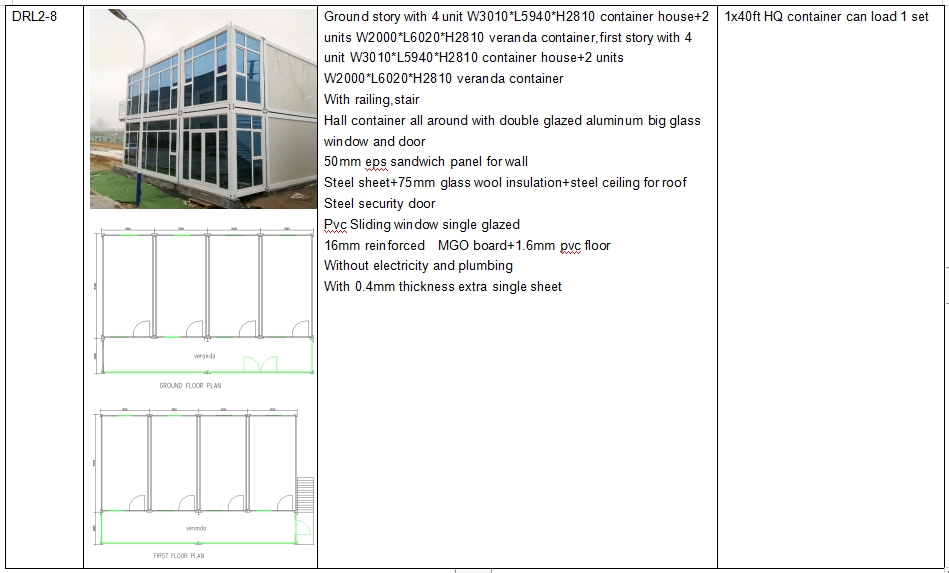
Modular homes are built off-site in controlled factory environments. This precision means they are designed to precise specifications. Consequently, the foundation must also be built to equally precise specifications to perfectly match the home's dimensions and load requirements. A common mistake is using a generic foundation design or one that doesn't account for the specific weight distribution and connection points of the modular units.
Mismatching Foundation Type to Home Weight
Modular homes can vary significantly in size and construction materials, directly impacting their weight. A lightweight ranch-style modular home will have different foundation requirements than a multi-story modular home. Using a foundation designed for a lighter structure for a heavier home can lead to settling, cracking, and structural instability. Conversely, over-engineering a foundation for a lighter home can be an unnecessary expense. It's crucial to consult the modular home manufacturer's specifications and work with a qualified engineer to design a foundation that can adequately support the specific model being installed.
Precision in Dimensions and Leveling
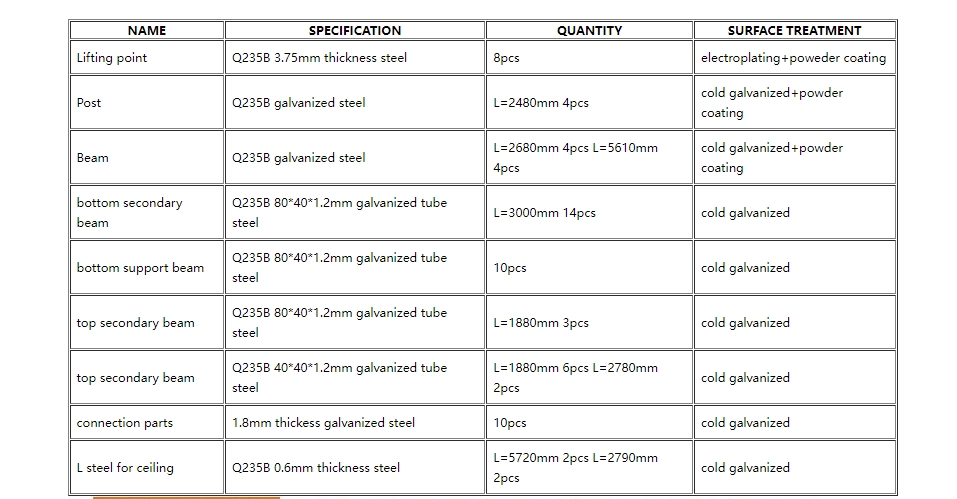
Modular homes are manufactured with tight tolerances. The foundation must mirror this precision. Any significant deviation in levelness, squareness, or dimensions can create problems during the installation process. Gaps between the home and the foundation, or uneven settling, can compromise the structural integrity, affect the sealing of the home, and lead to energy inefficiencies. Many builders fail to achieve the required level of accuracy, assuming the modular home can compensate for minor foundation imperfections. This is a dangerous assumption.
3. Neglecting Local Building Codes and Permitting
This is a mistake that can have serious legal and financial repercussions. Building codes exist for safety and structural integrity. Foundations, in particular, are heavily regulated. Many individuals, eager to expedite the process, might skip the necessary permitting or fail to adhere strictly to local building codes.
The Importance of Permits
Obtaining the correct permits ensures that your foundation design and construction plan have been reviewed and approved by local authorities. This review process often involves checks for structural soundness, compliance with zoning laws, and adherence to safety standards. Skipping this step can lead to costly rework, fines, or even the requirement to demolish and rebuild the foundation if it's found to be non-compliant. It's worth noting that modular home manufacturers often have specific foundation requirements that must align with local codes.
Understanding Code Requirements
Building codes dictate everything from the depth of footings and the type of concrete to be used, to the reinforcement required and the frost line depth. These requirements are based on local environmental conditions and building practices. A foundation that meets code in one region might be entirely inadequate in another. Failing to understand and implement these specific requirements is a significant oversight. Many experts agree that consulting with local building officials early in the planning process is essential.
4. Rushing the Curing Process of Concrete Foundations
For concrete foundations, the curing process is as critical as the mixing and pouring. Curing is the process by which concrete gains strength and durability through hydration. Many people mistakenly believe that once concrete is hard to the touch, it's ready for the modular home to be placed on it. This is a critical error that compromises the long-term strength of the foundation.
The Science of Curing
Concrete doesn't just "dry"; it undergoes a chemical reaction. This reaction, hydration, requires moisture. If concrete is allowed to dry out too quickly, the hydration process is incomplete, resulting in weaker, more brittle concrete. Rushing this process, especially in hot or windy conditions, can lead to surface cracking and reduced overall strength.
Adequate Time for Strength Development
The time required for concrete to reach sufficient strength varies depending on the mix design, ambient temperature, and humidity. However, a general rule of thumb is that concrete needs at least 7 days to achieve a significant portion of its designed strength, and full strength can take up to 28 days or even longer. Placing a heavy modular home on a foundation that hasn't fully cured can cause premature stress, cracking, and settling. Patience during this phase is vital for a robust and long-lasting foundation.
5. Poor Planning for Utility Connections
While not strictly a structural element of the foundation itself, the planning for utility connections is intrinsically linked to foundation preparation. Many overlook the need to pre-plan and correctly position openings or conduits for water, sewer, electrical, and gas lines.
The Cost of Retrofitting
Having to cut into a newly poured and cured foundation to add utility access points is not only expensive but also compromises the structural integrity of the foundation. It introduces weak points and can be time-consuming and messy. A well-prepared foundation will have designated sleeves or openings precisely where they are needed, based on the home's layout and the utility provider's requirements.
Coordination with Manufacturers and Utilities
This requires careful coordination between the modular home manufacturer (who dictates where internal connections will be), the utility companies (who have specific requirements for external connections), and the foundation contractor. Failing to have these conversations early in the planning stages can lead to significant headaches and unexpected costs once the home is on-site. Interestingly enough, this is often a point of contention and delay in modular home projects.
Preparing the foundation for a modular home is a critical phase that demands attention to detail, adherence to best practices, and thorough planning. By understanding and avoiding these five common mistakes – inadequate site assessment, improper foundation design, neglecting codes, rushing concrete curing, and poor utility planning – you can lay the groundwork for a stable, durable, and beautiful modular home that will stand the test of time.
For more detailed information, please visit our official website:modular home foundation
About the author: An experienced construction consultant specializing in modular home projects. With over 15 years in the field, they have a deep understanding of foundation engineering and best practices for off-site construction. Their expertise lies in identifying potential pitfalls and guiding clients toward successful, long-lasting builds.