Prefab Houses: Your Guide to Modern, Sustainable, and Affordable Living
Have you ever wondered if there's a faster, more efficient, and perhaps even more beautiful way to build your dream home? In today's fast-paced world, traditional construction methods can often feel slow, costly, and prone to delays. This is where the concept of the prefab house, or prefabricated house, steps in, offering a compelling alternative that's gaining significant traction. Frankly speaking, the idea of a home built off-site and assembled on-location might sound futuristic, but it's a reality that's transforming the housing market.
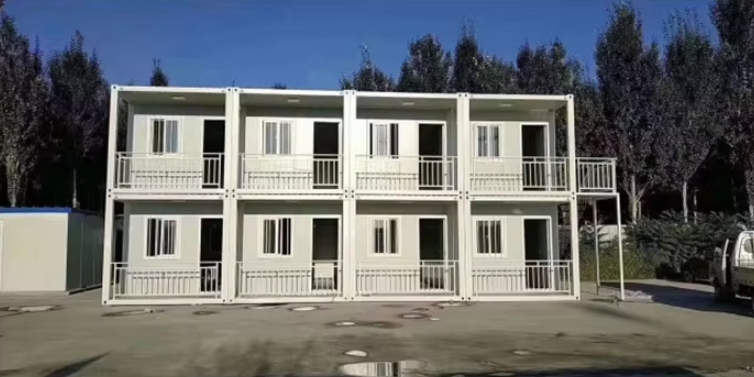
A prefab house is essentially a dwelling that is manufactured in a factory setting, in sections or modules, before being transported to its final building site for assembly. This controlled environment allows for greater precision, quality control, and a significant reduction in construction time compared to on-site building. It's worth noting that the term "prefab" often gets confused with "mobile homes" or "manufactured homes," but modern prefab homes are a far cry from their predecessors, offering sophisticated designs, high-quality materials, and architectural flexibility.
The Undeniable Advantages of Prefabricated Homes
So, why are so many people turning to prefab houses for their housing needs? The benefits are numerous and, to be honest, quite persuasive. Let's dive into some of the most significant advantages.
Speed and Efficiency
One of the most attractive aspects of a prefab house is the speed of construction. Because the building process happens simultaneously in a factory and on your site (preparing the foundation), the overall timeline is drastically reduced. While a traditional home might take 6-12 months or even longer, a prefab home can often be ready for occupancy in a matter of months. This means less waiting, less disruption, and quicker access to your new home.
Cost-Effectiveness
While not always cheaper upfront than the most basic traditional builds, prefab houses often prove more cost-effective in the long run. The factory setting minimizes waste, reduces labor costs due to efficiency, and shields the construction process from weather delays, which can significantly inflate budgets. Many experts agree that the predictability of costs with prefab is a major draw for budget-conscious buyers.
Superior Quality Control
Building in a controlled factory environment means that every step of the construction process is meticulously monitored. Materials are protected from the elements, and skilled workers can focus on precision without the usual on-site challenges. This leads to a higher quality finished product, with fewer defects and a more durable structure.
Sustainability and Reduced Waste
Prefabrication is inherently more sustainable. Factories are designed to optimize material usage, resulting in significantly less construction waste compared to traditional methods. Furthermore, the controlled environment allows for better insulation and airtightness, leading to more energy-efficient homes that reduce your carbon footprint and lower utility bills over time. This is a major selling point for environmentally conscious buyers.
Design Flexibility and Customization
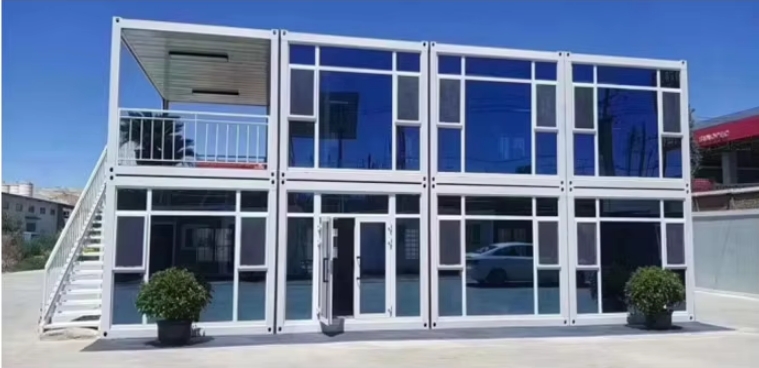
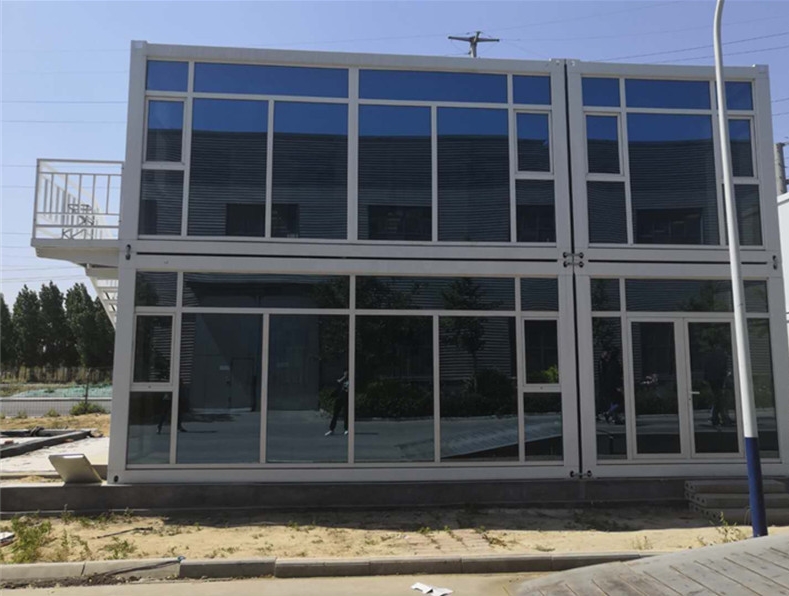
Gone are the days when prefab meant a cookie-cutter design. Today, prefab home manufacturers offer a vast array of architectural styles, floor plans, and customization options. From minimalist modern designs to more traditional aesthetics, you can often tailor your prefab house to your specific tastes and needs. This level of personalization ensures that your prefab home is uniquely yours.
Exploring Different Types of Prefab Homes
The term "prefab house" is quite broad, encompassing several distinct categories. Understanding these differences can help you narrow down your search and find the best fit for your lifestyle and location.
Modular Homes
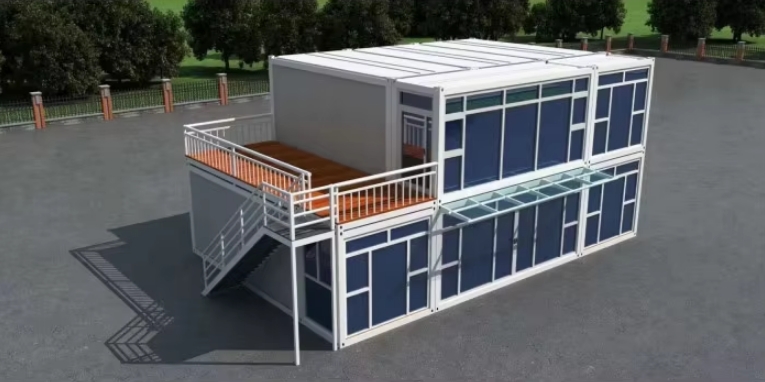
Modular homes are perhaps the most sophisticated type of prefab. They are built in "modules" or sections in a factory, transported to the site, and then assembled like a puzzle. These homes are built to meet or exceed local building codes and are often indistinguishable from site-built homes. They offer the highest degree of design flexibility and can be quite luxurious.
Panelized Homes
In this method, wall panels, roof trusses, and floor sections are manufactured off-site. These components are then transported to the building site and assembled by a construction crew. Panelized construction is generally faster than traditional building but may offer slightly less design freedom than fully modular homes.
Kit Homes
Kit homes are essentially pre-cut building materials delivered to your site. You receive all the necessary components, along with detailed instructions, and you or your chosen builder are responsible for the on-site assembly. This option can be more affordable but requires more hands-on involvement.
Manufactured Homes
Often referred to as mobile homes, manufactured homes are built entirely in a factory on a permanent chassis and then transported to their site. They are built to a federal standard (HUD Code) rather than local building codes. While they can be a very affordable housing solution, their design and customization options are typically more limited compared to modular homes.
The Process of Buying and Building a Prefab House
Embarking on the journey of building a prefab house is an exciting process, but it's essential to understand the steps involved. In my experience, a little preparation goes a long way.
Step 1: Research and Choose a Manufacturer
The first crucial step is to research reputable prefab home manufacturers. Look for companies with a strong track record, positive customer reviews, and designs that appeal to you. Consider visiting their factory if possible to get a firsthand look at their quality and processes.
Step 2: Design and Customization
Once you've selected a manufacturer, you'll work with their design team to choose a floor plan and customize it to your needs. This is where you select finishes, fixtures, and any structural modifications you might want. This collaborative phase is key to ensuring your prefab house truly reflects your vision.

Step 3: Site Preparation
While your home is being built in the factory, you'll need to prepare your building site. This typically involves obtaining permits, clearing the land, and constructing a foundation. It's vital that the foundation is built to the exact specifications provided by the manufacturer to ensure a seamless assembly.
Step 4: Factory Production
Your home's modules or panels will be constructed in the factory under strict quality control. You may have opportunities to visit the factory during this stage to see your home taking shape.
Step 5: Transportation and Assembly
Once completed, the modules are transported to your site. A specialized crew will then assemble them on the prepared foundation. This is often the most dramatic part of the process, with a structure appearing quite rapidly.
Step 6: Final Touches and Inspection
After assembly, utility connections are made, and any finishing touches are completed. The home will then undergo final inspections to ensure it meets all building codes and your satisfaction.
Common Misconceptions About Prefab Homes
Despite their growing popularity, prefab houses still face some common misconceptions. Let's address a few of them.
Misconception 1: Prefab Homes are Low-Quality
As mentioned earlier, modern prefab homes are built to exacting standards in controlled environments. Many are built with superior materials and craftsmanship than what's often achievable on a traditional job site. They are designed to be durable and long-lasting.
Misconception 2: Prefab Homes Lack Architectural Appeal
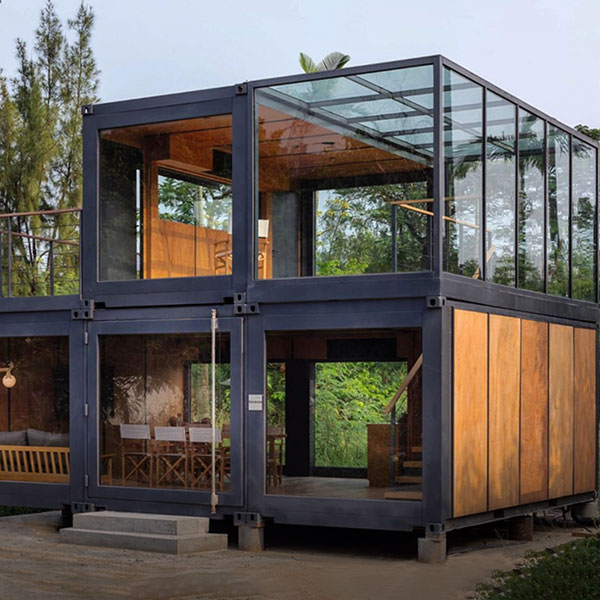
This couldn't be further from the truth today. Architects are increasingly designing stunning, contemporary prefab homes that rival any custom-built residence. The design possibilities are virtually limitless, from sleek modern boxes to charming cottages.
Misconception 3: Prefab Homes are Difficult to Finance or Insure
While historically this might have been a challenge, it's becoming less of an issue. Many lenders and insurance companies now recognize the quality and value of modern prefab homes, particularly modular constructions. It's always best to discuss financing and insurance options with your chosen manufacturer and your financial institutions early in the process.
Is a Prefab House Right for You?
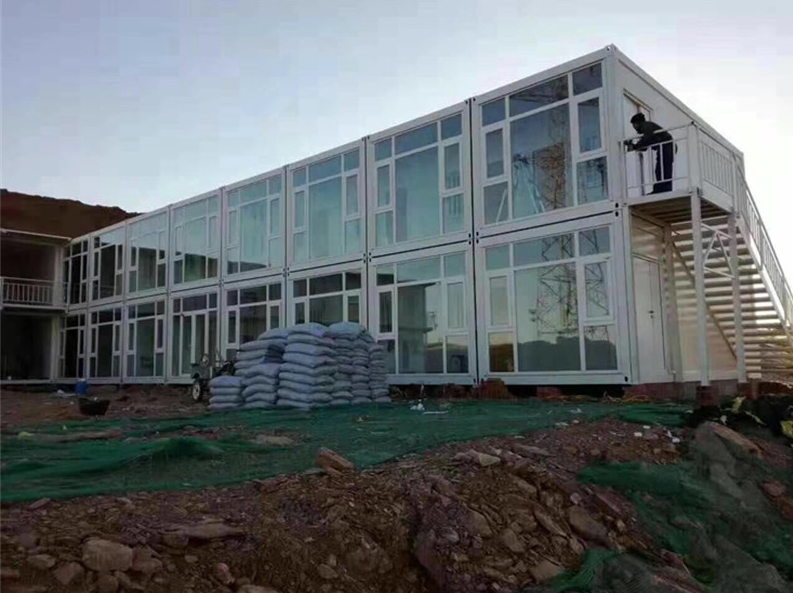
Deciding on the right type of home is a significant decision. If you value speed, efficiency, quality control, sustainability, and design flexibility, then a prefab house is definitely worth serious consideration. They offer a modern, intelligent approach to homeownership that can provide significant advantages over traditional construction. Have you considered the benefits of a prefab home for your next build?
The future of housing is here, and it's increasingly prefabricated. With their blend of innovation, affordability, and sustainability, prefab houses are poised to play an even larger role in shaping how we live.
For more detailed information, please visit our official website:prefab house
About the author: Alex Chen is a seasoned housing industry analyst with over a decade of experience exploring innovative construction methods. He is passionate about sustainable living and affordable housing solutions, frequently writing about the benefits and practicalities of modern prefab homes. Alex believes that well-designed prefab houses offer a smart and accessible path to homeownership for a diverse range of individuals and families.