Container Homes: The Sustainable and Stylish Future of Housing
The housing market is constantly evolving, and frankly speaking, finding affordable, sustainable, and stylish living solutions can feel like a never-ending quest. Enter the humble shipping container. Once relegated to the docks and cargo ships, these robust steel boxes are now being transformed into incredibly versatile and desirable homes. Container homes are not just a trend; they represent a significant shift in how we think about construction, sustainability, and personal living spaces. Have you ever wondered if a repurposed shipping container could be your next dream home?
In my experience, the initial reaction to the idea of living in a shipping container can range from skepticism to outright fascination. However, as more people explore this innovative approach to housing, the benefits become increasingly apparent. From their inherent durability and eco-friendly credentials to their surprisingly chic aesthetic possibilities, container homes are proving to be a compelling alternative to traditional construction methods. Let's dive deep into what makes these structures so special.
The Allure of Shipping Container Homes: Why the Buzz?
So, what exactly makes shipping container homes so appealing? It boils down to a few key factors that resonate with modern homeowners and environmentally conscious individuals alike.
Unmatched Affordability
One of the most significant draws of container homes is their cost-effectiveness. Compared to conventional building materials and labor, purchasing and modifying used shipping containers can drastically reduce the overall construction budget. While the price of containers can fluctuate based on condition and demand, they generally offer a substantial saving. This makes owning a home a more attainable reality for many, especially in areas with high real estate prices. It's worth noting that the savings extend beyond the initial build; the inherent strength of steel can also lead to lower insurance premiums.
Sustainability at its Core
In an era where environmental concerns are paramount, the sustainability aspect of container homes is a major selling point. Repurposing shipping containers diverts them from landfills, giving them a new, productive life. This process significantly reduces the demand for new building materials, which often have a substantial carbon footprint associated with their production and transportation. Many container home builders also incorporate eco-friendly insulation, energy-efficient windows, and solar power systems, further enhancing their green credentials. This commitment to recycling and minimizing waste is a powerful statement for those seeking a more sustainable lifestyle.

Durability and Resilience
Shipping containers are engineered to withstand harsh marine environments, meaning they are incredibly strong and durable. They are built to be stacked high, resist extreme weather conditions, and endure significant stress. This inherent robustness translates directly into a long-lasting and resilient home structure. They are resistant to pests, mold, and fire, offering a level of security and peace of mind that traditional wood-frame homes might not always provide. Frankly speaking, the structural integrity of a well-modified container is exceptional.
Designing Your Dream Container Home: Beyond the Box
The "box" nature of a shipping container might initially seem limiting, but designers and architects have proven that creativity knows no bounds when it comes to container home design. The modularity of containers allows for incredible flexibility in layout and expansion.
Modular Versatility and Customization
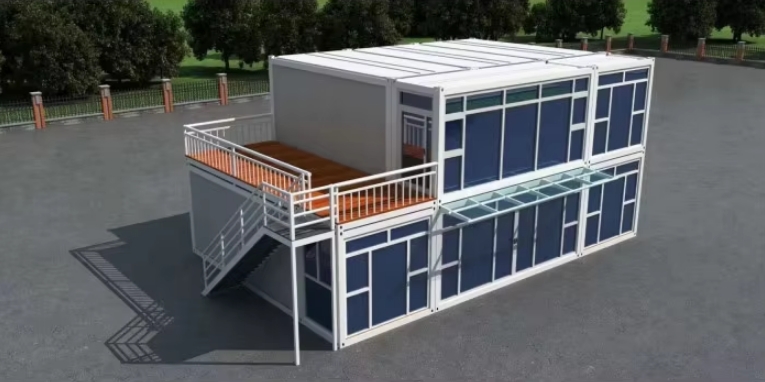
One of the most exciting aspects of container homes is their modular nature. You can start with a single container and expand by adding more units, stacking them, or placing them side-by-side. This allows for a highly customizable living space that can grow with your needs. Want a spacious open-plan living area? Combine two containers. Need extra bedrooms or a home office? Add another. The possibilities are vast, enabling you to create a unique dwelling that perfectly suits your lifestyle. Many experts agree that this adaptability is a key advantage over traditional building.
Aesthetic Possibilities
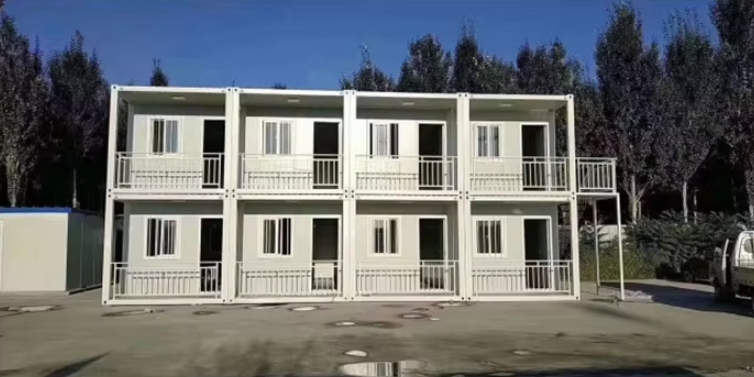
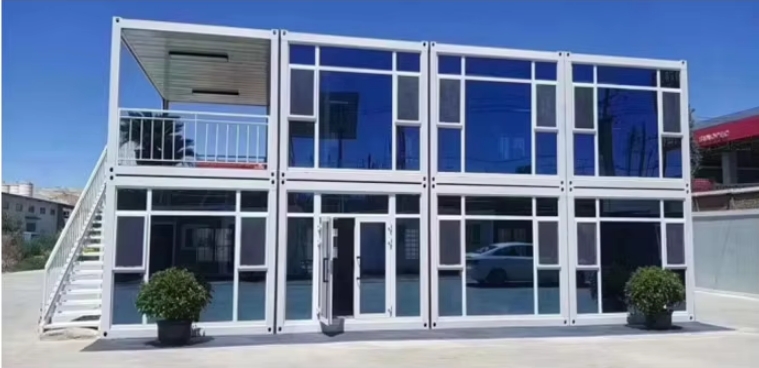
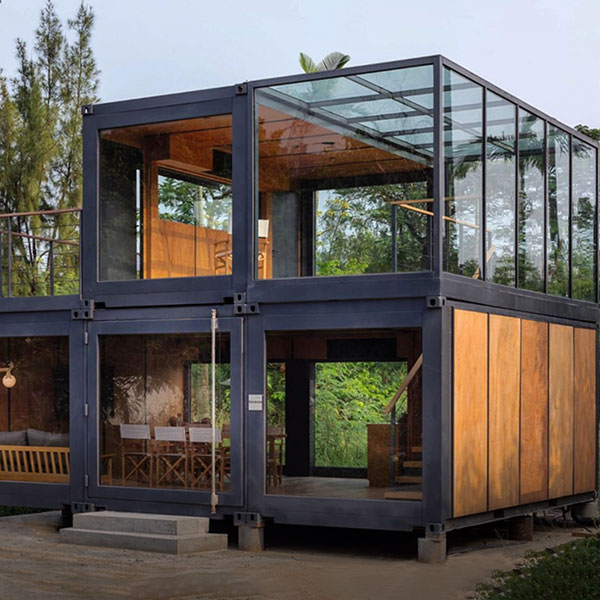
Far from being industrial-looking, container homes can be transformed into stunning architectural statements. With the right design, cladding, and finishing touches, they can be indistinguishable from, or even surpass, the aesthetic appeal of conventional homes. Large windows, sliding glass doors, rooftop decks, and creative landscaping can all contribute to a beautiful and inviting living environment. The raw, industrial charm can also be embraced, creating a unique, edgy aesthetic that many find appealing.
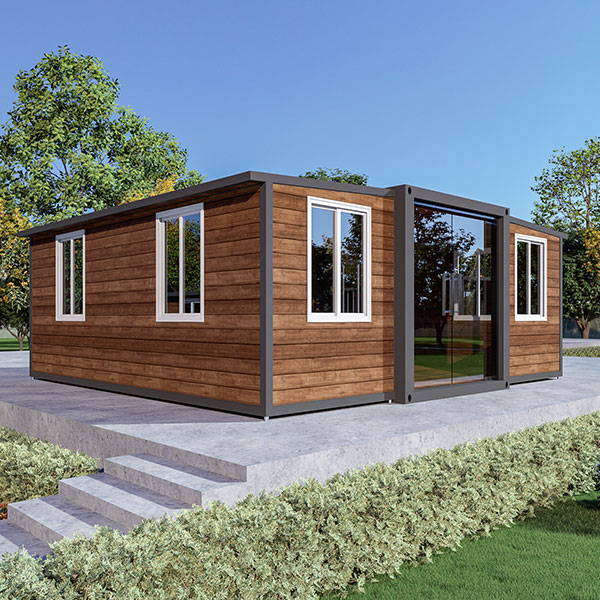
Innovative Interior Layouts
The interior of a container home can be just as innovative as its exterior. Clever design can maximize space and create functional, comfortable living areas. Think about:
- Open-plan living, dining, and kitchen areas that flow seamlessly.
- Multi-functional furniture and built-in storage solutions.
- Strategic placement of windows and skylights to enhance natural light and ventilation.
- Creative use of materials to add warmth and personality.
It's worth noting that proper insulation and ventilation are crucial for comfort, and modern techniques ensure these are addressed effectively.
The Process of Building a Container Home
Embarking on the journey of building a container home involves several key steps, from sourcing your containers to the final finishing touches.
Sourcing Your Containers
The first step is acquiring your shipping containers. You can purchase new "one-trip" containers (which have only made one journey) or used containers. Used containers are generally more affordable but may require more refurbishment. It's essential to inspect them thoroughly for rust, structural damage, and any previous hazardous materials. Many specialized companies now sell containers specifically for building purposes, often pre-inspected and ready for modification.
Design and Permitting
Once you have your containers, the design phase begins. This is where you'll work with architects or designers to plan your layout, window and door placements, and utility connections. Crucially, you'll need to navigate the local building codes and obtain the necessary permits. This can sometimes be a hurdle, as some municipalities are still catching up with the popularity of container architecture. Being prepared with a solid plan and understanding local regulations is key.
Modification and Construction
This is where the magic happens. Containers are cut, welded, insulated, and fitted with doors, windows, plumbing, and electrical systems. The process is akin to traditional construction but utilizes the pre-fabricated steel shell as the foundation. Many people opt for prefabricated container modules from specialized manufacturers to streamline this process.
Finishing Touches
The final stage involves interior and exterior finishing. This includes painting, flooring, cabinetry, and landscaping. This is where you truly personalize your container home and make it your own.
Challenges and Considerations
While the benefits are numerous, it's important to be aware of potential challenges when considering container homes.
Permitting and Zoning Hurdles
As mentioned, local zoning laws and building codes can sometimes be a challenge. Some areas may not have specific regulations for container homes, leading to lengthy approval processes or outright rejection. Researching your local regulations thoroughly before you begin is paramount.
Insulation and Climate Control
Steel is a conductor of heat, so proper insulation is absolutely critical for comfort and energy efficiency. Without adequate insulation, a container home can become very hot in the summer and very cold in the winter. Modern insulation techniques, such as spray foam or rigid foam boards, are highly effective.
Potential for Rust and Maintenance
While durable, shipping containers are susceptible to rust, especially if they have been exposed to salt water. It's essential to ensure containers are properly treated and maintained to prevent rust from becoming an issue. Regular inspections and touch-ups can prolong the life of your container home.
Resale Value
The resale market for container homes is still developing. While unique and desirable, their long-term resale value might not be as predictable as traditional homes in all markets. However, as the concept gains wider acceptance, this is likely to change.
The Future of Container Homes
Container homes are more than just a novel housing solution; they represent a forward-thinking approach to construction that prioritizes sustainability, affordability, and innovative design. As technology advances and more people embrace modular living, we can expect to see even more creative and practical applications of this versatile building material. From affordable housing projects to luxury eco-resorts, the potential of container homes is immense. It's an exciting time to be considering this unique path to homeownership.
For more detailed information, please visit our official website:container homes
About the author: Alex Chen is a seasoned architect with a passion for sustainable and innovative building solutions. With over a decade of experience in modular construction and eco-friendly design, Alex has been instrumental in advocating for and realizing the potential of container homes. His expertise lies in transforming unconventional materials into functional, beautiful, and affordable living spaces that benefit both people and the planet.