Container House Revolution: Sustainable Living, Modern Design, and Your Dream Home
The concept of living in a repurposed shipping container might sound unconventional, but frankly speaking, it's rapidly transforming the landscape of modern architecture and sustainable living. What was once a niche idea is now a full-blown movement, offering innovative, eco-friendly, and often surprisingly affordable housing solutions. A container house isn't just a dwelling; it's a statement about resourcefulness, design flexibility, and a commitment to a greener future. Have you ever wondered if a robust steel box could truly become your cozy abode? The answer is a resounding yes, and the possibilities are far more extensive than you might imagine.
Why Choose a Container House? Unpacking the Advantages
The appeal of a container house stems from a compelling blend of practicality and forward-thinking design. One of the most significant draws is their inherent sustainability. These containers, originally designed for global transport, often find a second life, diverting waste from landfills. This upcycling aspect is a huge win for the environment. Beyond eco-friendliness, the construction process for container homes can be remarkably faster than traditional builds. Because the basic structure is already in place, much of the heavy lifting and framing is eliminated, leading to quicker project completion times.
Furthermore, the modular nature of shipping containers offers incredible design flexibility. Whether you envision a compact, single-container studio or a sprawling multi-container mansion, the building blocks are readily available. This adaptability makes them suitable for a wide range of needs, from backyard offices and guest houses to primary residences and even multi-unit developments.
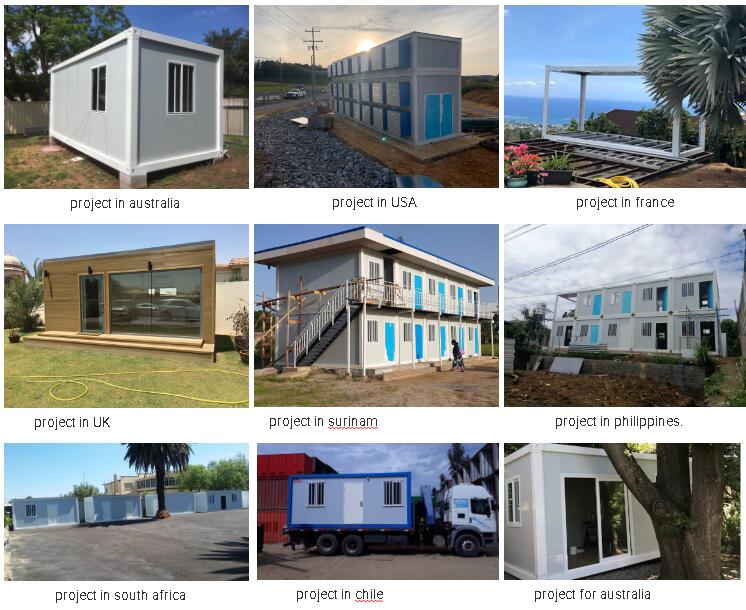
Cost-effectiveness is another major factor. While the final price can vary significantly based on customization and location, the initial purchase of used shipping containers is generally lower than traditional building materials. This can translate into substantial savings, making homeownership more accessible. It's worth noting, however, that the "affordable" aspect often depends on the level of finishing and the complexity of the design.
The Design Potential: Beyond the Box
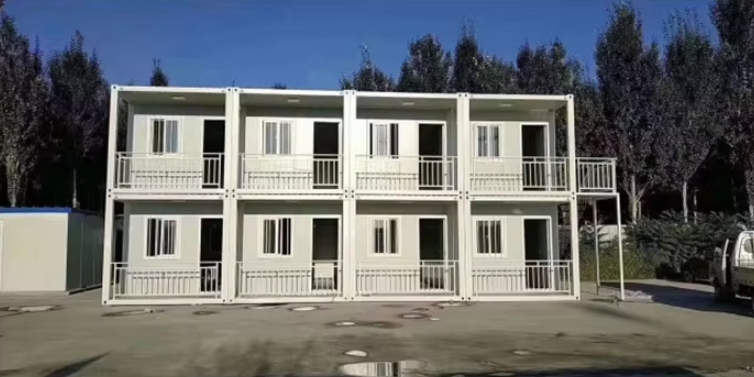
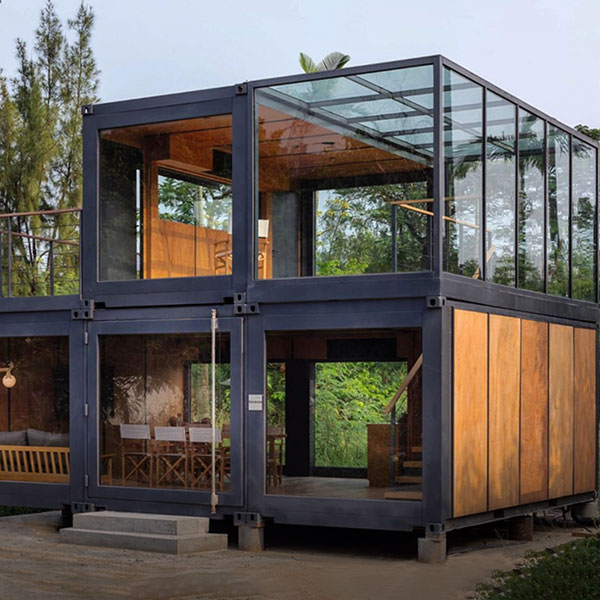
When you picture a shipping container, you might think of a stark, industrial aesthetic. However, the reality of modern container house design is far more sophisticated and diverse. Architects and designers are pushing the boundaries, transforming these utilitarian structures into visually stunning and highly functional living spaces. The exterior can be clad in a variety of materials – wood, metal panels, stucco – to blend seamlessly with any environment or to create a bold, contemporary statement.
Creating Open and Airy Interiors
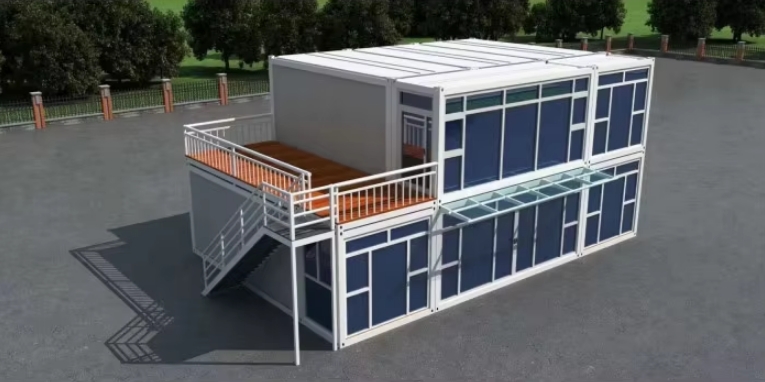
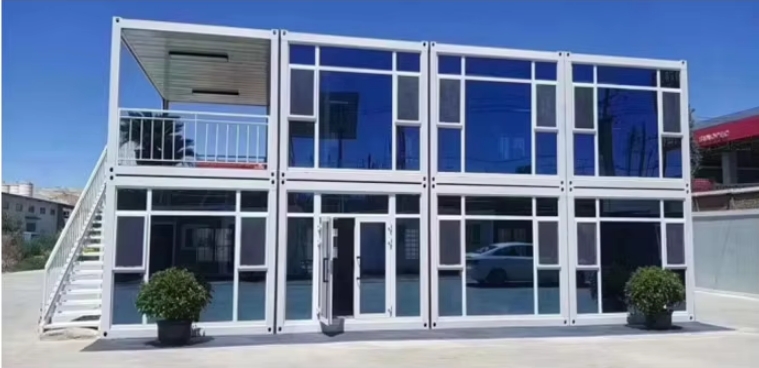
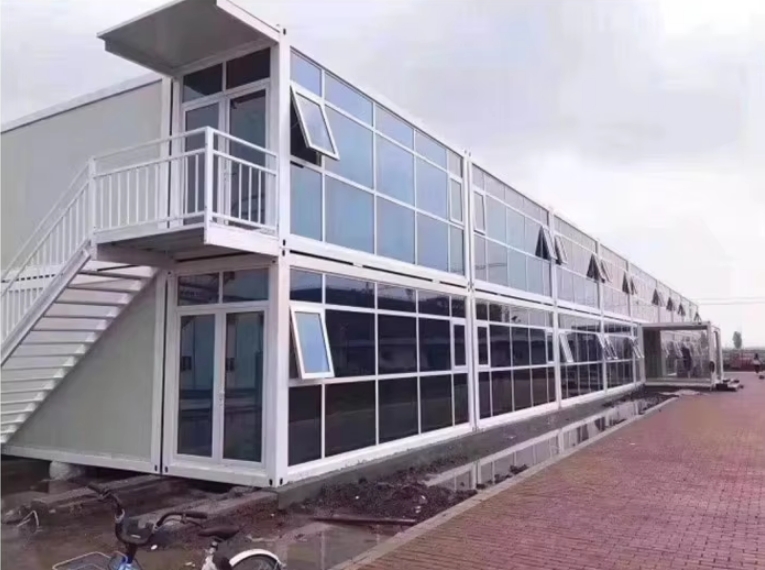
One of the initial concerns for many is the perceived confinement of a container's interior. However, clever design strategies effectively overcome this. By combining multiple containers, architects can create expansive open-plan living areas. Large windows and sliding glass doors are frequently incorporated to maximize natural light and connect the interior with the outdoors, making the space feel much larger and more inviting.
It's interesting to note how much natural light can transform a space. In my experience, well-placed skylights and strategically sized openings can make even smaller container units feel airy and bright. The structural integrity of the containers also allows for significant modifications, such as removing entire walls between units to create a more fluid layout.
Innovative Features and Finishes
The interior finishes of a container house can range from minimalist and industrial chic to warm and cozy. Think polished concrete floors, exposed steel beams contrasted with natural wood accents, and custom cabinetry. Insulation is, of course, crucial. Modern techniques ensure that container homes are as comfortable and energy-efficient as any traditional home, protecting against extreme temperatures. Many builders also integrate smart home technology, energy-efficient appliances, and sustainable materials to further enhance the living experience.
The Practicalities: Building Your Container Home
Embarking on the journey to build a container house involves several key considerations. The first step is often acquiring the containers themselves. New "one-trip" containers are available, offering a pristine starting point, but used containers are more common for budget-conscious projects. It's vital to inspect used containers thoroughly for rust, structural damage, or residual chemical contamination from their previous cargo. Reputable suppliers will often certify their containers for habitation.
Foundation and Site Preparation
Like any home, a container house requires a solid foundation. This can range from simple concrete piers to a full slab, depending on the site, climate, and local building codes. Site preparation involves ensuring the land is level and accessible for construction equipment. The containers are then typically transported to the site and craned into place.
Permits and Regulations
This is an area where many aspiring container home owners encounter hurdles. Building codes and zoning regulations can vary significantly by municipality. Some areas are more progressive and have specific guidelines for modular or alternative housing, while others may be less familiar with container construction. It's absolutely essential to research and obtain all necessary permits before beginning any construction. Consulting with local building officials early in the planning process is highly recommended. Many experts agree that proactive communication with the authorities can smooth out the entire approval process.
Insulation and Climate Control
Proper insulation is paramount for comfort and energy efficiency in a container home. Steel is a conductor of heat and cold, so a robust insulation system is non-negotiable. Spray foam insulation is a popular choice as it seals effectively and provides a high R-value. Other options include rigid foam boards or batt insulation, often combined with interior framing to create a thermal break. Ventilation systems, such as heat recovery ventilators (HRVs) or energy recovery ventilators (ERVs), are also important for maintaining healthy indoor air quality and managing humidity.
Long-Term Viability and Maintenance
When considering a container house, it's natural to think about its longevity and upkeep. Frankly speaking, a well-built and properly maintained container home can last just as long as, if not longer than, a traditional stick-built house. The steel structure is inherently durable and resistant to pests and rot.
Maintenance primarily involves ensuring the exterior protective coatings are in good condition to prevent rust, especially in coastal or humid environments. Regular inspections of seals around windows and doors, as well as the roof (if one is added), are also important. The internal systems – plumbing, electrical, HVAC – will require the same maintenance as in any other home.
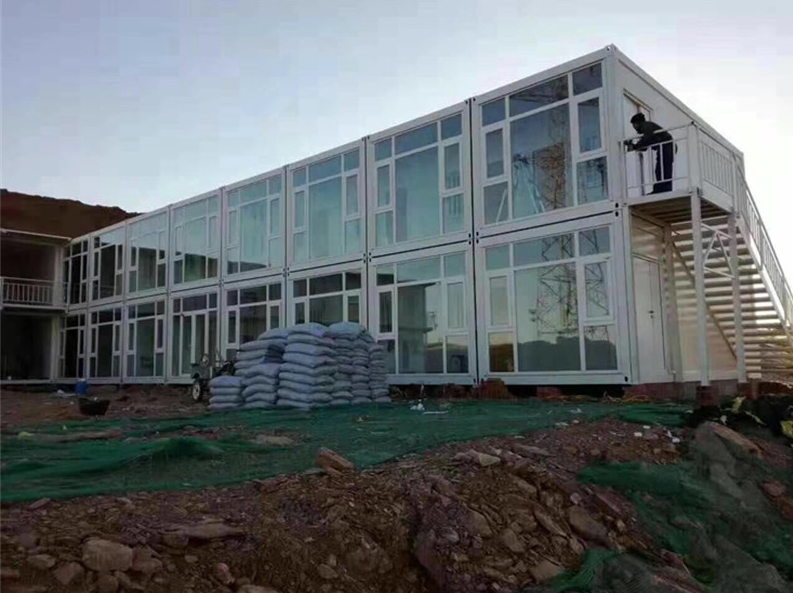
Interestingly enough, the simplicity of the core structure can sometimes make repairs more straightforward. Replacing a damaged section of a container or its cladding can be a more localized and manageable task compared to extensive structural repairs in a traditional home.
The Future of Container Living
The container house movement is more than just a fleeting trend; it represents a significant shift towards more sustainable, adaptable, and accessible housing. As urban populations grow and the demand for affordable housing intensifies, the innovative solutions offered by container architecture will become increasingly relevant. We're seeing a rise in container-based developments, from single-family homes to student housing and even emergency shelters.
The combination of eco-consciousness, design freedom, and potential cost savings makes the container house an attractive option for a growing number of people. Whether you're looking for a minimalist retreat, a family home, or a unique commercial space, the humble shipping container offers a robust and inspiring foundation. It's an exciting time to explore what's possible when we reimagine the building blocks of our world. What innovative uses for container homes have you seen or imagined?
For more detailed information, please visit our official website:Container house
About the author: Alex Chen is a seasoned architect and sustainable building consultant with over a decade of experience in innovative housing solutions. He is passionate about exploring the potential of alternative construction methods, including the transformative capabilities of container architecture. Alex believes in creating beautiful, functional, and environmentally responsible living spaces for everyone.