What’s the Average Cost of a Container Home? (2024 Breakdown + Hidden Costs)
So, you’re curious about **what’s the average cost of a container home**? You’re not alone. With housing prices skyrocketing and sustainability becoming a priority, shipping container homes have exploded in popularity. But here’s the thing: while they *can* be cheaper than traditional homes, the price tag isn’t always as straightforward as it seems.
I’ve spent years researching and consulting on container home projects, and let me tell you—**the average cost ranges from $25,000 to $250,000+**, depending on a *lot* of factors. In this guide, I’ll break down:
- The real cost of container homes (not just the hype)
- Where most people overspend (and how to avoid it)
- DIY vs. turnkey options—what’s right for you?
- Hidden costs that’ll sneak up on you
By the end, you’ll know exactly what to budget for—and whether a container home is the smart financial move for you.
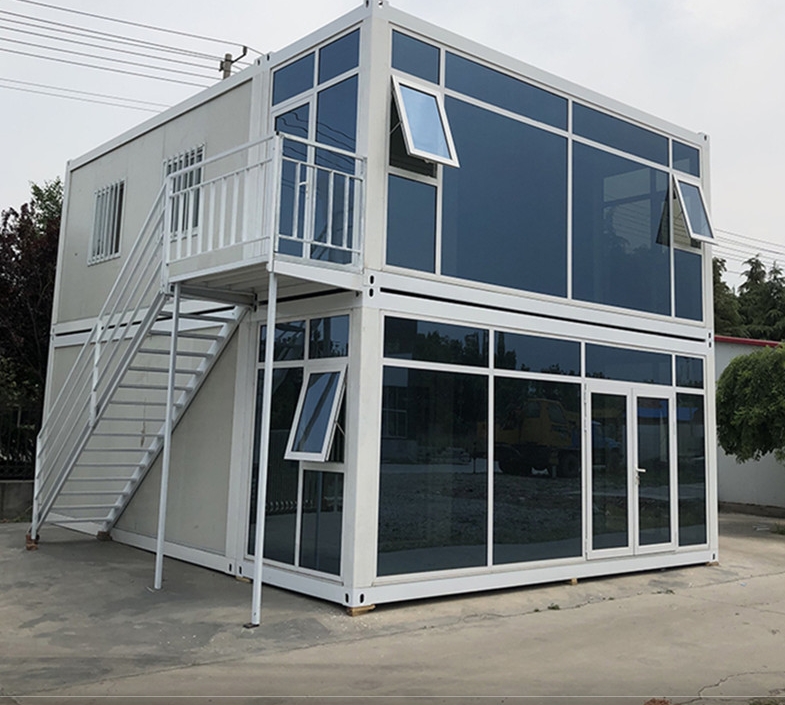
1. The Real Average Cost of a Container Home (By Size & Type)
Let’s cut to the chase: **the average cost of a container home** varies *wildly* based on size, materials, and location. Here’s a realistic breakdown for 2024:
Small (1-2 Containers: 160–320 sq ft)
Perfect for tiny homes, guest houses, or off-grid cabins.
- Basic (DIY, minimal finishes): $25,000–$50,000
- Mid-range (professional build, decent amenities): $50,000–$80,000
- Luxury (high-end finishes, smart home tech): $80,000–$120,000
Example: A single 40-foot container converted into a studio with a kitchenette, bathroom, and loft bed typically costs **$40,000–$60,000** if you hire pros.
Medium (3–4 Containers: 600–1,200 sq ft)
Ideal for small families or full-time living.
- Basic: $80,000–$120,000
- Mid-range: $120,000–$180,000
- Luxury: $180,000–$250,000+
Example: A 3-container home with 2 bedrooms, 1.5 baths, and a modern kitchen in Texas? Expect to pay **$150,000–$200,000** for a turnkey build.
Large (5+ Containers: 1,500+ sq ft)
For spacious family homes or multi-unit properties.
- Basic: $150,000–$200,000
- Mid-range: $200,000–$300,000
- Luxury: $300,000–$500,000+
Example: A 2,000 sq ft, 4-bedroom container home in California with solar panels and premium insulation? **$350,000–$450,000** isn’t uncommon.
Pro Tip: Container homes cost **$100–$300 per square foot** on average—compare that to traditional homes at **$150–$500/sq ft**, and you see the potential savings. But (and this is a big but), **location and labor can blow your budget fast**. More on that next.
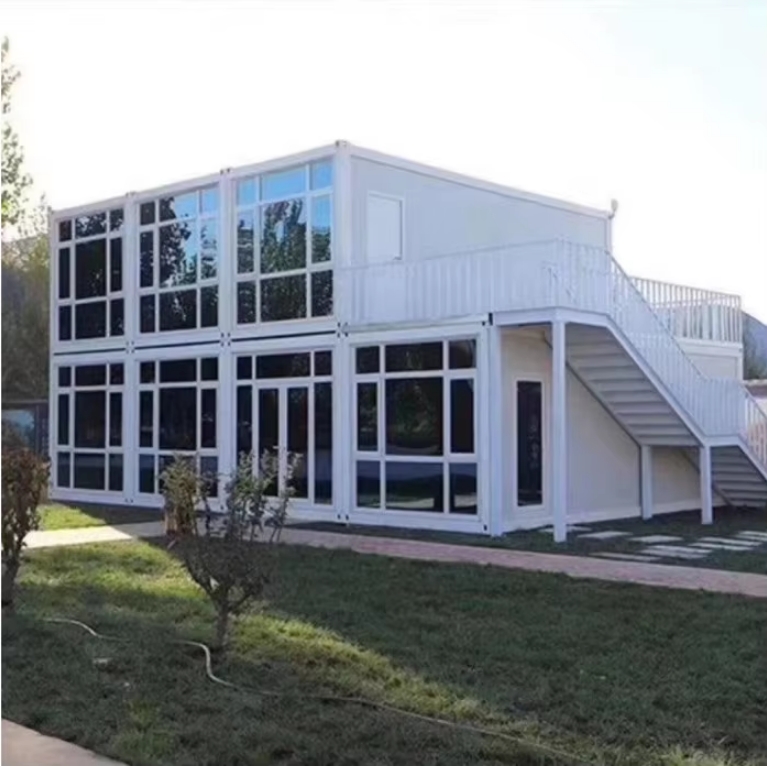
2. 7 Hidden Costs That’ll Surprise You (And How to Avoid Them)
Here’s where most people get tripped up. You budget $50,000 for your container home, but suddenly you’re staring at a $80,000 invoice. Why? **Hidden costs.** Let’s expose them:
1. Land & Permits ($5,000–$50,000+)
You can’t just plop a container home anywhere. Zoning laws, building permits, and land costs vary *dramatically* by state. For example:
- Rural Texas? Land might be **$10,000/acre**.
- Near Los Angeles? **$200,000+ for a small lot**.
- Permits alone can cost **$2,000–$15,000** depending on local rules.
How to save: Research counties with container-friendly codes (like Travis County, TX, or parts of Oregon). Some areas even offer **tax breaks for eco-friendly builds**!
2. Foundation ($5,000–$20,000)
Containers need a solid foundation—**concrete slabs, piers, or helical piles**—to prevent shifting. Skipping this? Risk structural damage (and a very unhappy inspector).
3. Insulation & Climate Control ($3,000–$15,000)
Metal containers are **oven-hot in summer and freezing in winter** without proper insulation. Spray foam, rigid panels, or even **earth-berming** (burying part of the home) add up.
I’ve seen DIYers use recycled denim insulation to cut costs—works surprisingly well!
4. Plumbing & Electrical ($10,000–$30,000)
Running water, sewage, and wiring in a metal box isn’t plug-and-play. Off-grid systems (composting toilets, solar panels) can save money long-term but require upfront investment.
5. Container Modifications ($5,000–$25,000)
Cutting windows, reinforcing walls, and adding doors weakens the structure. You’ll need **steel beams or additional framing**, which adds labor costs.
6. Delivery & Cranes ($2,000–$10,000)
Shipping a container to your site? **$1,000–$5,000** depending on distance. Need a crane to place it? **$1,500–$5,000 per day**.
7. Interior Finishes ($20,000–$100,000)
Drywall, flooring, cabinets—these “extras” eat up budgets. **IKEA hacks and salvaged materials** can slash costs by 30–50%.
Ask yourself: *Are you prepared for these surprises, or should you pad your budget by 20–30%?* Most pros recommend the latter.
3. DIY vs. Turnkey Container Homes: Which Saves More?
This is the million-dollar question (or rather, the $50,000 question). Let’s compare:
DIY Container Home ($25,000–$80,000)
Pros:
- Save **30–50%** on labor costs.
- Full creative control (want a shipping container treehouse? Go for it!).
- Learn valuable skills (welding, plumbing, etc.).
Cons:
- Time-consuming (6–18 months for beginners).
- Mistakes = costly fixes (e.g., improper insulation = mold).
- Permits and inspections can be harder to navigate solo.
Reality check: If you’ve never swung a hammer, DIY might cost *more* in the long run. **Start small**—try a container guest house first.
Turnkey Container Home ($80,000–$300,000+)
Pros:
- Move-in ready in **3–6 months**.
- Warranties and professional guarantees.
- Less stress (no midnight YouTube tutorials on electrical wiring).
Cons:
- Higher upfront cost (labor is **40–60% of the total price**).
- Less customization (some builders use cookie-cutter designs).
Best for: Busy professionals, families, or anyone who wants a **hassle-free** home.
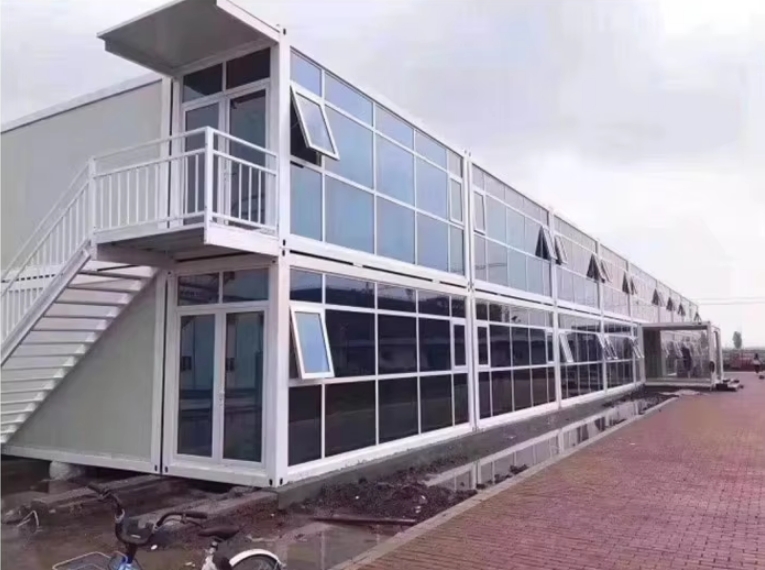
Hybrid Approach: The Sweet Spot?
Many savvy builders **DIY the shell** (framing, insulation, exterior) and hire pros for **plumbing, electrical, and finishes**. This can cut costs by **20–30%** while avoiding major pitfalls.
Example: A client in Colorado spent **$60,000** on a hybrid build—$20K less than turnkey quotes!
4. Where to Buy: Container Home Kits vs. Custom Builders
Not all container homes are created equal. Here’s how to choose the right path:
Option 1: Pre-Fab Container Home Kits ($30,000–$150,000)
Companies like **Honomobo, Backcountry Containers, or MODS International** sell **flat-pack kits** you assemble on-site. Pros:
- Faster build time (**4–12 weeks**).
- Predictable pricing (fewer surprises).
- Often include permits and engineering plans.
Watch out for: Shipping costs (some kits come from overseas) and limited customization.
Option 2: Custom Builders ($100,000–$500,000+)
Hire an architect and contractor for a **fully customized** home. Best for:
- Unique designs (e.g., stacked containers, cantilevered sections).
- High-end finishes (think reclaimed wood, smart home tech).
- Complex sites (hillside, off-grid, etc.).
Example: **Container Homes USA** builds luxury homes starting at **$200,000**, but you get **energy-efficient, hurricane-proof** designs.
Option 3: Used Containers + DIY ($10,000–$70,000)
Buy a used container (**$1,500–$5,000**) and convert it yourself. Websites like **ContainerAuction.com** or local depots are goldmines. But:
- Inspect for **rust, chemical residues, or structural damage**.
- “One-trip” containers (used once) are pricier but cleaner.
- Modifying used containers can cost **2x more** than new ones.
Hot Tip: Visit **container home expos** (like the **Tiny House & Container Home Show**) to compare builders in person. Many offer **discounts for cash buyers**!
5. How to Slash Your Container Home Costs (Without Sacrificing Quality)
You don’t need to break the bank to build a stunning container home. Here’s how to save **$10,000–$50,000+**:
1. Choose the Right Location
Land in **rural areas or “container-friendly” states** (Texas, Tennessee, Oregon) is cheaper. Avoid **coastal cities** with strict building codes.
2. Opt for a Simple Design
Every cut, weld, and angle adds labor costs. **Rectangular layouts** with minimal modifications are most affordable.
3. Use Salvaged or Recycled Materials
Facebook Marketplace, Habitat for Humanity ReStores, and **architectural salvage yards** are treasure troves for:
- Windows ($50–$200 vs. $500+ new)
- Doors ($100–$300 vs. $1,000+ new)
- Flooring (reclaimed hardwood for **$2–$5/sq ft**)
4. Go Off-Grid (Long-Term Savings)
Solar panels (**$10,000–$20,000**) and rainwater collection (**$5,000–$15,000**) have steep upfront costs but **eliminate utility bills**. Over 10 years, you’ll save **$20,000–$50,000**.
5. Phase Your Build
Start with a **livable core** (bedroom, bathroom, kitchen), then add decks, extra rooms, or landscaping later. This spreads out costs over years.
6. Barter or Sweat Equity
Trade skills with friends (e.g., electrician work for plumbing help) or join a **tiny home co-op** to share tools and labor.
Real-Life Example: A couple in North Carolina built a **1,200 sq ft container home for $90,000** using:
- Two used containers ($6,000 total)
- Salvaged windows and doors ($1,200)
- DIY labor (6 months of weekends)
- Solar panels ($12,000, but $0 electric bills now!)
6. Is a Container Home Right for You? Key Questions to Ask
Before you dive in, let’s get real. Ask yourself:
1. Can You Handle the Challenges?
Container homes aren’t for everyone. Be honest:
- Are you okay with **limited space** (even in larger builds)?
- Can you deal with **potential zoning battles**?
- Are you prepared for **maintenance** (rust prevention, sealant checks)?
2. What’s Your Timeline?
DIY builds take **6–18 months**; turnkey homes take **3–6 months**. If you need to move ASAP, a container home might not be the fastest option.
3. How Long Will You Stay?
Container homes **appreciate differently** than traditional homes. In trendy areas (Austin, Portland), they hold value well. In rural zones, resale can be tougher.
4. Are You Really Saving Money?
Compare the **total cost of ownership**:
- Container home: **$250,000** (including land, permits, builds)
- Traditional home: **$350,000** (same size, same location)
- But… container homes often have **lower taxes, insurance, and utilities**.
Over 10 years, you might save **$50,000–$100,000**!
Final Verdict: If you value **sustainability, uniqueness, and long-term savings**, a container home is a fantastic choice. If you need **maximal space or quick resale value**, traditional might win.
Still on the fence? **Visit a container home community** (like **Container City in London** or **The Box Office in Texas**) to see them in person. There’s nothing like stepping inside one to know if it’s right for you.
For more detailed information, please visit our official website:container home cost
About the author: **Jordan Carter** is a sustainable housing consultant and the founder of *EcoDwell Magazine*, where he’s helped over 5,000 families explore alternative housing—from container homes to earthships. With a background in civil engineering and a passion for off-grid living, Jordan combines **practical building advice** with **real-world cost-saving strategies**. When he’s not writing or consulting, you’ll find him welding his latest DIY container project in the Colorado Rockies. His motto? *“Live big in small spaces—without breaking the bank.”* ```