Container Houses: The Ultimate Guide to Affordable, Sustainable Living
Have you ever wondered if you could turn a simple shipping container into a stylish, functional home? Well, you’re not alone. Container houses have exploded in popularity over the last decade, offering a unique blend of affordability, sustainability, and modern design. Whether you're a minimalist, an eco-warrior, or just someone looking to cut housing costs, these innovative homes might be the perfect solution.
In this guide, we’ll dive deep into everything you need to know—from costs and design ideas to the pros and cons of living in a **container house . By the end, you’ll have a clear picture of whether this trend is right for you. Let’s get started!
What Is a Container House, and Why Are They Gaining Popularity?
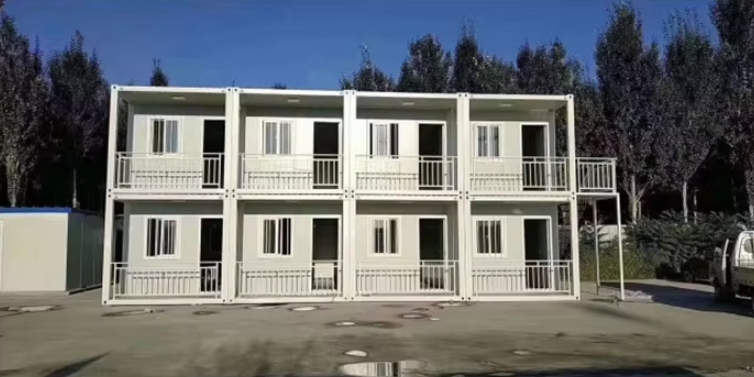
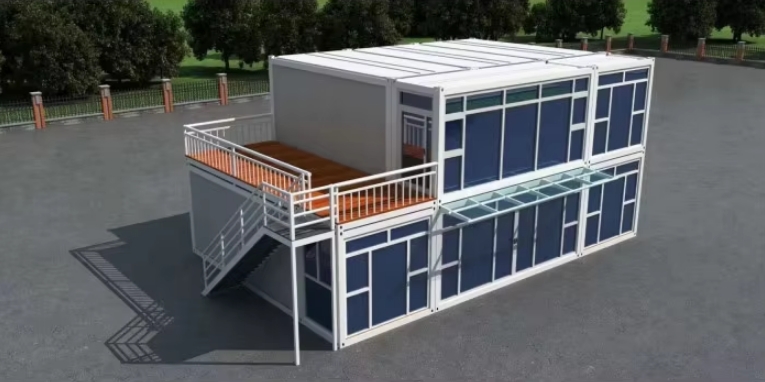
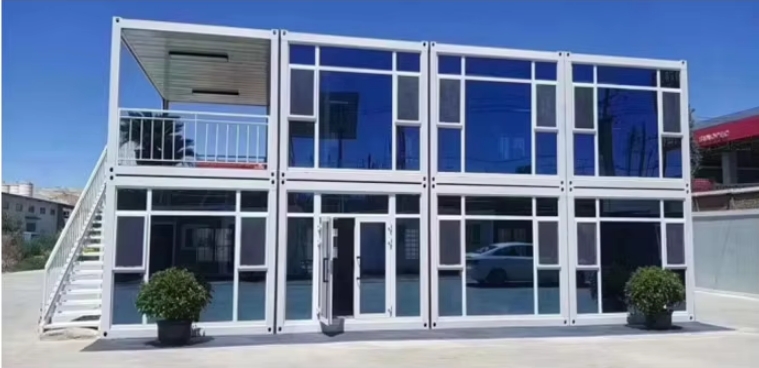
A **container house** is exactly what it sounds like: a home built using repurposed shipping containers. These steel boxes, originally designed for transporting goods across oceans, are now being transformed into cozy, modern living spaces. But why the sudden hype?
The Rise of Minimalism and Sustainability
Frankly speaking, traditional housing is becoming less accessible. Skyrocketing property prices, environmental concerns, and a growing desire for simplicity have pushed people toward alternative living solutions. **Container houses** check all the boxes:
- Affordability: They cost a fraction of conventional homes.
- Speed of Construction: Many can be built in weeks, not months.
- Eco-Friendliness: Repurposing containers reduces waste and carbon footprints.
- Mobility: Some designs allow you to move your home if needed.
Who’s Choosing Container Homes?
From young professionals to retirees, the appeal is broad. I’ve found that three groups are particularly drawn to container houses :
- First-time homebuyers looking to enter the market without massive debt.
- Eco-conscious individuals who want to live sustainably without sacrificing comfort.
- DIY enthusiasts eager to customize their space from the ground up.
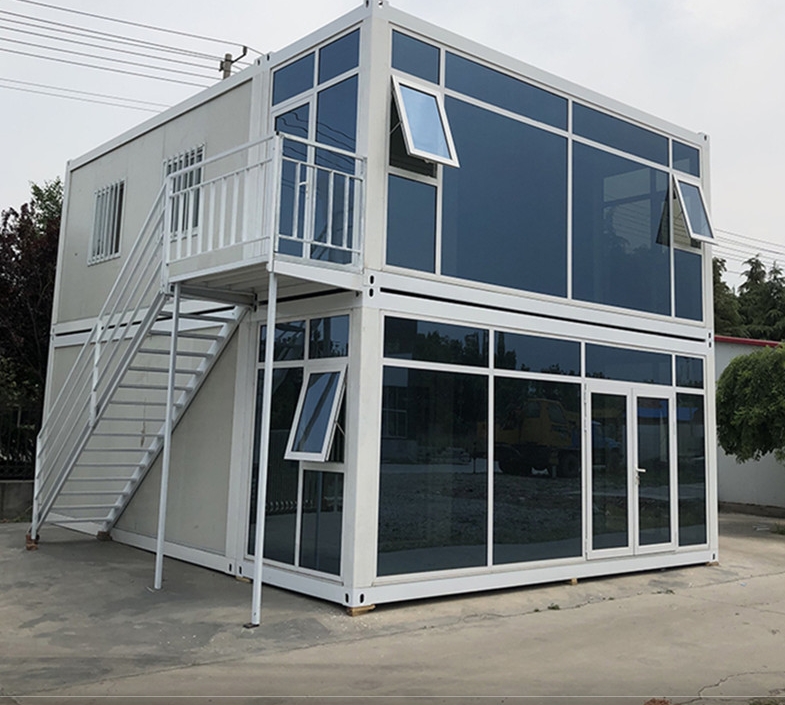
How Much Does a Container House Cost? Breaking Down the Numbers
One of the biggest draws of container houses is their cost-effectiveness—but how much are we really talking about? The answer depends on size, location, and whether you’re going DIY or hiring professionals.
Base Costs: The Container Itself
A standard 20-foot shipping container (about 160 sq. ft.) can cost anywhere from $1,500 to $5,000, while a 40-foot container (320 sq. ft.) ranges from $3,000 to $8,000. Used containers are cheaper, but new ones (often called "one-trip" containers) are in better condition.
Additional Expenses to Consider
Here’s where things get interesting—and where many people underestimate the budget. Beyond the container, you’ll need to account for:
- Foundation and Site Prep: $5,000–$20,000 (depending on land conditions).
- Insulation and Climate Control: $3,000–$10,000 (critical for comfort!).
- Plumbing and Electrical: $5,000–$15,000.
- Interior Finishes: $10,000–$30,000 (flooring, walls, kitchen, bathroom).
- Permits and Labor: Varies widely by location but can add $10,000–$50,000.
In my experience, a basic, DIY container home can start around $25,000–$50,000, while a luxury, professionally built model can exceed $150,000. It’s worth noting that modular container living (stacking multiple containers) increases costs but also adds space and design flexibility.
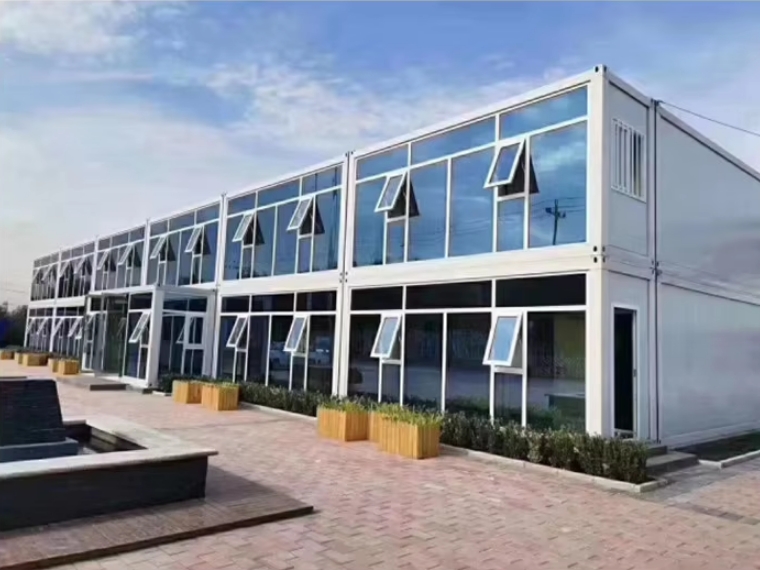
Design Ideas: Making Your Container House Feel Like Home
Gone are the days when **container houses** looked like industrial boxes. Today’s designs are sleek, spacious, and full of personality. The key? Smart planning and creative use of space.
Maximizing Small Spaces
Containers are narrow (typically 8 feet wide), so every inch counts. Here are some genius space-saving tips:
- Open Floor Plans: Combine the kitchen, living, and dining areas to avoid a cramped feel.
- Lofted Beds or Storage: Use vertical space for sleeping or extra storage.
- Sliding Doors and Foldable Furniture: Think Murphy beds or collapsible tables.
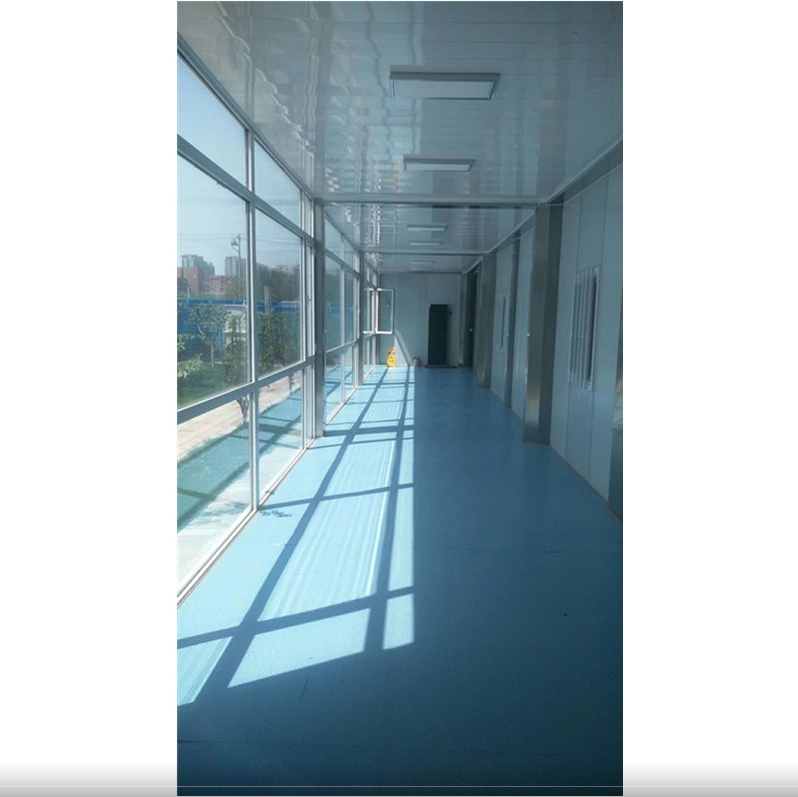
- Large Windows and Skylights: Natural light makes spaces feel bigger.
Exterior and Interior Aesthetics
Your container house can reflect any style—modern, rustic, or even futuristic. Some popular trends include:
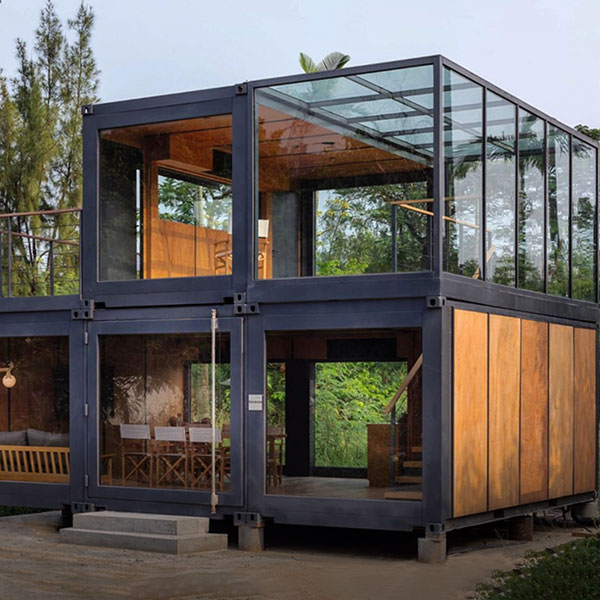
- Industrial Chic: Exposed steel walls paired with warm wood accents.
- Scandinavian Minimalism: Light colors, clean lines, and cozy textiles.
- Tropical Vibes: Outdoor decks, bamboo flooring, and plenty of greenery.
Many experts agree that the exterior can be transformed with cladding (wood, brick, or metal panels) to blend seamlessly with traditional homes. To be honest, you’d never guess some of these are made from shipping containers!
Pros and Cons of Living in a Container House
While **container houses** sound like a dream, they’re not for everyone. Let’s weigh the good and the not-so-good.
The Advantages
- Cost-Effective: Often 30–50% cheaper than traditional homes.
- Quick to Build: No waiting years for construction—some are move-in ready in months.
- Eco-Friendly: Repurposing containers reduces waste and energy use.
- Durable: Steel frames withstand hurricanes, earthquakes, and pests.
- Portable: Some designs can be relocated if needed.
The Challenges
- Limited Space: Unless you stack containers, square footage is tight.
- Insulation Issues: Metal conducts heat/cold, so proper insulation is a must.
- Permits and Zoning: Not all areas allow container homes—check local laws!
- Resale Value: The market is still niche; selling later might be tricky.
- Rust and Maintenance: Without treatment, containers can corrode over time.
Interestingly enough, many of these cons can be mitigated with careful planning. For example, spray foam insulation solves temperature issues, and working with a container-savvy architect can help navigate permits.
DIY vs. Hiring a Professional: Which Route Should You Take?
So, you’re sold on the idea of a **container house**—but should you roll up your sleeves or hire a pro? Both paths have merits, depending on your skills, budget, and timeline.
Going the DIY Route
If you’re handy and eager to save money, DIY is tempting. Here’s what to expect:
- Pros: Lower costs, full creative control, and the satisfaction of building your own home.
- Cons: Steep learning curve, potential mistakes (e.g., poor insulation), and time-consuming.
I’ve found that DIYers often start with a single-container tiny home before tackling larger projects. Online communities (like Container Home Plans) offer blueprints and support for beginners.
Hiring a Professional Builder
For those who want a turnkey solution, hiring experts is the way to go. Benefits include:
- Pros: Faster build time, fewer headaches, and compliance with building codes.
- Cons: Higher upfront costs (labor can double the price).
Many companies specialize in **modular container living**, offering customizable floor plans. To be honest, if you’re not experienced in construction, the peace of mind might be worth the extra cost.
Final Thoughts: Is a Container House Right for You?
Container housesare more than a trend—they’re a practical, sustainable solution for modern living. Whether you’re drawn to their affordability, eco-friendliness, or unique aesthetic, they offer a refreshing alternative to traditional homes.
Before diving in, ask yourself:
- Do I prioritize cost savings and sustainability over space?
- Am I prepared for the challenges (permits, insulation, maintenance)?
- Do I want a DIY project or a ready-made home?
If you answered "yes" to most of these, a container house could be your perfect match. Start small—maybe with a backyard office or guest house—to test the waters before committing to a full-time container home.
Ready to explore further? Check out inspiring designs, connect with builders, and join container home communities to learn from others’ experiences. The journey to your dream home starts with a single (shipping) container!
For more detailed information, please visit our official website:container house design
About the author: Alex Carter is a sustainable living advocate and tiny home enthusiast with over a decade of experience in alternative housing solutions. As the founder of *EcoDwell Magazine*, Alex has helped thousands of readers navigate the world of container houses**, tiny homes, and off-grid living. When he’s not writing or consulting, you’ll find him tinkering with his own DIY container cabin in the mountains of Colorado. His mission? To prove that sustainable living can be stylish, affordable, and accessible to everyone.