Container Homes: The Ultimate Guide to Building Your Dream Box
Have you ever driven past a construction site, seen those massive steel shipping containers, and thought, "Could I live in one of those?" If so, you're not alone. The idea of transforming a rugged, industrial box into a cozy, modern living space has captured the imagination of architects, DIY enthusiasts, and aspiring homeowners worldwide. Frankly speaking, the rise of Container Homes isn't just a fleeting trend; it's a powerful statement about sustainability, innovative design, and a desire to rethink what a "home" can be.
But let's be honest, the journey from a corrugated steel shell to a fully functional home is filled with questions. Is it really cheaper? What are the hidden challenges? And how do you make it feel less like a box and more like a home? In this comprehensive guide, we'll unpack everything you need to know about the world of container homes, giving you the real, unvarnished truth to help you decide if this unique housing solution is right for you.
What Exactly Are Container Homes and Why Are They So Popular?
At its core, a container home is a residential structure built from one or more steel shipping containers. These are the same containers you see stacked on cargo ships and hauled by trucks, designed to withstand extreme weather and heavy loads. They typically come in two standard sizes: 20 feet by 8 feet or, more commonly for homes, 40 feet by 8 feet. The latter gives you about 320 square feet of blank canvas to work with.
The Humble Shipping Container's Second Act
Interestingly enough, there's a massive surplus of these containers around the globe. It's often cheaper for shipping companies to manufacture new ones in Asia than to ship empty ones back. This has created a vast inventory of used containers ripe for "upcycling." This act of repurposing is the foundation of the container home movement. Instead of melting them down (an energy-intensive process), architects and builders are giving them a second, more permanent life as the building blocks for everything from tiny cabins to multi-story mansions.
The Surge in Popularity
So, why the sudden boom? Several factors are at play. First is the powerful allure of sustainability. By using a recycled product as the primary structure, you're immediately reducing the need for traditional building materials like wood and concrete. It's a tangible way to lower your environmental footprint.
Second, there's the perception of affordability. While we'll dive deeper into the real costs later, the initial price of the container itself is significantly lower than framing a traditional house. This appeals to those looking for a more accessible path to homeownership. Finally, the aesthetic is undeniably cool. The industrial-chic look, combined with the modular, Lego-like potential for design, resonates with a modern desire for unique and personalized living spaces.
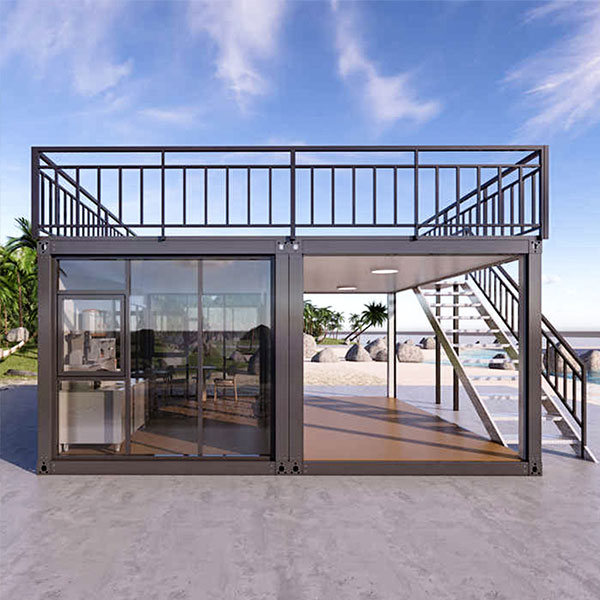
The Real Deal: Pros and Cons of Container Homes
Like any housing choice, living in a metal box has its upsides and its challenges. It's crucial to look past the glossy magazine photos and understand the practical realities. In my experience, being well-informed about the pros and cons of container homes is the single most important step before you even think about buying a container.
The Bright Side: The Advantages
- Durability and Strength: Shipping containers are built from corten steel and designed to be stacked nine-high while carrying tons of cargo. They are incredibly strong, weather-resistant, and can withstand conditions that would challenge a traditional wood-frame house.
- Speed of Construction: Because the main structure is already built, the construction timeline can be significantly shorter. Much of the fabrication, like cutting openings for windows and doors, can be done off-site in a workshop, minimizing on-site construction time and weather delays.
- Predictable Costs (to a degree): The cost of the main structure—the container itself—is a known quantity. This can make initial budget planning a bit more straightforward compared to the fluctuating costs of lumber.
- Unique Modern Aesthetic: There's no denying the visual appeal. Container homes offer a minimalist, industrial look that can be customized with sleek finishes, large glass panels, and creative layouts. They are a conversation starter.
- Portability: While not exactly mobile, container homes can be designed to be transported from one location to another with relative ease, offering a degree of flexibility that traditional homes can't match.
The Hard Truths: The Disadvantages
- Insulation is a Major Hurdle: A steel box is a fantastic conductor of heat and cold. This means proper insulation is not just important; it's absolutely critical. Without it, your home will be an oven in the summer and a freezer in the winter, plagued by condensation and rust. This is a significant expense that is often underestimated.
- Navigating Building Codes and Permits: This is, frankly speaking, one of the biggest headaches. Many municipalities don't have specific building codes for container homes. You'll likely have to work hard with local officials, an architect, and a structural engineer to prove your design is safe and compliant.
- Structural Integrity Concerns: The strength of a container lies in its complete form. When you start cutting large openings for windows and doors, you compromise its structural integrity. These openings must be reinforced with steel, which requires professional engineering and adds to the cost.
- Limited Interior Width: An 8-foot exterior width becomes about 7 feet of living space after you add insulation and drywall. This narrowness can feel restrictive and requires very clever interior design to feel open and functional.
- Potential for Contaminants: Used containers may have been treated with pesticides to protect their cargo or have lead-based paint. It's vital to know the history of your container or opt for a "one-trip" container (used only once) to ensure a safe living environment.
Let's Talk Money: Breaking Down the Shipping Container Home Cost
"So, is it actually cheaper?" This is the million-dollar question, or perhaps the fifty-thousand-dollar question. The answer is... it depends. A common misconception is that you can buy a $3,000 container, put it on some land, and have a home. The reality of the shipping container home cost is far more complex.
The Price of the Box
The container itself is just the starting point. A used, "as-is" 40-foot container might cost you $2,500 - $4,500. A "one-trip" container, which is in much better condition, can run from $5,000 to $8,000. While it's tempting to go for the cheaper option, a one-trip container often saves you money in the long run on repairs and cleaning.
Beyond the Container: The Real Expenses
The container is often less than 15% of the total project cost. Here's where the rest of your budget will go:
- Land: This is a huge variable. You need a place to put your home.
- Foundation: You can't just place it on the ground. You'll need a proper foundation, like a concrete slab or piers, which can cost $5,000 - $20,000+.
- Delivery and Crane Rental: Getting a 9,000-pound steel box to your site and placing it on the foundation requires a specialized truck and a crane. This can easily cost a few thousand dollars.
- Architectural and Engineering Plans: Essential for getting permits and ensuring your home is safe. Budget several thousand dollars for professional plans.
- Modifications and Reinforcement: Cutting holes for windows/doors and welding steel frames adds significant labor and material costs.
- Insulation: High-quality spray foam insulation, often the best choice for containers, can cost $5,000 or more.
- Plumbing, Electrical, and HVAC: These systems need to be installed just like in a traditional home, and costs can be comparable.
- Interior and Exterior Finishes: Drywall, flooring, roofing, siding, kitchen cabinets, bathrooms—this is where you can either save or splurge.
It's worth noting that a simple, DIY container home might be built for as little as $30,000 (if you have the skills and land), while a high-end, multi-container home designed by an architect can easily exceed $300,000. The final cost is less about the container and more about the land, labor, and level of finish you choose.
From Steel Box to Dream Home: Container Home Design Ideas
This is where the fun begins! The constraints of a container—its modularity and industrial shell—force a level of creativity that can lead to truly stunning homes. There are endless container home design ideas to explore, catering to every taste and lifestyle.
Embracing the Industrial Vibe
Many designers choose not to hide the container's origins. They leave sections of the corrugated steel walls exposed, use polished concrete floors, and incorporate industrial-style lighting and metal fixtures. This creates a raw, authentic, and modern aesthetic that is both honest and stylish.
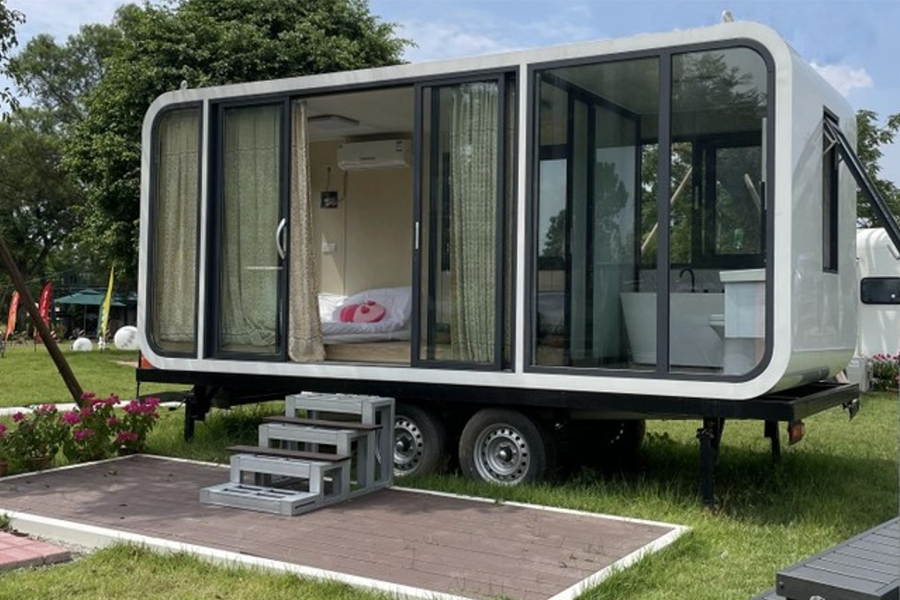
Going Off-Grid and Sustainable
The compact and durable nature of container homes makes them an excellent choice for off-grid living. Their flat roofs are perfect for mounting solar panels, and they can be easily integrated with rainwater harvesting systems and composting toilets. Combining multiple containers can create courtyards that protect from the elements and create microclimates for gardening.
The Luxury Approach
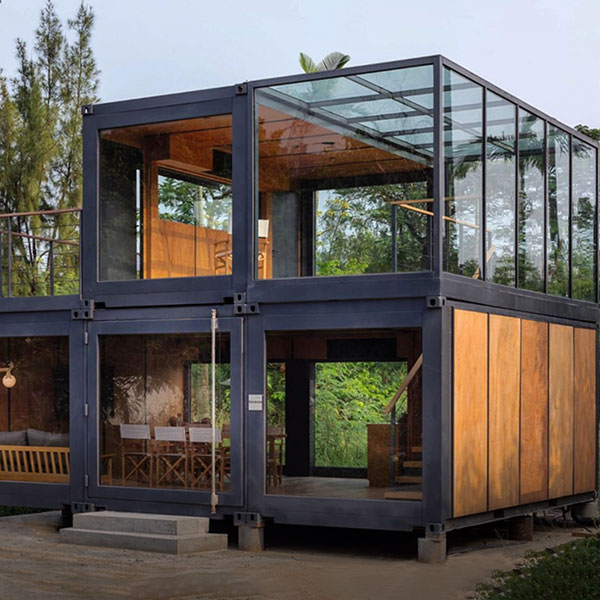
Don't think container homes are just for rustic cabins. By stacking and joining multiple containers, architects can create expansive, luxurious homes. Imagine a design with double-height living spaces (by removing the floor/ceiling of stacked containers), floor-to-ceiling glass walls, rooftop decks with stunning views, and high-end finishes. From a distance, you might not even realize the home is made from shipping containers.
Navigating the Build: Key Steps and Considerations
Building one of these unique homes requires careful planning and a different mindset than a traditional build. Many experts agree that success lies in preparation and finding the right team.
Finding the Right Team
This is not a project for a standard home builder who has never worked with steel. You need an architect, an engineer, and a contractor who have specific experience with container modifications. They will understand the unique challenges of welding, preventing thermal bridging, and properly insulating a metal structure. Don't be afraid to ask for a portfolio of their completed container projects.
The Permit Puzzle
Before you even buy a container, talk to your local planning and zoning department. Seriously. Show them your preliminary ideas and ask what the requirements and potential roadblocks are. Some areas are very open to alternative housing, while others can be incredibly restrictive. Getting this information upfront will save you immense time and money.
Insulation is Everything
I can't stress this enough. Poor insulation will ruin your container home experience. The best and most common method is closed-cell spray foam insulation applied to the exterior (and then covered with siding) or interior. It acts as a thermal break, an air barrier, and a vapor barrier all in one, effectively preventing condensation from forming on the inside of the steel walls—a critical step in preventing rust and mold.
Ultimately, Container Homes represent a fascinating intersection of design, sustainability, and personal expression. They are not a magic bullet for cheap housing, but they offer a compelling and durable alternative for those willing to embrace their unique challenges and creative potential. With meticulous planning, a solid budget, and the right team, you can absolutely transform a simple steel box into a remarkable place to call home.
For more detailed information, please visit our official website:Container Homes
About the author: Alex Carter is a sustainable architect and writer with over 15 years of experience in alternative building materials and modular design. He is passionate about helping people create innovative, eco-friendly living spaces that are both beautiful and practical. Alex has consulted on dozens of container home projects, from tiny off-grid cabins to complex urban residences, and believes in the power of thoughtful design to solve modern housing challenges. ---