The Ultimate Guide to Container House Living: From Steel Box to Dream Home
Have you ever driven past a port or a railyard and seen those colossal stacks of shipping containers? It’s a sight to behold. But what if I told you that inside one of those corrugated steel boxes lies the potential for a stunning, modern, and surprisingly cozy home? The concept of the Container House has exploded from a niche architectural curiosity into a mainstream housing phenomenon. It represents a bold step towards sustainability, affordability, and design innovation.
Frankly speaking, the idea is captivating. Taking a structure built for the high seas—designed to withstand incredible stress and harsh weather—and transforming it into a personal sanctuary is a powerful statement. But beyond the cool factor, there are practicalities to consider, challenges to overcome, and a whole lot of planning. This guide will walk you through everything you need to know, from the unvarnished truth about the pros and cons to the nitty-gritty of costs and design.
The Unvarnished Truth: Pros and Cons of Container Homes
Before you start sketching out your dream container home, it's crucial to look at the full picture. In my experience, many people are drawn in by the perceived benefits without fully understanding the potential drawbacks. Let's break it down honestly.
The Alluring Advantages
- Durability and Strength: These containers are engineered from Corten steel, designed to be stacked nine-high while fully loaded and to endure years of salty sea spray. This inherent toughness translates into an incredibly strong and resilient structural frame for a house. They are built to last.
- Speed of Construction: A significant portion of the construction—cutting openings, framing interiors, and even installing initial plumbing and electrical—can happen off-site in a controlled factory environment. This prefabrication drastically reduces on-site construction time, minimizing weather delays and labor costs.
- Potential Cost Savings: While not always the "cheap" option people assume, a container house can be more affordable than traditional construction, especially for those willing to take on some of the work themselves. The structural shell is, after all, already built.
- Sustainability: This is a big one. Upcycling a used shipping container gives a massive piece of industrial steel a second life, preventing it from being melted down (a highly energy-intensive process) and reducing the need for traditional building materials like wood and brick.
- Unique Modern Aesthetics: There's no denying the look. The industrial, minimalist vibe of a container house is a major draw for many. It’s a blank canvas for architectural creativity, allowing for unique configurations and a distinctly modern feel.
The Hard Realities and Challenges
- Insulation is Non-Negotiable: To be honest, this is the biggest hurdle. Steel is a fantastic conductor of heat, meaning a container home will get scorching hot in the summer and freezing cold in the winter without proper insulation. High-quality spray foam insulation is often the recommended (and more expensive) solution to create a thermal break and prevent condensation issues.
- Navigating Permits and Zoning: Many local municipalities are still catching up to alternative housing. You might face an uphill battle with building codes and zoning laws that weren't written with container homes in mind. Thorough research and potentially hiring an experienced architect are essential here.
- Structural Integrity After Modification: The strength of a container lies in its complete form. Once you start cutting large openings for windows and doors, you compromise that integrity. Reinforcing these cuts with steel framing is an absolute must, adding to the complexity and cost.
- The Constraints of Space: A standard container is typically 8 feet wide. While this is manageable, it can feel narrow. Designing an interior layout that feels open and functional within these constraints requires clever planning. Combining multiple containers is a popular solution but adds to the engineering and construction costs.

Decoding the Costs: What's the Real Price Tag on a Container House?
One of the most common questions I hear is about the true shipping container home costs. The answer, frustratingly, is: it depends. The final price tag is a mosaic of different factors, from the price of the container itself to the level of finish you desire. Let's break down the budget into its core components.
The Foundational Expenses
- The Container Itself: A used container might cost anywhere from $1,500 to $5,000, depending on its condition and your location. A "one-trip" container, which is practically new, will be at the higher end of that range but is often worth it to avoid rust and chemical residue.
- Land: This is a massive variable. The cost of land will likely be one of your biggest expenses, just as with any home build.
- Foundation: You can't just place a container on the ground. You'll need a proper foundation, such as a concrete slab, piers, or a basement. This can range from $5,000 to $20,000+ depending on the type and soil conditions.
- Delivery and Placement: Getting the container to your site and lifting it onto the foundation requires a specialized truck and a crane. This can easily cost a few thousand dollars, depending on the distance and accessibility of your property.
The Construction and Finishing Budget
This is where the costs can really vary. Think of it like building a traditional home—your choices dictate the price.
- Design and Engineering: You'll need architectural plans and a structural engineer to sign off on them, especially with modifications. This ensures your home is safe and meets local codes.
- Labor: Unless you're a skilled welder, electrician, and plumber, you'll be hiring professionals. Labor is a significant part of any construction budget.
- Insulation and Interior Walls: As mentioned, this is critical. Budget for high-quality insulation (spray foam is ideal), followed by framing, drywall, and paint.
- Windows and Doors: The cost of cutting openings, reinforcing them, and installing good-quality, energy-efficient windows and doors adds up quickly.
- Utilities: Connecting to the grid for electricity, water, and sewage is a major expense. If you're off-grid, you'll need to budget for solar panels, a well, and a septic system.
- Finishes: Flooring, cabinetry, countertops, fixtures, and appliances are all up to your personal taste and budget.
It's worth noting that a fully finished, contractor-built container house can range from $150 to over $350 per square foot, which can sometimes rival the cost of traditional construction. The real savings often come from DIY labor and simpler, more minimalist designs.
Design and Livability: Turning a Steel Box into a Home
The real magic of a container house lies in its transformation. How do you take an 8-foot-wide steel tube and make it feel like a spacious, comfortable home? It all comes down to smart design. This is where you can get creative with container house design ideas to maximize both form and function.
Maximizing Your Space and Flow
The narrowness of a single container is the primary design challenge. An open-plan layout is almost essential to avoid a "tunnel" effect. By removing interior walls between the kitchen, dining, and living areas, you create a sense of spaciousness and allow light to travel through the home.
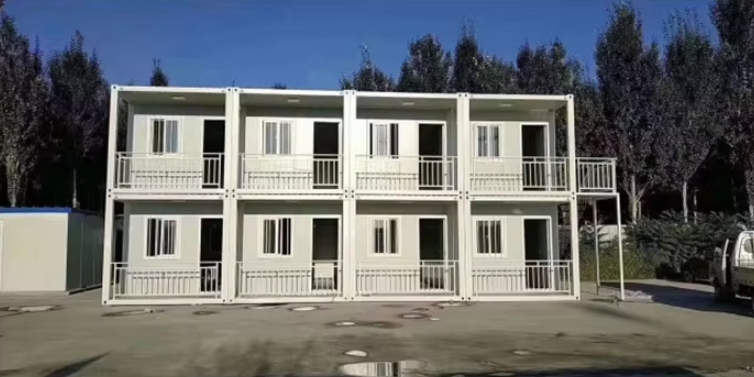
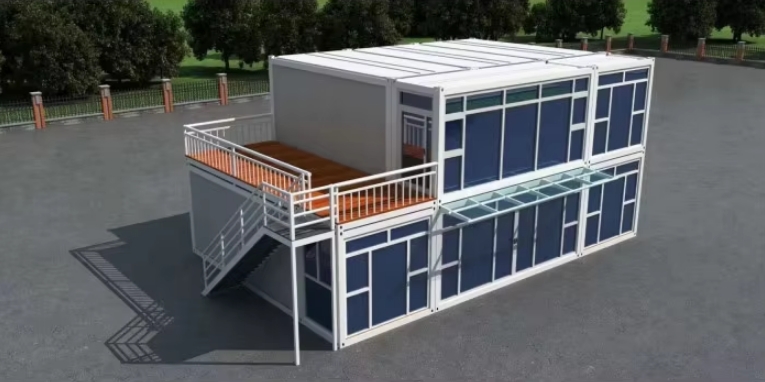
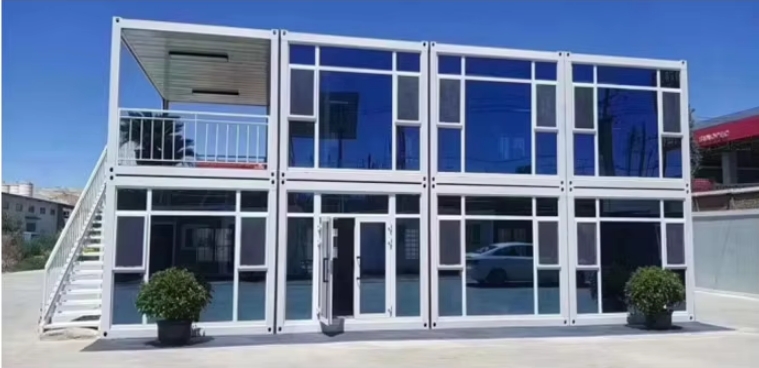
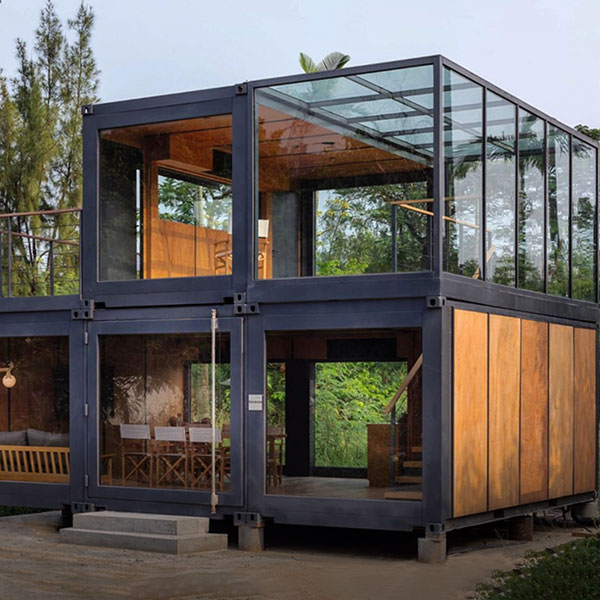
Many of the most successful designs use multiple containers. You can place them side-by-side and remove the adjoining walls to create a wider living space, or stack them to create a multi-story home. Another popular technique is to arrange them in a U-shape or L-shape to create a private courtyard or deck area, effectively extending your living space outdoors.
Essential Design Considerations
- Embrace Natural Light: To counteract the "box" feeling, large windows and glass doors are your best friends. Floor-to-ceiling windows or a full glass wall at one end can dramatically open up the space and connect the interior with the outdoors.
- Plan for Ventilation: Proper airflow is crucial in an airtight steel structure to manage moisture and maintain air quality. This means planning for operable windows, vents, and potentially a heat recovery ventilator (HRV) system.
- Soundproofing: Rain hitting a steel roof can be incredibly loud. Good insulation helps, but you might also consider adding a separate pitched roof over the container or using sound-dampening materials on the interior ceiling.
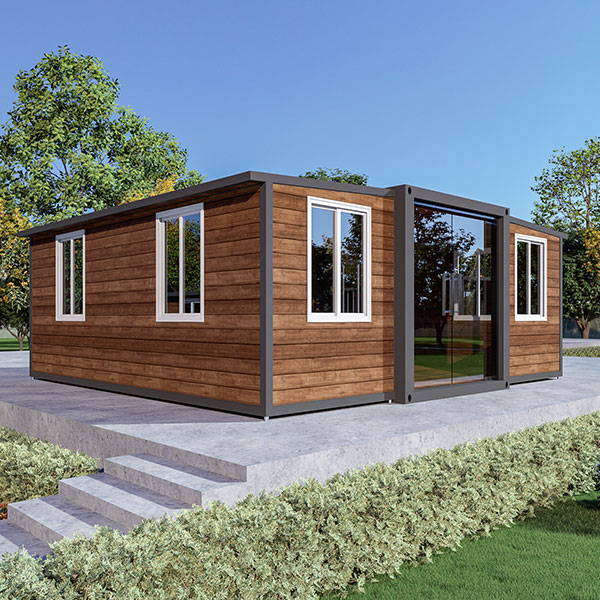
- Exterior Finishes: While some love the raw industrial look of the corrugated steel, it's not for everyone. You can clad the exterior in almost any material—wood, stucco, metal panels—to change its appearance, add another layer of insulation, and protect the steel from the elements.
Your Step-by-Step Guide to Building a Container House
Feeling inspired? The journey from concept to completion is a significant undertaking, but it can be broken down into a manageable process. Many experts agree that meticulous planning is the key to a successful build.
Phase 1: Research, Design, and Permits
This is the most critical phase. Before you even think about buying a container, you need to do your homework. Research your local zoning regulations and building codes to see if a container house is even permitted. Hire an architect or designer who has experience with this type of construction. They will help you create a functional design and produce the necessary blueprints for permits.
Phase 2: Site Prep and Container Acquisition
While your plans are being approved, you can begin preparing your land. This involves clearing, grading, and pouring the foundation. At the same time, you'll source your shipping containers. Inspect them thoroughly for rust, dents, and any signs of chemical contamination. Always opt for a reputable seller.
Phase 3: Modification and Assembly
This is where the steel box starts to look like a house. The containers are delivered and placed on the foundation by a crane. Welders and fabricators then get to work, cutting out the openings for windows and doors and adding steel reinforcements. If you're using multiple containers, they will be welded or bolted together at this stage.
Phase 4: The Finishing Touches
Once the shell is complete, the process becomes more like a traditional home build. Plumbers and electricians run pipes and wires, and insulation is installed. Then come the drywall, flooring, and painting. The final steps involve installing your kitchen, bathrooms, fixtures, and appliances. The exterior is finished with roofing, cladding, and landscaping.
Is a Container House Right for You?
A container house is more than just a home; it's a lifestyle choice. It’s a project that requires patience, creativity, and a willingness to think outside the traditional four walls. They are not a one-size-fits-all solution, and they are certainly not a shortcut to an easy, cheap home without careful planning.
However, for the right person—the innovator, the minimalist, the sustainability-conscious individual—it offers an unparalleled opportunity to create a truly unique, durable, and personal space. It’s a testament to the idea that with a bit of vision, even the most utilitarian object can be transformed into something beautiful. So, is it the right choice for you? Only you can answer that, but hopefully, you now have the knowledge to make an informed decision.
For more detailed information, please visit our official website:Container House
About the author: Alex Carter is a sustainable architecture consultant and writer with over 15 years of experience in alternative building methods. Specializing in modular and upcycled construction, Alex is passionate about helping people create innovative, eco-friendly living spaces. He has overseen dozens of unique projects, from tiny homes to multi-unit container developments, and believes that the future of housing lies in creative, responsible design.