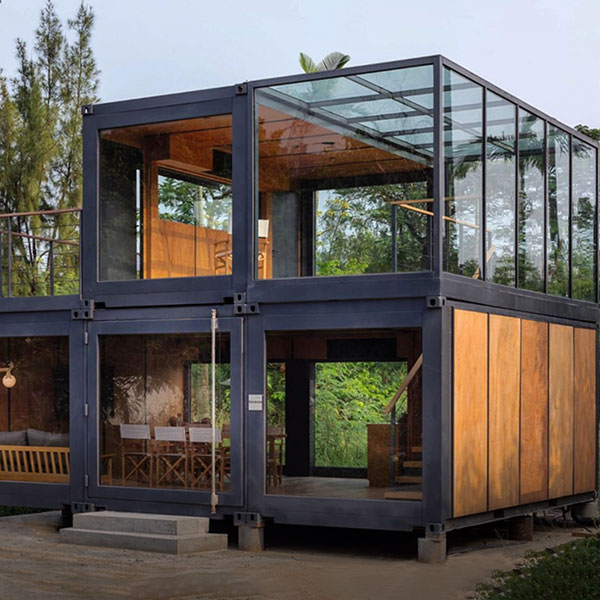
Modular Housing: Redefining Long-Term Residences with Customization
In recent years, modular construction has transcended its reputation as a temporary housing solution, emerging as a viable and innovative option for long-term residences. This shift is driven by advancements in manufacturing techniques, improved material quality, and a growing demand for homes that balance efficiency, sustainability, and personalization. Long-term modular residences, with their extensive customization options, are now successfully catering to diverse housing needs—from rural self-built homes and suburban villas to compact urban apartments—offering a compelling alternative to traditional brick-and-concrete structures.
At the core of modular long-term housing is its adaptability to various contexts and preferences. In rural areas, where self-built homes are a common choice, modular systems provide farmers and rural families with an opportunity to construct durable, comfortable residences without the logistical challenges of traditional on-site building. These homes can be tailored to local climate conditions—whether designed with extra insulation for cold mountain regions or elevated foundations for flood-prone plains. Rural modular homes often integrate features like large storage spaces for agricultural equipment, porches for outdoor activities, and energy-efficient systems suited to off-grid or limited utility access. What makes them particularly appealing is their ability to harmonize with the surrounding landscape, using materials and designs that reflect local architectural traditions while incorporating modern comforts.
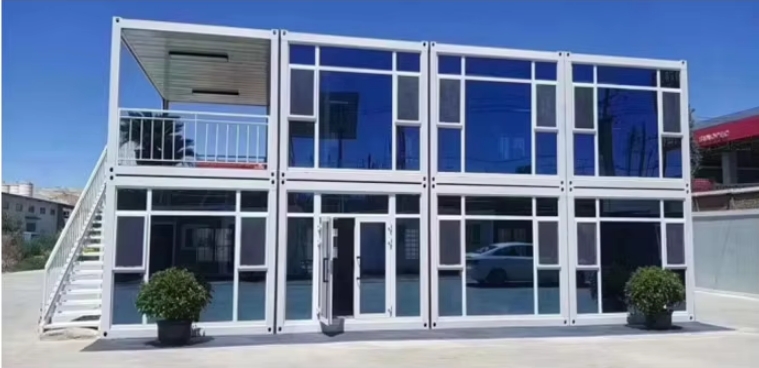
In suburban settings, modular construction is revolutionizing the concept of villa living. Unlike cookie-cutter developments, modular villas offer a high degree of architectural customization, allowing homeowners to create unique residences that express their personal style. From sleek modernist designs with flat roofs and floor-to-ceiling windows to charming cottage-style homes with gabled roofs and decorative facades, the possibilities are nearly endless. These villas can range in size from modest three-bedroom family homes to sprawling estates with multiple wings, guest quarters, and recreational spaces. A notable example is the prevalence of modular single-family villas in Nordic countries, where this construction method has become mainstream. These homes are engineered to withstand harsh winters, with factory-built wall panels, roof trusses, and even pre-installed furniture modules that include integrated kitchens and bathroom fixtures. The precision of factory production ensures that these villas meet stringent thermal efficiency standards, often exceeding those of traditional homes, while their airtight construction provides superior sound insulation—critical factors for long-term comfort in regions with extreme temperature variations.
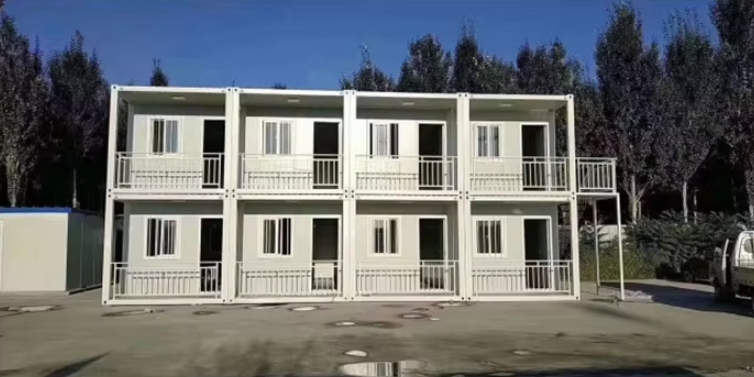
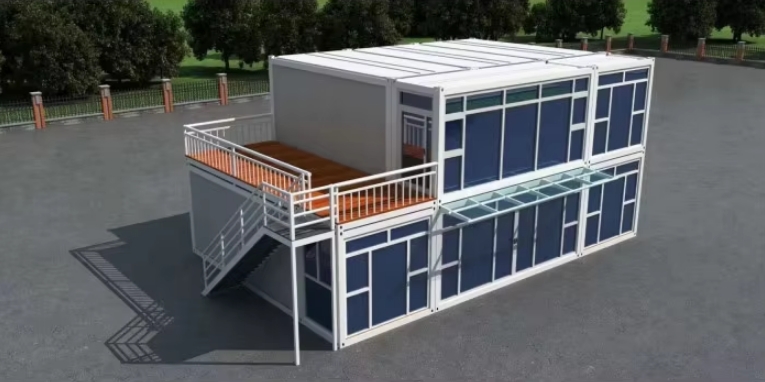
Urban environments, facing pressures of space constraints and high land costs, benefit significantly from modular小户型 apartments. These compact yet functional residences are designed to maximize living space while maintaining comfort and style. Modular apartment buildings can be constructed quickly to address urban housing shortages, with each unit manufactured off-site to precise specifications. Homebuyers can customize layouts within standard dimensions—choosing between open-plan studio designs or more traditional configurations with separate bedrooms, optimizing space according to their lifestyle needs. Urban modular apartments often feature innovative space-saving solutions, such as fold-down furniture, built-in storage, and multi-functional rooms that adapt to different uses throughout the day. This flexibility makes them ideal for young professionals, small families, and empty nesters seeking convenient city living without sacrificing quality.
The customization potential of modular long-term homes extends beyond aesthetics and layout to encompass functional features tailored to individual needs. Homeowners can select from a wide range of finishes, from flooring materials (hardwood, tile, or sustainable bamboo) to countertop options (granite, quartz, or recycled materials). Lighting systems can be customized with smart home integration, allowing residents to control ambiance and energy usage remotely. For families with specific requirements, modules can be designed to accommodate home offices, homeschooling spaces, or elderly care facilities. Accessibility features, such as wheelchair ramps, widened doorways, and adapted bathrooms, can be seamlessly integrated during the manufacturing process, avoiding the need for costly retrofits later. This level of personalization ensures that modular homes are not just generic structures but true reflections of their inhabitants' lifestyles and values.
One of the most significant advantages of modular long-term residences is their dramatically reduced construction timeline compared to traditional brick-and-concrete homes. While a conventional house can take six months to two years to complete, depending on size and complexity, modular homes typically cut this timeframe by more than 50%. This efficiency stems from the parallel nature of modular construction: while modules are being precision-manufactured in a controlled factory environment—protected from weather delays and material waste—site preparation work (foundation laying, utility connections) is completed simultaneously. Once produced, modules are transported to the site and assembled in a matter of weeks. In Nordic countries, for instance, a typical 200-square-meter modular villa can be fully constructed and ready for occupancy in as little as 12-16 weeks, compared to 6-12 months for a similar traditional home. This speed not only minimizes disruption to the neighborhood during construction but also allows homeowners to move into their new residences much sooner, reducing temporary housing costs.
Another key benefit of modular long-term housing is its inherent adaptability to future expansion and modification. Traditional homes often require extensive and costly renovations when families grow or needs change, but modular designs are inherently scalable. Homeowners can easily add new modules—whether an extra bedroom for a growing family, a sunroom to enjoy natural light, or a home gym—as their requirements evolve. These additions are designed to integrate seamlessly with the existing structure, maintaining architectural coherence and structural integrity. The modular system's standardized connections and engineering allow for such expansions without the complications of traditional building extensions. For example, a young couple starting with a two-bedroom modular home can, a few years later, add a third bedroom and a larger kitchen module with minimal disruption to their daily lives. This flexibility ensures that the home can grow and adapt over decades, extending its functional lifespan and reducing the need for relocation.
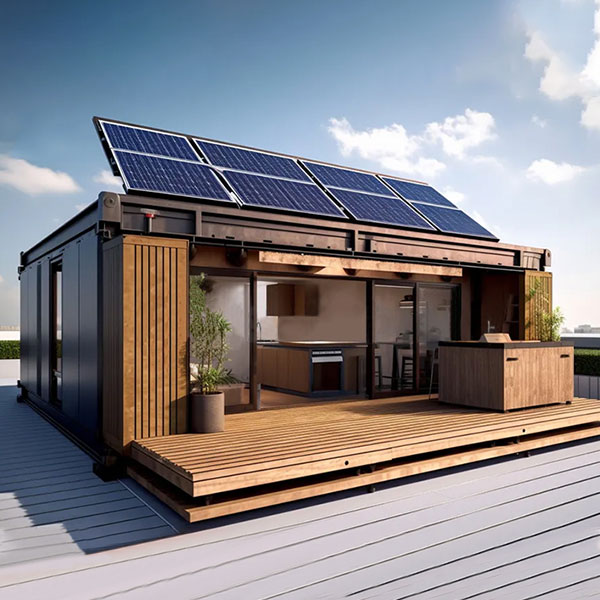
Sustainability is another compelling advantage of modular long-term residences. Factory production minimizes material waste by up to 30% compared to traditional construction, as precise measurements and controlled processes reduce excess cuts and discarded materials. Many manufacturers also prioritize eco-friendly materials, such as recycled steel frames, low-VOC (volatile organic compound) paints, and sustainable wood products. The energy efficiency of modular homes—enhanced by tight construction, advanced insulation, and optional solar panel integrations—results in lower long-term utility costs and reduced environmental impact. In regions like Scandinavia, modular homes often achieve passive house standards, requiring minimal energy for heating or cooling, which is both economically and environmentally beneficial for long-term residents.
Contrary to misconceptions that modular homes lack durability, modern modular structures are built to meet or exceed the same building codes and structural standards as traditional homes. The factory environment allows for rigorous quality control, with each module undergoing inspection before leaving the facility. Materials are stored in protected conditions, preventing moisture damage or warping that can occur with on-site construction. The structural integrity of modular homes is further reinforced by their design—modules are engineered to withstand transportation and crane lifting, resulting in robust frames that often outperform traditional construction in terms of stability and longevity. Many modular homes come with warranties comparable to those of conventional homes, providing homeowners with confidence in their long-term investment.
In conclusion, modular construction has redefined what long-term residential housing can be, offering a unique combination of customization, efficiency, and adaptability. From rural self-built homes that respect local traditions to suburban villas with personalized architectural styles and urban apartments optimized for space, modular residences cater to diverse lifestyles and contexts. The example of Nordic modular villas demonstrates how this approach can deliver homes that are not only aesthetically pleasing but also high-performing, with superior insulation and durability suitable for long-term occupancy. With construction timelines cut by more than half, the ability to expand as needs change, and a strong focus on sustainability, modular long-term homes represent a forward-thinking solution to modern housing challenges. As technology continues to advance and consumer acceptance grows, modular construction is poised to play an increasingly significant role in shaping the future of residential living—proving that efficiency and customization can coexist to create homes that are both practical and deeply personal.