Temporary/Transitional Housing: A Versatile Solution for Urgent Shelter Needs
In the ever-changing landscape of urban development, natural disasters, and large-scale construction projects, the need for flexible, efficient, and cost-effective housing solutions has become increasingly prominent. Temporary or transitional housing has emerged as a vital response to these urgent shelter requirements, offering a practical alternative to traditional construction methods. This type of housing is specifically designed to address short-term居住 needs while providing a safe, functional living environment for individuals and communities facing displacement or temporary relocation.
One of the primary applications of temporary/transitional housing is in urban renewal and redevelopment projects. As cities expand and modernize, old neighborhoods and dilapidated structures are often demolished to make way for new infrastructure, commercial complexes, or residential buildings. This process, while necessary for urban progress, displaces thousands of residents who need a place to live during the transition period between the demolition of their old homes and the completion of new ones. Temporary housing communities, strategically located near the original neighborhoods, allow displaced families to maintain their social connections, continue sending their children to local schools, and keep their jobs without major disruptions to their daily lives. These housing units are typically designed to be comfortable enough for extended stays, ranging from several months to a few years, until permanent housing becomes available.
In the aftermath of natural disasters such as earthquakes, floods, hurricanes, or wildfires, temporary housing plays a crucial role in emergency response and recovery efforts. When homes are destroyed or rendered uninhabitable, affected populations require immediate shelter that can be deployed quickly. Temporary housing units can be rapidly transported to disaster-stricken areas and set up in a matter of days, providing a safe haven for those who have lost everything. Unlike makeshift tents or shelters, these units offer basic amenities that contribute to maintaining dignity and a sense of normalcy during a traumatic time. They protect survivors from the elements, reduce the risk of disease outbreaks, and serve as a foundation for community recovery. For example, following major earthquakes in regions like Nepal or Turkey, modular temporary housing villages have been established to accommodate thousands of displaced families, allowing them to begin rebuilding their lives while living in secure and hygienic conditions.
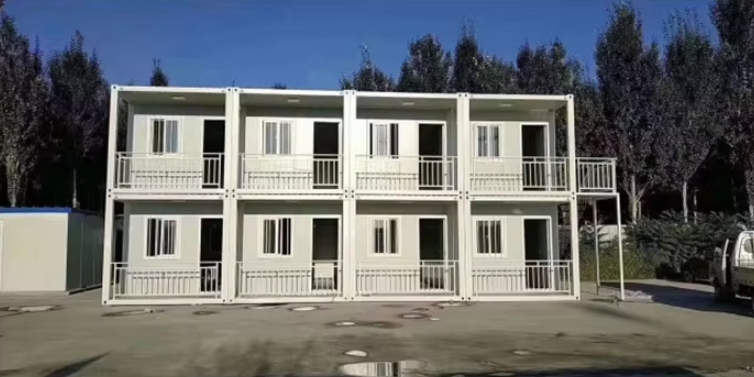
Another significant application of temporary housing is in supporting large-scale construction projects, particularly in remote or underdeveloped areas where permanent accommodation is scarce. Construction companies often need to house hundreds of workers for the duration of a project, which can last from several months to a few years. Modular宿舍 units provide an ideal solution in these scenarios. These prefabricated units can be quickly assembled on-site to create a functional living complex complete with sleeping quarters, dining facilities, and recreational spaces. What makes this approach particularly efficient is the portability of these units. Once a construction project is completed, the entire housing complex can be disassembled and transported to the next project site, eliminating waste and reducing the need for new construction each time. This not only saves costs but also minimizes the environmental impact associated with building and then demolishing temporary structures.
The advantages of temporary/transitional housing are numerous and contribute to its growing popularity across various sectors. One of the most notable benefits is the significantly reduced construction time compared to traditional housing. While building a conventional house can take several months or even years, temporary housing units, especially modular ones, can be manufactured in factories while site preparation is underway, allowing for simultaneous progress. Once the components are transported to the site, assembly is a streamlined process that typically takes just one to two weeks to complete, with residents able to move in shortly thereafter. This rapid deployment is critical in emergency situations where every day counts, and in urban development projects where minimizing displacement time is a priority.
Cost-effectiveness is another key advantage of temporary housing. The prefabricated nature of these units allows for mass production, which reduces manufacturing costs. Additionally, the simplified construction process requires fewer labor hours on-site, further lowering expenses. When compared to the cost of building permanent housing or providing alternative accommodation such as hotels or rental apartments for displaced populations, temporary housing represents a much more economical solution. This is particularly important for local governments and relief organizations operating with limited budgets, as it allows them to stretch their resources further and assist more people in need.
Despite being temporary, these housing units are designed to provide all the basic amenities necessary for a decent standard of living. Modern temporary housing typically includes functional kitchens with essential appliances, private bathrooms with hot water supply, reliable electricity, and efficient heating or cooling systems depending on the climate. This attention to basic needs ensures that residents can maintain a reasonable quality of life during their stay, whether it's for a few weeks or a couple of years. For construction workers living in modular宿舍, these amenities contribute to better rest and overall well-being, which can improve productivity on the job site.
Durability and safety are also important features of quality temporary housing. While designed for short-term use, these units are built to withstand various weather conditions and meet relevant building codes and safety standards. They are constructed using materials that are both lightweight for easy transportation and sturdy enough to provide a secure living environment. Many temporary housing solutions also incorporate sustainable features such as energy-efficient lighting, water-saving fixtures, and recycled materials, aligning with global efforts to reduce environmental impact.
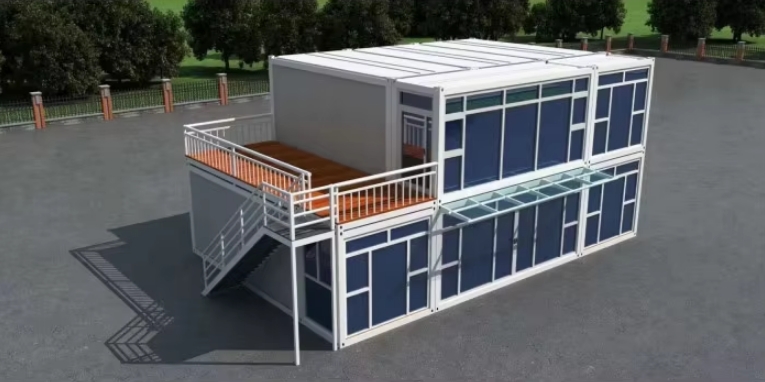
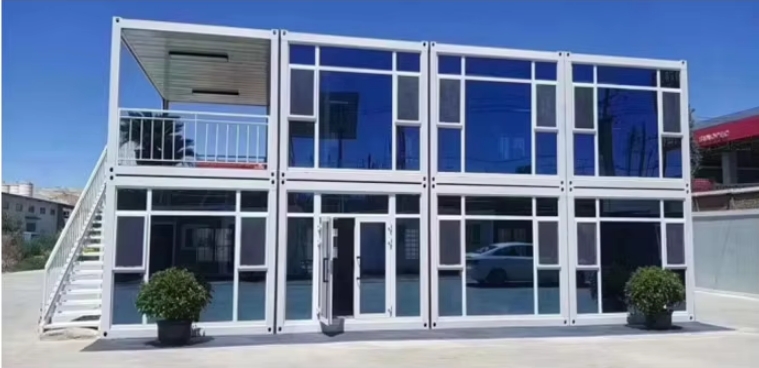
The flexibility of temporary housing is another significant benefit. These units can be easily scaled to meet changing needs—additional modules can be added to accommodate a growing population, or units can be removed if the demand decreases. This adaptability makes them suitable for a wide range of situations, from small-scale family displacements to large-scale community relocations. Furthermore, the modular design allows for customization based on specific requirements. For example, units can be modified to include accessibility features for people with disabilities, or configured to serve as temporary clinics, schools, or community centers in disaster-stricken areas.
In conclusion, temporary/transitional housing has proven to be an invaluable solution in addressing urgent shelter needs across diverse scenarios. From supporting urban renewal projects and providing emergency accommodation after natural disasters to housing workers on large construction sites, these innovative housing solutions offer speed, affordability, and functionality. Their ability to be rapidly deployed, coupled with their cost-effectiveness and provision of basic amenities, makes them an essential tool in modern urban planning, disaster response, and infrastructure development. As technology continues to advance, we can expect further improvements in the design, sustainability, and versatility of temporary housing, ensuring that it remains a vital resource for communities facing displacement and transition in the years to come. The ongoing refinement of modular construction techniques and materials will likely enhance both the comfort and environmental performance of these units, making them an even more attractive option for addressing the complex shelter challenges of the 21st century.