Embrace the Future: The Rise of the Space Capsule House
Have you ever gazed up at the night sky, filled with wonder at the vastness of space, and imagined living among the stars? While literal interstellar travel remains a distant dream for most, the concept of space exploration has undeniably inspired a fascinating architectural movement: the Space Capsule House. These innovative dwellings, often characterized by their sleek, futuristic design reminiscent of spacecraft, are more than just a novelty; they represent a significant shift in how we think about home, sustainability, and personal space. Frankly speaking, the appeal of a Space Capsule House is multifaceted, blending cutting-edge aesthetics with practical, forward-thinking design principles.
The term "Space Capsule House" evokes images of compact, self-contained living units, often prefabricated and designed for minimal environmental impact. They draw inspiration from the efficiency and ingenuity required for space missions, where every inch counts and functionality is paramount. In my experience, this focus on efficiency translates into a highly livable and surprisingly comfortable environment, challenging the notion that small means sacrificing quality of life. It's worth noting that this trend isn't just about aesthetics; it's deeply rooted in a desire for greater flexibility, affordability, and a more conscious approach to living.
Deconstructing the Space Capsule House: Design and Features
At its core, a Space Capsule House is a modular or prefabricated dwelling unit designed with a distinct, often cylindrical or ovular, form factor. This shape is not merely for show; it's often engineered for structural integrity, aerodynamic efficiency (in some outdoor applications), and to maximize interior volume within a compact footprint. Many designs incorporate large, panoramic windows, allowing residents to feel connected to their surroundings, much like an astronaut viewing Earth from orbit. This connection to the environment is a key selling point, offering a unique perspective on the world outside.
The interior of a Space Capsule House is a masterclass in spatial optimization. Think built-in furniture, multi-functional elements, and clever storage solutions. It's common to find beds that fold into walls, tables that retract, and kitchens and bathrooms ingeniously integrated into compact units. This meticulous planning ensures that even a small space feels open and functional. Many experts agree that the success of these homes lies in their ability to make every square foot work harder, offering a sense of spaciousness through smart design rather than sheer size.
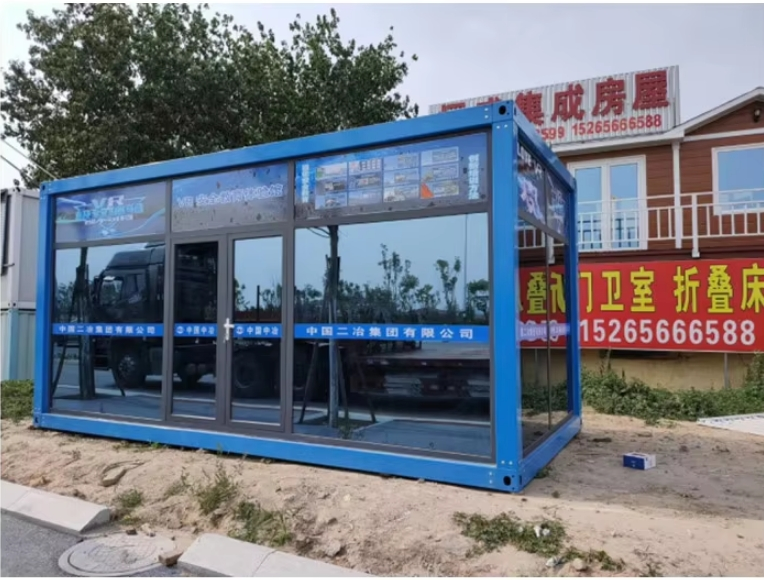
Materials play a crucial role in the construction of these homes. Durability, insulation properties, and sustainability are often prioritized. Common materials include high-strength steel, aluminum, and advanced composite materials, mirroring those used in aerospace engineering. Interestingly enough, the prefabricated nature of many Space Capsule Houses means they can be manufactured in controlled factory environments, leading to higher quality control and reduced construction waste compared to traditional building methods. This also contributes to faster assembly on-site, a significant advantage for those seeking a quicker path to homeownership.
Key Design Elements to Look For:
- Aerodynamic and Ergonomic Shapes: Often cylindrical or ovular for structural efficiency and a futuristic aesthetic.
- Panoramic Windows: Maximizing natural light and views, fostering a connection with the outdoors.
- Integrated and Multi-functional Furniture: Space-saving solutions like fold-down beds and retractable tables.
- Smart Storage Solutions: Utilizing every available nook and cranny for practical storage.
- Durable and Sustainable Materials: Emphasis on longevity, insulation, and environmental responsibility.
The Benefits of Embracing a Space Capsule House Lifestyle
One of the most compelling advantages of opting for a Space Capsule House is its affordability. Compared to traditional homes, the cost of purchasing or building a prefabricated capsule dwelling is often significantly lower. This makes homeownership more accessible to a wider range of people, including young professionals, minimalists, and those looking for a vacation home or a unique rental property. The reduced construction time also means lower labor costs, further contributing to the overall savings.
Sustainability is another major draw. The smaller footprint of a Space Capsule House inherently means less material usage and a reduced impact on the land. Many designs are also engineered for energy efficiency, incorporating features like excellent insulation, solar panels, and water-saving fixtures. This eco-conscious approach aligns with a growing global awareness of environmental issues and a desire to live more harmoniously with nature. Frankly speaking, living in a Space Capsule House can be a powerful statement of environmental stewardship.
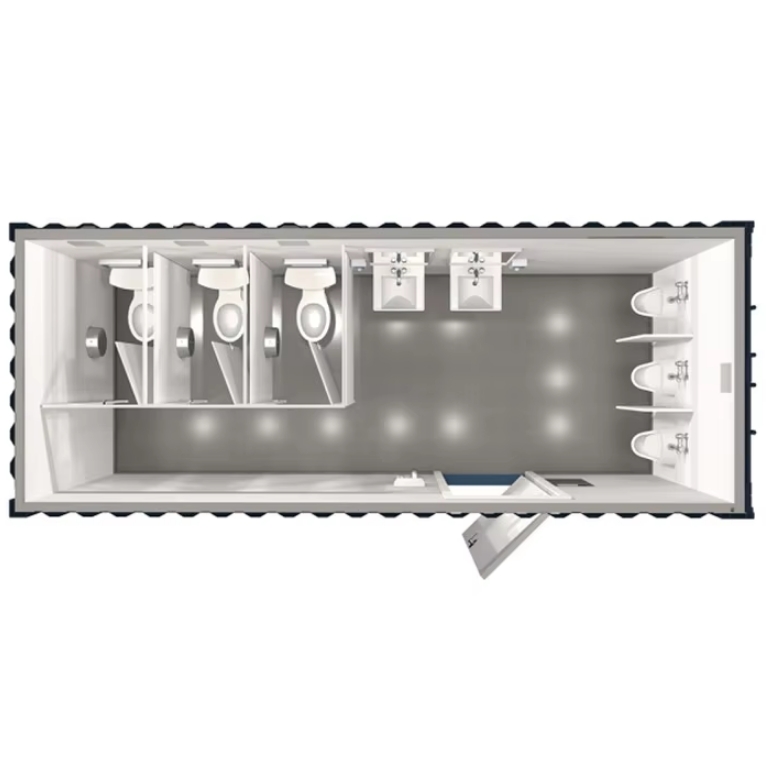
The portability and flexibility offered by some Space Capsule Houses are also significant benefits. While not all are designed for frequent relocation, many modular units can be transported and reassembled, offering unparalleled freedom. This is ideal for individuals or families who anticipate moving for work or simply desire the ability to change their scenery without the hassle of selling and buying a new property. It's worth noting that this adaptability is a stark contrast to the immobility of traditional brick-and-mortar homes.
Finally, the sheer uniqueness and aesthetic appeal cannot be overstated. A Space Capsule House is a conversation starter, a statement piece that reflects a bold and forward-thinking personality. It offers a departure from the conventional, providing a living experience that is both inspiring and deeply personal. Many owners find that living in such a distinctive space fosters a greater appreciation for their surroundings and a more intentional way of life.
Challenges and Considerations for Aspiring Space Capsule Homeowners
While the allure of a Space Capsule House is strong, it's important to approach this unconventional housing choice with realistic expectations. One of the primary considerations is zoning regulations and building permits. Because these homes often fall outside traditional building categories, obtaining the necessary approvals can be a complex and time-consuming process. Local authorities may have specific requirements regarding size, foundation, utilities, and aesthetic conformity that need to be carefully researched and addressed. In my experience, thorough due diligence on local regulations is paramount before committing to a purchase.
Utility hookups can also present challenges. Depending on the location and the specific design of the Space Capsule House, connecting to existing water, sewer, and electricity grids might require specialized solutions or off-grid systems. While many modern capsule homes are designed with integrated systems for water recycling, solar power, and composting toilets, these require a different approach to maintenance and can have upfront costs. It's essential to understand the infrastructure needs and potential costs associated with making a chosen site habitable.
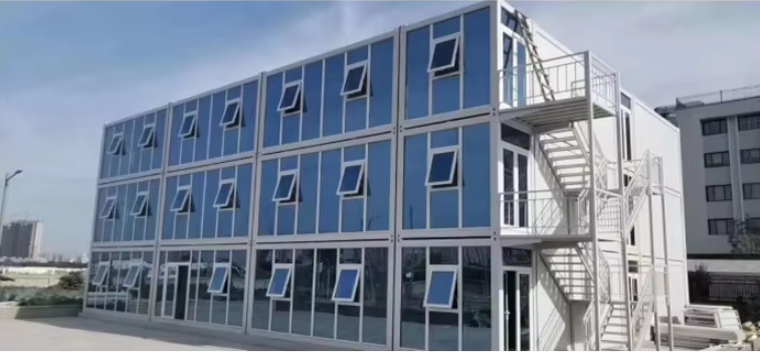
Financing and insurance can sometimes be more difficult to secure for non-traditional housing. Many banks and insurance companies are more accustomed to dealing with conventional homes, and finding lenders or insurers willing to underwrite a Space Capsule House might require more effort. However, as the popularity of these dwellings grows, so too does the availability of specialized financial and insurance products. It's advisable to research lenders and insurers who have experience with modular or prefabricated homes.
Lastly, while the compact nature is a benefit, it's crucial to ensure that the interior space meets your lifestyle needs. If you work from home, have a large family, or entertain frequently, a very compact capsule might feel restrictive. It's essential to carefully assess your daily routines and future plans to determine if the spatial configuration of a particular Space Capsule House will be truly comfortable and functional for you. Frankly speaking, a thorough self-assessment of your living habits is as important as evaluating the house itself.
The Future of Living: Where Do Space Capsule Houses Fit In?
The Space Capsule House is more than just a fleeting architectural fad; it represents a significant evolution in housing design and philosophy. As urbanization continues and the demand for sustainable, affordable, and flexible living solutions grows, these innovative dwellings are poised to play an increasingly important role. We are seeing a trend towards embracing smaller, more efficient living spaces that prioritize quality of life and environmental responsibility over sheer square footage.
The principles behind the Space Capsule House – modularity, prefabrication, smart design, and a connection to nature – are likely to influence mainstream housing in the years to come. It's not hard to imagine elements of capsule design, such as integrated furniture and efficient spatial planning, becoming more commonplace in standard homes. Furthermore, as technology advances, we can expect even more sophisticated and self-sufficient capsule homes, perhaps incorporating advanced smart home features, enhanced energy generation, and even greater mobility.
Ultimately, the Space Capsule House offers a compelling vision for the future of living. It challenges us to rethink our relationship with our homes and the environment, encouraging a more intentional, sustainable, and perhaps even adventurous approach to dwelling. Whether as a primary residence, a vacation retreat, or a unique rental opportunity, the Space Capsule House is a testament to human ingenuity and the enduring dream of living in harmony with our surroundings, inspired by the boundless possibilities of the cosmos.
For more detailed information, please visit our official website:
About the author: Alex Chen is a passionate advocate for sustainable and innovative housing solutions. With a background in architectural design and a keen interest in future living trends, Alex has explored the burgeoning world of modular and prefabricated homes. Their insights are drawn from extensive research and a deep appreciation for how design can shape our lives and our planet.