Building the Dream: Your Ultimate Guide to Affordable Prefab House Design for Remote Sites
Have you ever found yourself scrolling through images of secluded cabins, nestled deep in the woods or perched on a windswept coast, and thought, "I want that"? The allure of a remote retreat is powerful—a place to disconnect from the noise and reconnect with nature. But the dream often crashes into the harsh reality of logistics and cost. Building a traditional stick-built home on a remote site can be a logistical nightmare, with skyrocketing costs for labor, materials, and transportation.
Frankly speaking, it's enough to make anyone give up. But what if there was a better way? A smarter, faster, and more cost-effective path to that secluded sanctuary? Interestingly enough, there is. The solution lies in the world of modern prefabrication. An affordable prefab house design for remote sites isn't just a fantasy; it's a practical and increasingly popular choice for pioneers of modern living. These homes are built in a factory, transported to your slice of paradise, and assembled in a fraction of the time, overcoming many of the hurdles that make remote construction so daunting.
In this guide, we'll dive deep into everything you need to know to turn your off-grid dream into a tangible, affordable reality. We'll explore why prefab is the perfect match for remote locations, what designs work best, and how to navigate the process without breaking the bank.
Why Prefab is the Smart Choice for Remote Building
When you're dealing with a site that's miles from the nearest hardware store, the advantages of building in a controlled factory environment become crystal clear. Prefabrication isn't about cookie-cutter boxes anymore; it's about precision, efficiency, and predictability—three things that are worth their weight in gold for a remote project.
The Cost Advantage: Beyond the Sticker Price
Let's be honest, "affordable" is the key word here. The initial price of a prefab kit or module is often attractive, but the real savings are woven throughout the entire process. Here’s how:
- Reduced Labor Costs: Finding skilled labor willing to travel to a remote site is difficult and expensive. With a prefab home, the majority of the construction is done by a dedicated team in a factory. This means fewer hours of expensive on-site labor are needed, primarily for foundation work, assembly (the "stitch"), and utility connections.
- Minimal Material Waste: In a factory setting, materials are ordered in bulk and cut with precision using advanced machinery. This drastically reduces the waste that's common on traditional construction sites (often up to 15-20%). Less waste means lower material costs passed on to you.
- Predictable Budgeting: A remote stick-built project is notorious for budget overruns due to weather delays, material delivery issues, or unforeseen site challenges. With prefab, the price of the structure is fixed upfront. This financial certainty is a massive relief and allows for more accurate budgeting for the other project phases like site prep and landscaping.
The Logistics Lifesaver: Overcoming Access Challenges
Getting materials and machinery to a remote plot of land can be a project in itself. Narrow dirt roads, steep inclines, or sensitive ecosystems can make transporting lumber, concrete, and equipment a slow and costly endeavor. This is where prefab truly shines.
Instead of a hundred different deliveries of raw materials, you have one or a few highly coordinated deliveries of completed modules or panels. Companies specializing in prefabricated cabin kits for difficult terrain have developed ingenious methods for transportation and placement, sometimes even using helicopters for the most inaccessible locations. This streamlined approach minimizes site disruption, reduces the carbon footprint of your build, and bypasses many of the access headaches that plague traditional builders.
Speed and Efficiency: Your Home, Faster
The timeline for a traditional build can stretch for a year or more, especially when factoring in weather delays. Prefab construction operates on a parallel timeline. While your foundation is being prepared and utilities are being run on-site, your home is simultaneously being built in a climate-controlled factory. This overlap can cut the total construction time by as much as 50%. For a remote site where the building season might be short due to snow or rain, this speed is not just a convenience—it's a necessity.
Key Design Considerations for Your Remote Prefab Home
Choosing an affordable prefab house design for remote sites is about more than just aesthetics. Your design choices must respond to the unique demands of the location, from the ground it sits on to the sky above it. Thoughtful planning at this stage will ensure your home is not only beautiful but also resilient, self-sufficient, and comfortable for years to come.
Site-Specific Foundations: Anchoring Your Dream
The perfect, level lot is a rarity in remote areas. You're more likely to be dealing with slopes, rocky ground, or sensitive soil. A massive, poured-concrete slab foundation may not be feasible or affordable. In my experience, this is where alternative foundations become essential:
- Pier Foundations: Concrete piers are strategically placed to support the home's load-bearing points. This method is excellent for sloped sites, minimizes ground disturbance, and uses far less concrete than a full slab.
- Helical Piles (or Screw Piles): These are, essentially, giant steel screws drilled into the ground. They are incredibly strong, fast to install, and create almost no site disturbance, making them perfect for environmentally sensitive areas or difficult soil conditions. They are a fantastic, albeit sometimes pricier, solution.
The right foundation will depend on your soil type, climate, and the specific design of your prefab home. Always consult with a structural engineer familiar with the local conditions.
Off-Grid Utilities: Planning for Independence
"Remote" often means "off-grid." Planning for your own power, water, and waste management is non-negotiable. This is a core component of designing cost-effective modular homes for off-grid living.
- Power: Solar is the go-to solution. A well-designed photovoltaic (PV) system with a battery bank can provide all the electricity you need. The key is to accurately calculate your energy consumption and design a system to match. Consider energy-efficient appliances and passive solar design principles (e.g., south-facing windows) to reduce your power needs.
- Water: Your options are typically drilling a well or implementing a rainwater harvesting system. Rainwater collection, combined with robust filtration and purification, can be a sustainable and reliable water source in areas with sufficient rainfall.
- Waste: A septic system is the standard for off-grid homes. Modern composting toilets and greywater recycling systems can also be integrated to reduce the load on your septic field and conserve water.
Material Selection: Durability Meets Low Maintenance
The last thing you want to do at your remote getaway is spend all your time on maintenance. Material choices are critical. Opt for durable, weather-resistant materials that can stand up to the elements without constant upkeep. Think standing-seam metal roofing that sheds snow and rain easily, fiber cement or composite siding that resists rot and pests, and high-quality, well-insulated windows that can handle high winds and extreme temperatures.
Popular & Affordable Prefab House Designs for Secluded Spots
While customization is always an option, certain architectural styles have proven to be exceptionally well-suited for remote, affordable construction. Their inherent simplicity often translates to lower costs, easier transport, and better performance in challenging environments.
The Classic A-Frame: Timeless and Efficient
There's a reason the A-frame is an icon of cabin architecture. Its steeply pitched roof is brilliant at shedding heavy snow and rain, a common feature of remote mountain or forest locations. The simple triangular structure requires less complex engineering and fewer materials, making low-cost A-frame house plans for secluded properties a very popular choice. The open, vaulted interior creates a sense of space that belies a small footprint, and the large triangular windows are perfect for framing those epic remote views.
The Modular Box: Modern, Flexible, and Scalable
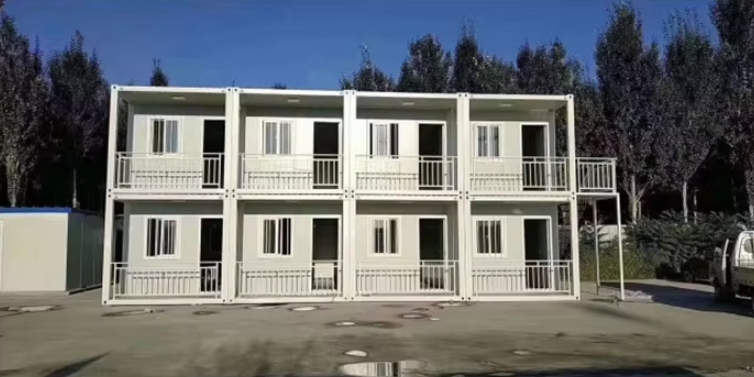
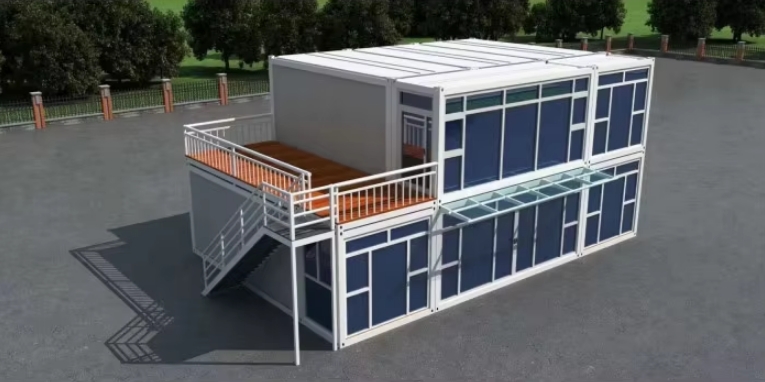
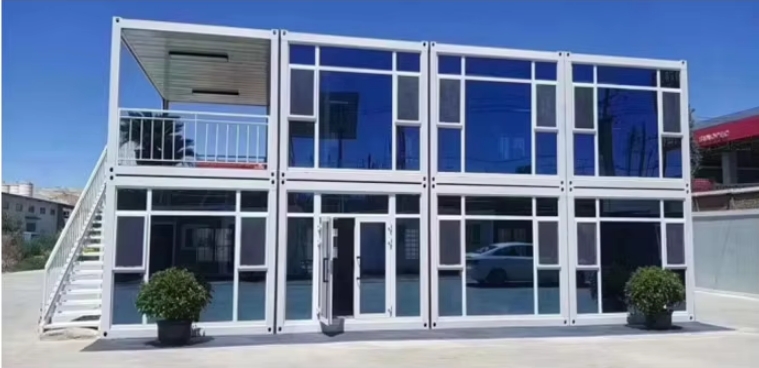
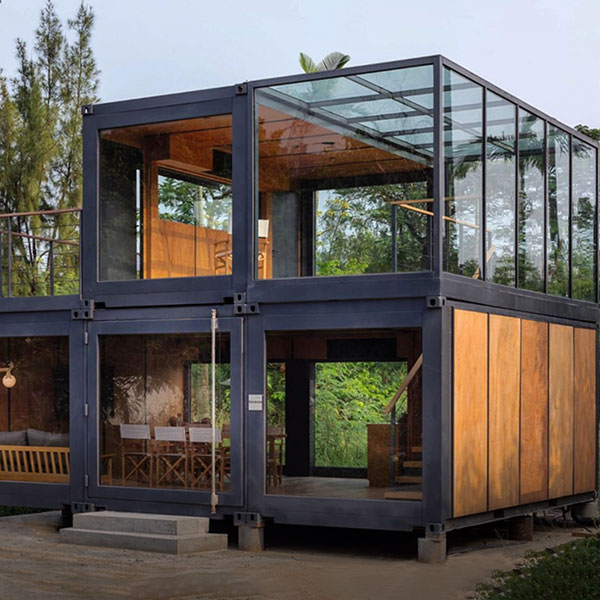
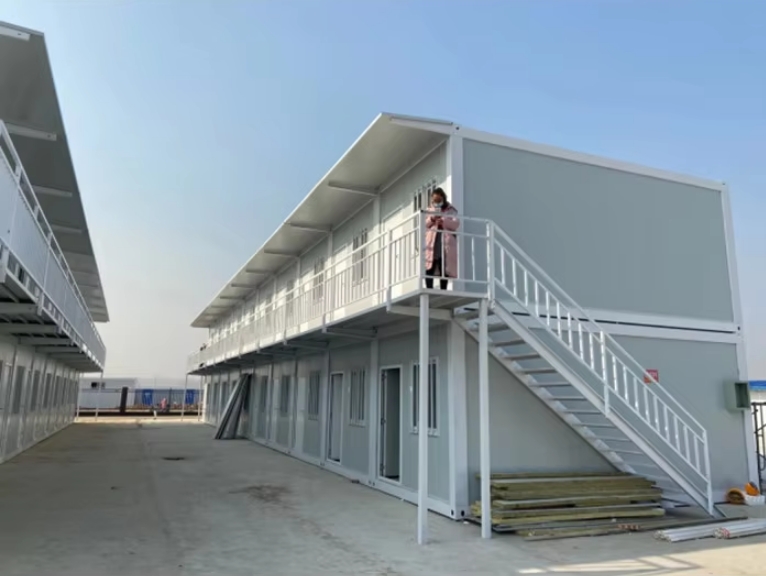
Don't let the word "box" fool you. Modern modular designs are sleek, minimalist, and incredibly versatile. Based on simple rectangular forms, these modules are efficient to build, transport, and connect. You can start with a single, small module as a weekend cabin and easily add more modules later as your needs or family grow. Their flat roofs are ideal for mounting solar panels or even creating a rooftop deck. This scalability makes them a fantastic long-term investment.
The Cabin Kit: A Hands-On Approach
For those who are a bit more adventurous and hands-on, a prefabricated cabin kit can be the most affordable route. These kits arrive as a package of pre-cut, pre-drilled components—walls, roof trusses, and all the necessary hardware. While this requires more on-site assembly (often called a "shell kit"), it can significantly reduce costs if you're willing to invest some sweat equity or hire a local contractor for the assembly. It’s a rewarding process that gives you a deep connection to your new home.
Navigating the Financials: How to Keep Your Remote Build Affordable
Achieving an affordable prefab house design for remote sites requires diligent financial planning. The price of the house itself is just one piece of a much larger puzzle. Understanding the full scope of costs is the first step to staying on budget.
Understanding "All-In" Costs
It's worth noting that the advertised price of a prefab home is almost never the final price. Your "all-in" budget needs to account for:
- The Land: The first and often largest expense.
- The Prefab Unit: The cost of the modules or kit from the manufacturer.
- Transportation: Delivery fees can be substantial for remote sites. Get a firm quote early.
- Site Preparation: This includes clearing land, grading, and creating an access road.
- Foundation: The cost of piers, a slab, or helical piles.
- Assembly/Crane Rental: The cost to "set" the modules on the foundation.
- Utilities: The significant cost of a well, septic system, and solar power array.
- Finishing: Interior and exterior finishing, decks, and landscaping.
Many experts agree that a safe rule of thumb is to estimate that the final project cost will be 2 to 3 times the base price of the prefab unit. Plan accordingly!
Smart Customization: Where to Splurge and Where to Save
You can control costs by being strategic with your choices. Splurge on the "bones" of the house: Invest in high-quality insulation, energy-efficient windows, and a durable roof. These elements will save you money on energy bills and maintenance in the long run. Save on finishes: Opt for standard, builder-grade finishes for things like flooring, countertops, and light fixtures. These are easy and relatively inexpensive to upgrade yourself over time. A simple, well-built structure is a better investment than a cheap structure filled with fancy, low-quality finishes.
The Final Steps: From Delivery to Dream Come True
The culmination of all your planning is an exciting and intense period where your house finally arrives and becomes a home. This is where the logistical advantages of prefab truly pay off.
The Delivery Day Dance
The arrival of the truck carrying your home is a major milestone. The process requires careful coordination. A crane is typically used to lift each module or panel from the truck and place it precisely onto the prepared foundation. A clear, stable access path for both the truck and the crane is absolutely critical. It's a day of high-stakes, high-reward activity that is incredible to watch.
Assembly and Finishing
Once the modules are set, a specialized crew gets to work "stitching" them together. This involves connecting the structural components, weatherproofing the seams, and hooking up the pre-installed plumbing and electrical systems between modules. After the main structure is assembled and sealed, the final on-site work begins—completing flooring, painting, installing appliances, and building any decks or porches.
Conclusion: Your Remote Retreat Awaits
The path to building a home in a remote location is filled with unique challenges, but it's a path that is more accessible and affordable than ever before. By leveraging the efficiency, predictability, and logistical simplicity of prefabrication, you can bypass many of the obstacles that once made such dreams impossible. A well-planned, affordable prefab house design for remote sites is your key to unlocking a life of peace, quiet, and profound connection to the natural world. With careful research and smart decisions, that secluded sanctuary you've been dreaming of is well within your reach.
For more detailed information, please visit our official website:affordable prefab house design for remote sites
About the author: Alex Carter is an architectural designer and off-grid living consultant with over 15 years of experience. Specializing in sustainable and prefabricated structures for challenging environments, Alex has helped dozens of clients realize their dream of building a modern, affordable home in remote locations. When not designing, Alex can be found field-testing cabin designs in the backcountry of the Pacific Northwest, seeking out the perfect balance between nature and innovative design. ---