Find Your Dream Home: Your Guide to Modular Homes for Sale Near Me
Have you ever dreamt of owning a beautiful, custom-built home without the endless waiting and sky-high costs often associated with traditional construction? If you're nodding along, then it's time to explore the world of modular homes. For many, the phrase "modular homes for sale near me" is the first step towards a more attainable and efficient homeownership journey. Frankly speaking, the perception of modular homes has evolved dramatically, moving from a niche option to a mainstream solution for smart homebuyers.
What Exactly Are Modular Homes?
To be honest, the term "modular" can sometimes be misunderstood. A modular home isn't a mobile home; it's a permanent residence built in sections (modules) in a climate-controlled factory setting. These modules are then transported to your building site and assembled by skilled professionals. This controlled environment means superior quality control, less waste, and protection from weather delays that plague on-site construction. It's a fascinating blend of factory precision and on-site customization.
Think of it like building with incredibly precise, pre-fabricated LEGO bricks for your house. Each section is built to exact specifications, adhering to the same building codes as a site-built home. Once completed in the factory, these modules are transported to your land, where they are joined together, finished, and connected to utilities. The result? A beautiful, durable, and fully code-compliant home that's often indistinguishable from a traditional build.
The Modular Advantage: Speed and Efficiency
One of the most compelling reasons people search for "modular homes for sale near me" is the significant reduction in construction time. Because so much of the building process happens indoors, simultaneously with site preparation (like foundation work), the overall timeline is dramatically shortened. While a traditional home might take 9-12 months or even longer, a modular home can often be completed and ready for occupancy in as little as 3-6 months from the start of the factory build. This speed is a game-changer for those eager to move into their new home.
This efficiency isn't just about saving time; it's also about saving money. Less labor time on-site, reduced material waste due to factory precision, and fewer weather-related delays all contribute to a more predictable and often lower overall cost compared to traditional construction. It's worth noting that the savings aren't at the expense of quality; in many cases, the quality is superior due to the controlled manufacturing environment.
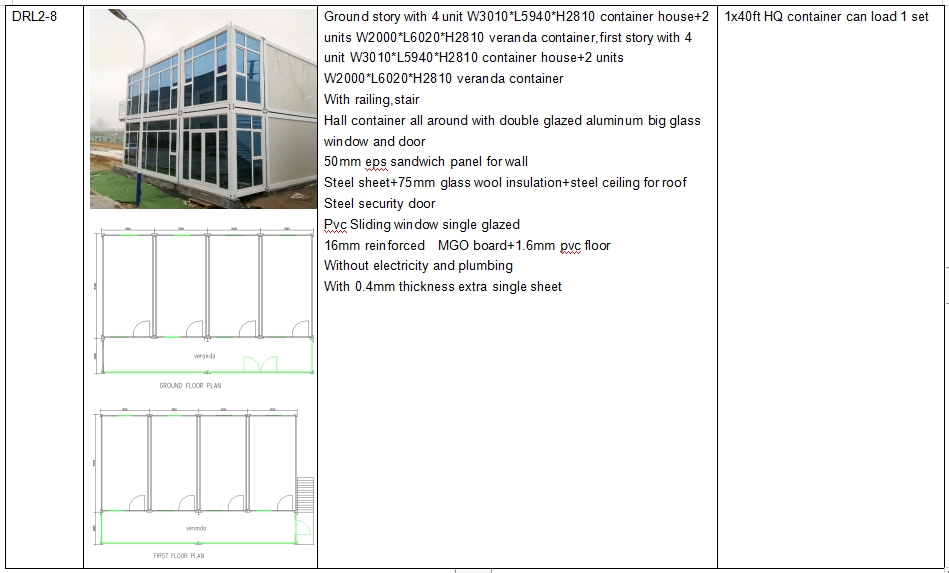
Exploring Your Options: Types of Modular Homes
When you start looking for modular homes for sale, you'll discover a wide array of styles and designs. The term "modular" encompasses a broad category, and understanding the different types can help you narrow down your search.
Ranch, Cape Cod, and Two-Story Designs
Just like traditional homes, modular homes come in popular architectural styles. You can find charming single-story ranch designs, classic Cape Cod styles with their distinctive rooflines, and spacious two-story homes perfect for growing families. Many manufacturers offer a catalog of pre-designed floor plans that can be customized, or they can work with you to create a completely bespoke design.
Customization is Key
A common misconception is that modular homes are cookie-cutter. In reality, customization is one of their biggest selling points. You can often choose:
- Floor plans: Modify layouts, add rooms, or combine modules to create your ideal space.
- Exterior finishes: Select siding, roofing materials, window styles, and exterior paint colors.
- Interior finishes: Choose cabinetry, countertops, flooring, fixtures, and appliances.
- Energy efficiency features: Opt for high-performance insulation, energy-efficient windows, and HVAC systems.
This level of personalization means you can truly build a home that reflects your style and meets your specific needs. Many experts agree that the customization potential rivals that of site-built homes.
Beyond the Basics: High-End and Specialty Modular Homes
Interestingly enough, the modular market has expanded to include high-end, luxury homes. These can feature premium materials, advanced smart home technology, and sophisticated architectural details. You can also find specialty modular homes designed for specific purposes, such as multi-family dwellings or accessory dwelling units (ADUs).
Finding Modular Homes for Sale Near Me: The Process
So, you're convinced modular is the way to go, and you're ready to search for "modular homes for sale near me." What's the next step? The process is generally straightforward but requires careful planning.
Step 1: Secure Your Land
Unlike a traditional home where the builder might own land, with modular homes, you typically need to own the land where your home will be placed. You'll need to ensure the land is suitable for building, has access to utilities (or the ability to install them), and meets local zoning requirements. Many modular home builders can offer guidance on land suitability.
Step 2: Choose a Reputable Modular Home Builder
This is a crucial step. Research local and regional modular home manufacturers and retailers. Look for companies with a strong track record, positive customer reviews, and clear communication. Don't hesitate to ask for references and visit their model homes or factory if possible. A good builder will guide you through every stage, from design to final completion.
In my experience, building a relationship with your chosen builder is key. They are your partners in this process, and open communication will prevent misunderstandings and ensure a smoother experience.
Step 3: Design and Customize Your Home
Work closely with the builder's design team to select or create your floor plan, choose your finishes, and finalize all the details. This is where your dream home starts to take shape on paper. Be thorough and consider your lifestyle needs for the long term.
Step 4: Site Preparation and Foundation
While the modules are being built in the factory, your chosen site will be prepared. This includes excavation, utility hookups, and the construction of the foundation. The type of foundation will depend on your home's design, local codes, and your land's characteristics.
Step 5: Delivery and Assembly
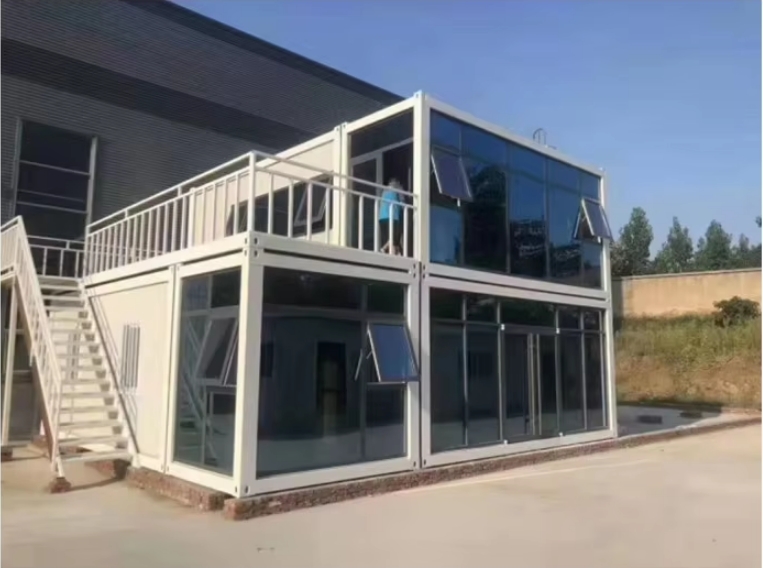
Once the modules are complete and your foundation is ready, the modules are transported to your site. This is often done by specialized trucking companies. The modules are then carefully lifted into place by cranes and joined together by the assembly crew. This is a critical phase that requires precision and expertise.
Step 6: Finishing Touches and Inspection
After the modules are assembled, the remaining work begins. This includes connecting plumbing, electrical, and HVAC systems between modules, installing interior finishes, and completing any exterior connections. Finally, your home will undergo inspections to ensure it meets all local building codes and regulations.
The Cost of Modular Homes
When considering "modular homes for sale," understanding the cost is paramount. Generally, modular homes offer significant cost savings compared to traditional site-built homes. However, the final price can vary widely based on several factors:
- Size and Complexity: Larger homes and more intricate designs will naturally cost more.
- Features and Finishes: High-end countertops, premium flooring, and luxury appliances will increase the price.
- Transportation Costs: The distance from the factory to your building site will impact the overall cost.
- Site Preparation: The cost of clearing land, grading, and building the foundation can vary significantly.
- Permits and Fees: Local building permits and inspection fees are also part of the total cost.
It's crucial to get a detailed breakdown from your builder, understanding what's included and what's not. Many experts suggest that you can expect to save 10-25% on the construction cost compared to a stick-built home of similar quality and features.
Are There Any Hidden Costs?
To be honest, the biggest "hidden" costs often relate to site preparation and land development. If your land requires extensive grading, a long driveway, or complex utility extensions, these can add up. Always factor in these potential site-specific expenses when budgeting. Also, ensure you understand the warranty offered by the builder.
Benefits Beyond Affordability
While cost-effectiveness is a major draw, the advantages of modular homes extend far beyond just saving money.
Superior Quality and Durability
As mentioned, the factory environment allows for precise construction. Materials are protected from the elements, reducing issues like warping or mold. Workers are often specialized in their tasks, leading to a higher level of craftsmanship. Many modular homes are built to withstand severe weather conditions, often exceeding the standards for traditional homes.
Energy Efficiency
Modular builders are keenly aware of the importance of energy efficiency. They often use advanced insulation techniques, high-performance windows, and tight construction methods to minimize air leaks. This translates to lower energy bills and a more comfortable living environment for you.
Environmental Friendliness
The controlled factory setting leads to less material waste compared to on-site construction. Materials are precisely cut and used, and leftover materials can often be recycled or reused. This makes modular building a more sustainable option.
Faster Occupancy
We've touched on this, but it's worth reiterating. The speed at which you can move into your new home is a significant quality-of-life benefit. Imagine enjoying your new home months sooner than you would with a traditional build.
Making the Right Choice for You
Deciding on your next home is a significant decision. If you're looking for a way to build a quality, customized home efficiently and often at a more accessible price point, then exploring "modular homes for sale near me" is an excellent starting point.
Have you considered the benefits of a factory-built home for your next property? The combination of speed, quality, customization, and affordability makes modular construction a compelling choice for many homeowners today. It's a smart way to invest in your future and build the home you've always wanted.
For more detailed information, please visit our official website:modular homes for sale
About the author: Sarah Jenkins is a seasoned real estate writer with over a decade of experience covering housing trends and construction innovations. She has a deep understanding of the modular home industry, focusing on how factory-built solutions offer quality, affordability, and speed to modern homebuyers. Sarah is passionate about demystifying the home-building process and empowering readers to make informed decisions.