





Unlocking Potential: The Incredible Container House Modularity Advantages
2025-11-25
The world of housing is constantly evolving, seeking solutions that are faster, more affordable, and more sustainable. In this quest, modular construction has emerged as a powerful contender, and within that realm, container homes stand out. Frankly speaking, the concept of transforming shipping containers into stylish, functional living spaces might seem unconventional, but the underlying principles of modularity offer a wealth of benefits. Today, we're diving deep into the significant container house modularity advantages that are reshaping how we think about building and living.
What Exactly is Modularity in Container Homes?
Before we delve into the advantages, let's clarify what we mean by "modularity" in the context of container homes. At its core, modularity refers to the ability to construct a building from standardized, prefabricated units – in this case, shipping containers – that can be easily assembled, reconfigured, or expanded. These containers are designed and built off-site in controlled factory environments, ensuring high quality and precision. They are then transported to the final site and assembled like building blocks. This inherent design allows for a high degree of flexibility and customization, which is where many of the key container house modularity advantages truly shine.The Economic Edge: Cost-Effectiveness and Speed
One of the most compelling arguments for modular container homes is their economic advantage. The cost-effectiveness stems from several factors directly linked to modularity.Reduced Construction Time and Labor Costs
Because the majority of the construction happens in a factory, it's insulated from weather delays and site-specific challenges. This significantly speeds up the overall build time compared to traditional construction methods. Many experts agree that this reduction in time directly translates to lower labor costs. Imagine a scenario where foundations are being laid on-site while the container modules are being finished and outfitted in a controlled factory setting. This parallel processing is a hallmark of modular efficiency.Predictable Budgeting
Factory-built components mean fewer surprises and less waste. This predictability in material usage and labor hours allows for more accurate budgeting from the outset. You're less likely to encounter unforeseen expenses that plague conventional builds. This is a significant win for anyone looking to manage their construction budget effectively.Lower Material Waste
The controlled factory environment allows for precise material cutting and utilization, minimizing waste. This not only saves money but also contributes to the sustainability aspect of modular construction. Less waste means a smaller environmental footprint, which is increasingly important for conscious homeowners.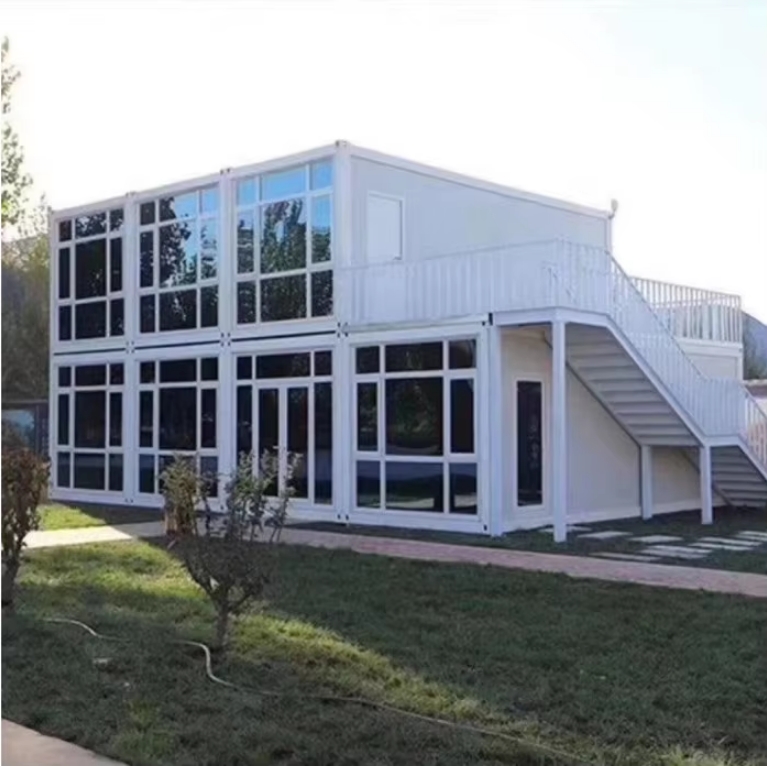
Flexibility and Adaptability: Designing for Your Life
The modular nature of container homes offers unparalleled flexibility, allowing them to adapt to changing needs and lifestyles. This is perhaps one of the most exciting container house modularity advantages for homeowners.Scalable Living Spaces
Need more room? With a modular design, it's often possible to add more container units to your existing home. This scalability is fantastic for growing families or for those who want to create dedicated spaces for hobbies, home offices, or guest accommodations. You're not locked into a fixed footprint; your home can evolve with you.Customizable Layouts
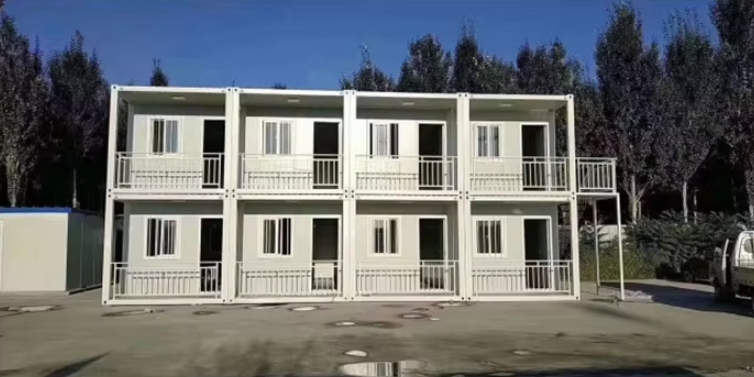
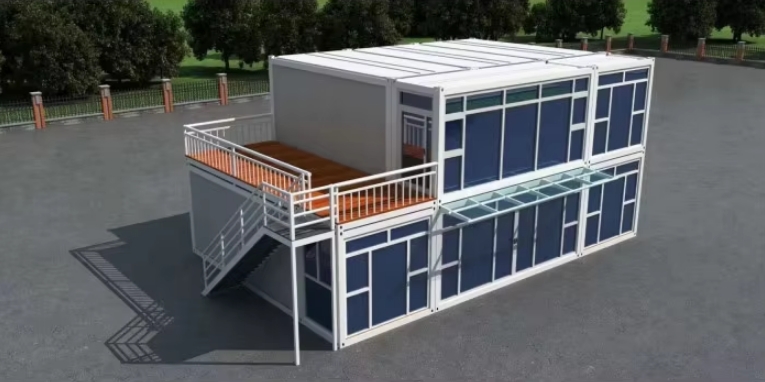
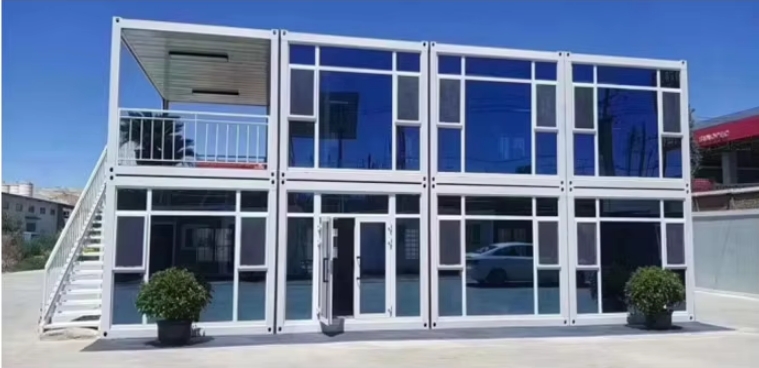
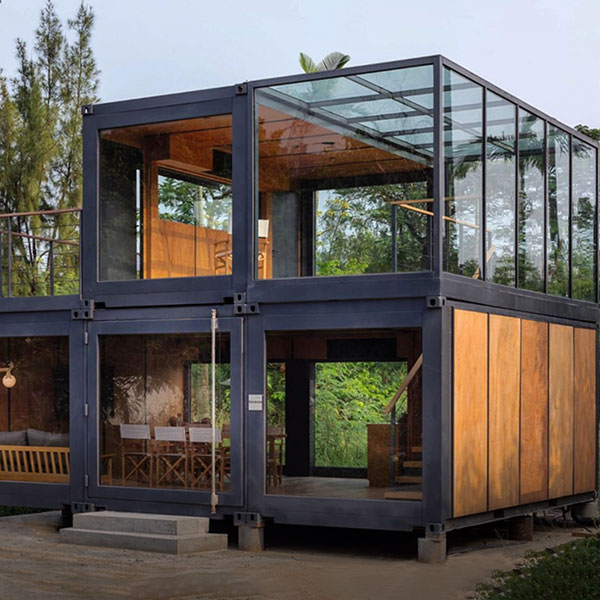
While the basic unit is a container, the possibilities for interior and exterior configurations are vast. Modules can be combined in numerous ways, stacked, or arranged to create unique architectural designs. This means you don't have to sacrifice aesthetics or functionality for the benefits of modularity. You can achieve a truly bespoke home.Relocatability
For certain applications, such as temporary housing, construction site offices, or even vacation homes, the ability to relocate a modular container home is a significant advantage. Because they are built as self-contained units, they can be disassembled and moved to a new location with relative ease. This offers a level of mobility that traditional homes simply cannot match.Sustainability at its Core
The environmental benefits of modular container homes are substantial, making them an attractive option for eco-conscious individuals.Repurposing Existing Materials
The primary building blocks of these homes are used shipping containers. These containers have often completed their service life in international trade and would otherwise be discarded or recycled inefficiently. Giving them a new life as a home is a brilliant example of upcycling and reduces the demand for new raw materials. This is a key differentiator when considering the container house modularity advantages from an environmental perspective.Energy Efficiency
When designed and insulated properly, modular container homes can be incredibly energy-efficient. The factory setting allows for meticulous sealing and insulation installation, minimizing heat loss or gain. Many modular designs also incorporate features like passive solar design, green roofs, and rainwater harvesting systems, further enhancing their sustainability.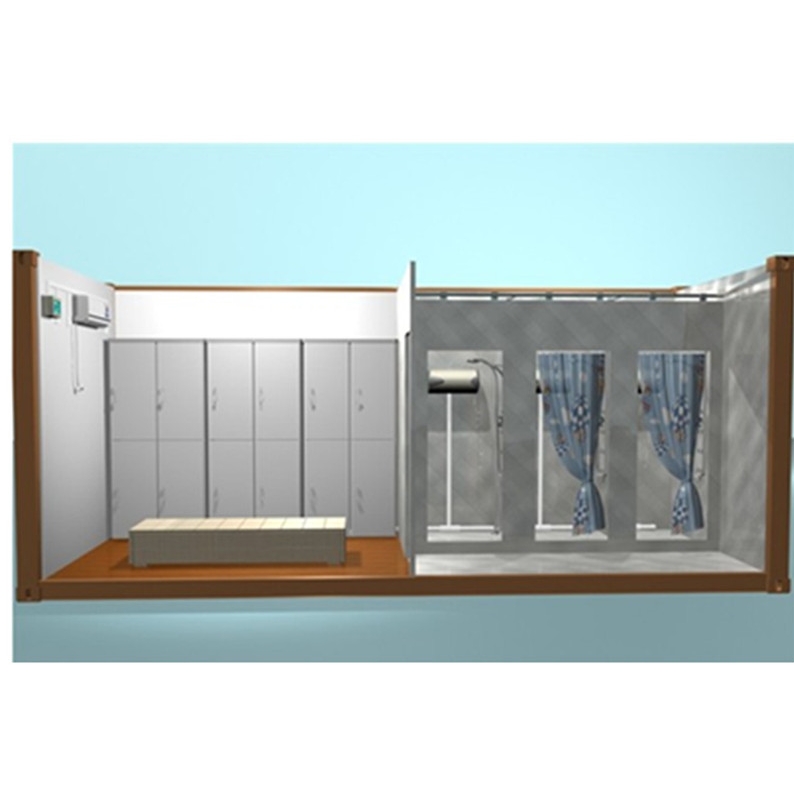
Reduced Site Disruption
The majority of the construction happens off-site, meaning less noise, dust, and traffic disruption at the final building location. This minimizes the impact on the local environment and community during the construction phase.Durability and Resilience
Shipping containers are built to withstand the harsh conditions of ocean travel, including extreme weather, salt spray, and heavy loads. This inherent durability translates directly to the longevity and resilience of container homes.Structural Integrity
These steel structures are incredibly strong and resistant to pests, rot, and fire. When properly reinforced and protected, they can form the backbone of a robust and long-lasting home. Many experts agree that the structural integrity of a well-built container home can rival or even surpass that of conventional homes.Weather Resistance
Their original purpose means containers are designed to endure significant environmental stresses. This makes them naturally resistant to high winds, heavy rain, and even seismic activity, provided they are properly engineered and installed.Addressing Common Concerns and the Future of Modularity
It's worth noting that some people express concerns about the aesthetics or perceived limitations of container homes. However, modern design and construction techniques have largely overcome these challenges.Beyond the Boxy Look
Today's container homes can be incredibly stylish and architecturally diverse. Designers are adept at cutting, combining, and cladding containers to create stunning, contemporary living spaces that bear little resemblance to their industrial origins.Addressing Insulation and Comfort
Proper insulation is crucial for any home, and container homes are no exception. Advanced insulation materials and techniques are readily available to ensure comfortable living temperatures year-round, effectively mitigating any concerns about the metal shell. Have you ever wondered if a modular container home could be the right fit for your next project? The container house modularity advantages are numerous and impactful, offering a compelling blend of affordability, speed, flexibility, and sustainability. As technology and design continue to advance, modular container construction is poised to play an even larger role in the future of housing. The adaptability and inherent strengths of these structures make them a truly exciting option for modern living.For more detailed information, please visit our official website:container house modularity advantages
About the author: Alex Chen is a seasoned architectural journalist with a passion for innovative and sustainable building solutions. With over a decade of experience exploring the future of housing, Alex has a keen eye for designs that blend aesthetics with practicality. Their work often highlights the transformative power of modular construction and eco-friendly building practices, making complex architectural concepts accessible to a wider audience.
Get in touch with us
Contact me
+86 13805366551
Contact with us
Contact person: Andriy Shulya
Phone: +86 13805366551
E-mail:[email protected]
WhatsApp: +8613805366551
Add: 中国-山东省-潍坊市-新型制造产业园
Copyright © 2012-2026 潍坊青驰房屋有限公司 版权所有 非商用版本
