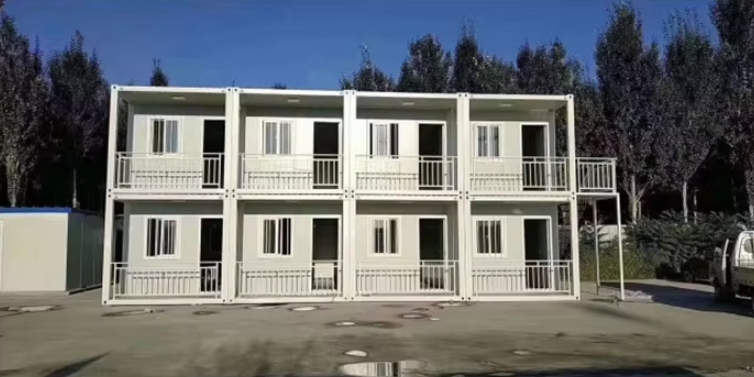
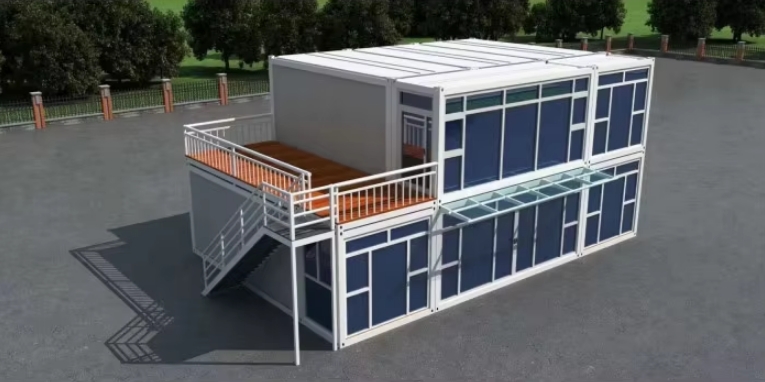
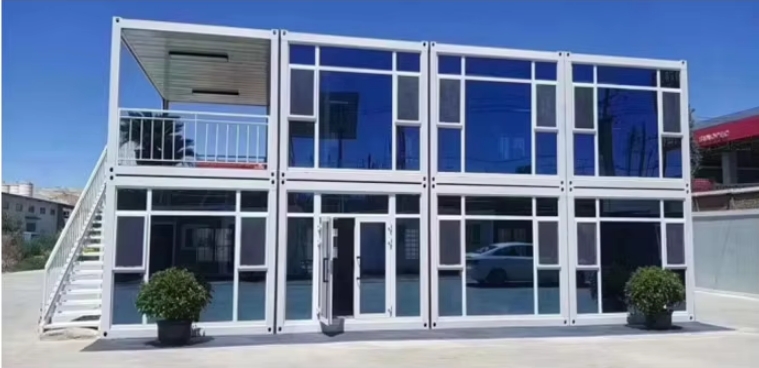
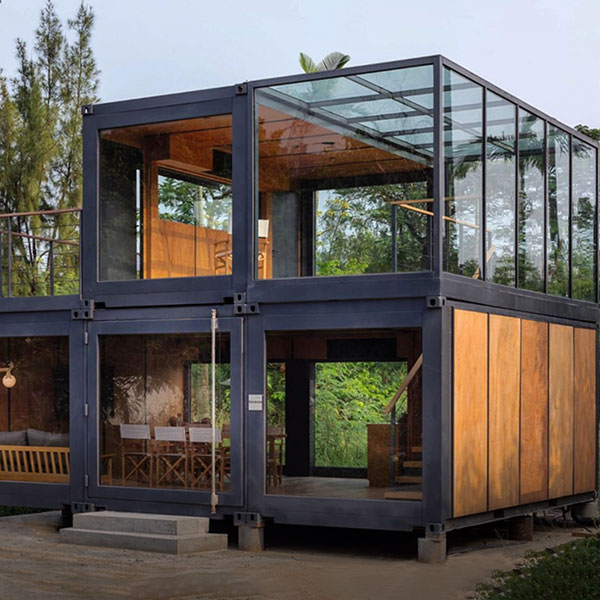
The Smart Solution: Modular Homes for Temporary Workforce Housing
In today's dynamic economic landscape, businesses across various sectors—from construction and mining to agriculture and disaster relief—often face a common challenge: housing their temporary workforce. This isn't just about providing a roof over their heads; it's about ensuring comfort, safety, and efficiency, all while managing costs and deployment timelines. Frankly speaking, traditional construction methods can be slow, expensive, and disruptive, especially for projects with a finite duration. This is where modular homes for temporary workforce housing emerge as a truly game-changing solution.
These prefabricated structures are revolutionizing how companies accommodate their essential personnel, offering a blend of speed, flexibility, and quality that's hard to beat. In my experience, the shift towards modular solutions is driven by a clear understanding that a well-housed workforce is a more productive and content workforce. Let's dive into why these innovative housing units are becoming the go-to choice for so many.
Why Modular Homes are Ideal for Workforce Housing
The core appeal of modular construction lies in its off-site fabrication process. Unlike traditional stick-built homes, modular units are constructed in a controlled factory environment. This means consistent quality, reduced waste, and significantly faster assembly times once they arrive at the site. For temporary workforce housing, this speed is paramount. Projects often have tight deadlines, and the ability to deploy comfortable, ready-to-occupy living quarters quickly can be a critical factor in project success.
Interestingly enough, the factory setting also allows for greater precision and adherence to building codes and standards. This translates into durable, safe, and comfortable living spaces for your workers, regardless of the remote or challenging location of your project. It's worth noting that the term "modular" doesn't imply a compromise on quality or aesthetics. Modern modular homes can be designed to be highly functional, aesthetically pleasing, and equipped with all the necessary amenities to make workers feel at home.
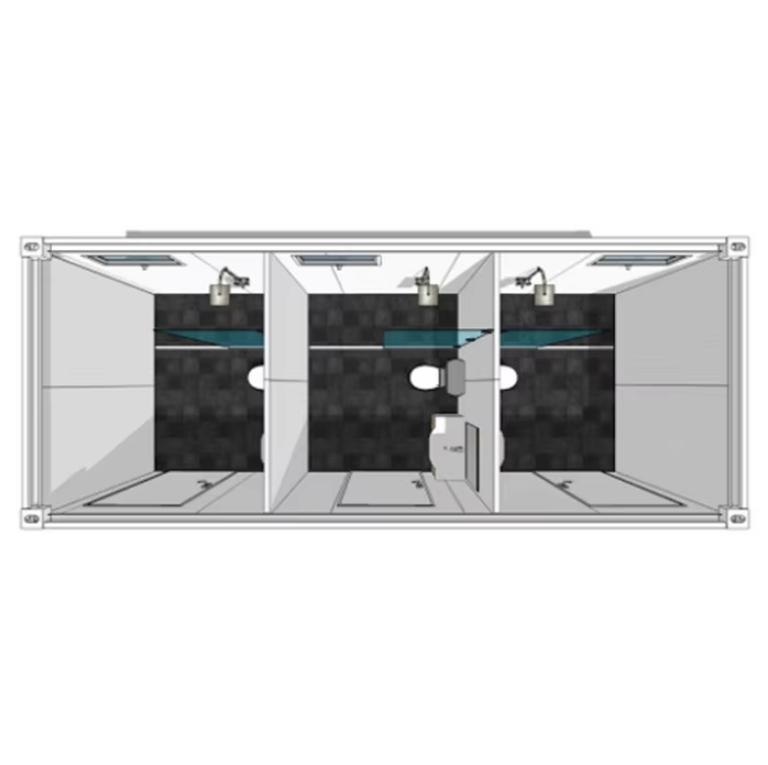
Furthermore, the inherent flexibility of modular designs is a significant advantage. Need to scale up or down based on project phases? Modular units can often be relocated, reconfigured, or expanded with relative ease. This adaptability is crucial for projects with fluctuating labor needs or those that operate in multiple locations.
Key Benefits of Modular Homes for Temporary Workforce Housing
Let's break down the specific advantages that make modular homes such a compelling choice for temporary workforce housing.
Cost-Effectiveness and Budget Control
One of the most significant drivers for adopting modular solutions is their cost-effectiveness. Because a substantial portion of the construction happens in a factory, labor costs are often lower and more predictable. Material waste is minimized, and the streamlined process reduces overall project timelines, leading to savings on labor, equipment rental, and site management. For businesses operating on tight budgets, this predictability and reduction in expenses are invaluable. It's not just about the initial purchase price; it's about the total cost of ownership, including installation and potential future relocation.
Speed of Deployment
As mentioned earlier, speed is a critical factor. Modular homes can be manufactured concurrently with site preparation. Once the modules are complete, they can be transported to the site and assembled in a matter of days or weeks, rather than months. This rapid deployment capability means your workforce can be housed and operational much sooner, accelerating project timelines and boosting productivity. Have you ever considered the impact of delayed housing on project schedules? Modular homes directly address this concern.
Quality and Durability
Contrary to some outdated perceptions, modular construction doesn't mean lower quality. In fact, factory-controlled environments often lead to superior build quality. Materials are protected from weather damage during construction, and stringent quality control measures are in place at every stage. This results in robust, durable homes that can withstand various environmental conditions, ensuring a safe and comfortable living space for your workers for the duration of the project.
Sustainability and Reduced Environmental Impact
Modern modular construction is also increasingly focused on sustainability. Factory production minimizes waste, and the controlled environment allows for more precise material usage. Many manufacturers also incorporate energy-efficient designs and materials, which can lead to lower utility costs for the occupants and a reduced carbon footprint. This aligns with growing corporate responsibility goals and can be a positive factor in employee satisfaction.
Flexibility and Scalability
The modular nature of these homes offers unparalleled flexibility. Whether you need a small cluster of units for a short-term project or a larger village for a long-term endeavor, modular solutions can be tailored to your specific needs. Units can be added, removed, or reconfigured as your project evolves. This scalability is a huge advantage, preventing over-investment in housing that might become redundant later.
Designing Functional and Comfortable Workforce Accommodations
When selecting modular homes for temporary workforce housing, functionality and comfort are paramount. It's not just about providing shelter; it's about creating an environment where workers can rest, recharge, and feel valued.
Layout and Amenities
Consider the typical needs of your workforce. This might include private bedrooms, shared common areas, functional kitchens, and clean bathroom facilities. Many modular providers offer a range of floor plans and customization options to suit different group sizes and preferences. Options like communal dining areas, recreational spaces, and laundry facilities can significantly enhance the living experience.
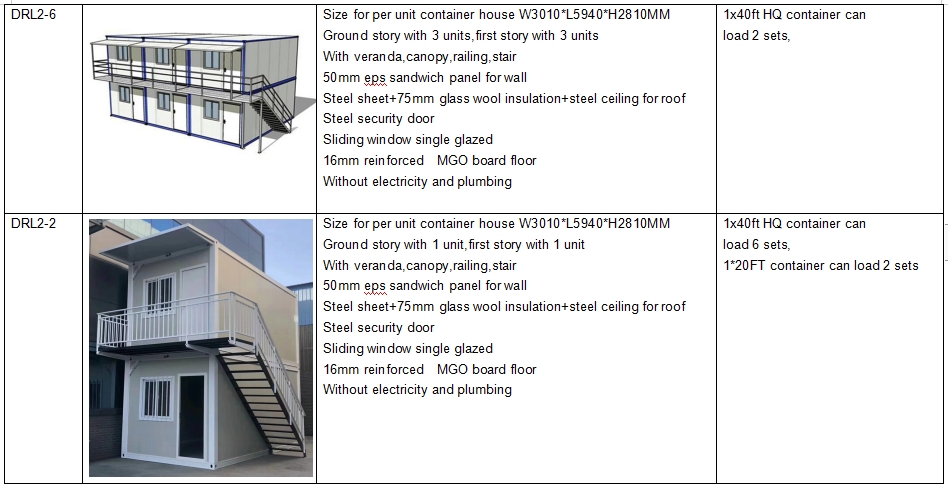
It's worth noting that even basic units can be designed with thoughtful layouts that maximize space and natural light, making them feel more inviting. Many experts agree that investing in comfortable living quarters directly impacts employee morale and retention.
Durability and Maintenance
For temporary housing, durability and ease of maintenance are crucial. Modular homes are typically built with robust materials designed to withstand frequent use and potential relocation. Low-maintenance finishes and durable fixtures can reduce ongoing operational costs and ensure the units remain in good condition throughout their lifespan.
Safety and Security
Safety is non-negotiable. Ensure that the modular homes you choose meet all relevant safety regulations and building codes. Features like secure entry points, adequate lighting, and fire safety systems are essential. Many providers offer options for enhanced security features to ensure the well-being of your workforce.
Navigating the Process: From Selection to Deployment
Choosing and deploying modular homes for temporary workforce housing involves a structured process. Understanding these steps can help ensure a smooth and successful outcome.
Needs Assessment and Planning
The first step is a thorough assessment of your specific needs. How many workers do you need to house? What are the expected durations of your projects? What are the site conditions and logistical challenges? This information will guide your choice of modular provider and the type of units required. It's also important to consider local regulations and permitting requirements.
Choosing the Right Provider
Selecting a reputable modular home manufacturer with experience in workforce housing is critical. Look for providers who offer:
- A proven track record in delivering similar projects.
- Customization options to meet your specific requirements.
- Comprehensive support, including design, manufacturing, transportation, and installation.
- Clear pricing and transparent contracts.
- Commitment to quality and safety standards.
Site Preparation and Installation
While modular construction significantly reduces on-site work, proper site preparation is still necessary. This typically involves leveling the ground, establishing utility connections (water, sewer, electricity), and ensuring clear access for delivery trucks. The installation process itself is usually swift, with modules craned into place and connected by the provider's experienced team.
Ongoing Management and Relocation
For temporary housing, consider the long-term plan. Can the units be easily relocated to your next project site? What are the costs and logistics involved? A good modular provider will offer solutions for disassembly, transportation, and reassembly, maximizing the return on your investment.
The Future of Workforce Housing is Modular
To be honest, the demand for efficient, cost-effective, and rapid housing solutions for temporary workforces is only set to grow. As industries continue to expand into new territories and project timelines become more compressed, the advantages of modular construction will become even more pronounced. The ability to provide comfortable, safe, and well-equipped living spaces quickly and affordably is no longer a luxury but a necessity for businesses looking to attract and retain talent in a competitive market.
When you consider the combined benefits of speed, cost savings, quality, sustainability, and flexibility, it's clear why modular homes for temporary workforce housing are not just a trend but a fundamental shift in how we approach worker accommodation. They offer a smart, practical, and forward-thinking solution for businesses that understand the value of investing in their most important asset: their people.
For more detailed information, please visit our official website:modular workforce housing
About the author: A seasoned expert in modular construction and sustainable building solutions, Alex Chen has spent over a decade advising companies on optimizing their infrastructure. With a deep understanding of the unique challenges of workforce housing, Alex is passionate about delivering practical, cost-effective, and high-quality modular solutions that enhance worker well-being and project efficiency.